Building Communities, Not Housing Estates
- Written by: The Times
Australia does not simply need more houses. It needs more communities.
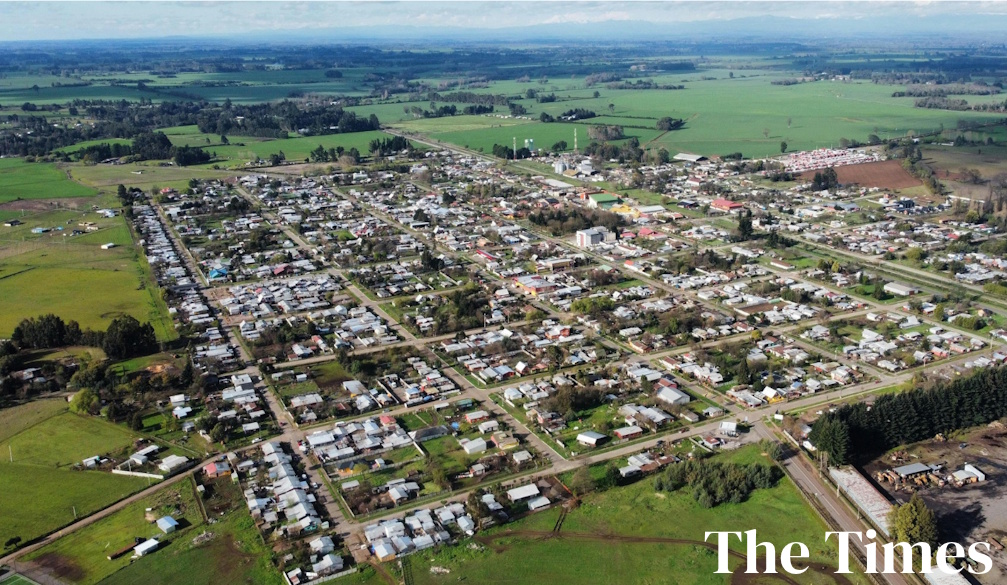
For decades, much of Australia's population growth has been accommodated by expanding the suburbs of existing cities. Thousands of new homes appear each year, yet many Australians describe a similar experience: longer commutes, crowded roads, stretched public services and neighbourhoods that can feel unfinished for years after the first residents move in.
A house is where people live.
A community is where people belong.
The difference matters.
The most successful towns and suburbs were rarely built around houses alone. They grew around schools, local businesses, sporting clubs, churches, parks, libraries, medical centres and employment. Families knew their neighbours. Children walked or cycled to school. Local cafés became meeting places, and community organisations created friendships that often lasted a lifetime.
Modern planning has become much better at delivering homes quickly. It has been less successful at delivering the sense of place that encourages people to stay for generations.
When new housing estates are built without sufficient supporting infrastructure, residents often become dependent on travelling long distances for work, shopping, entertainment and healthcare. The result is more time spent in traffic and less time spent with family and friends.
Planning a community requires asking different questions.
Where will children go to school?
Where will people work?
Where can older Australians access healthcare?
Where can young families spend a Saturday morning?
Where can local businesses establish themselves?
Where will sporting clubs, community groups and volunteers gather?
Those questions shape the character of a town every bit as much as the houses themselves.
Employment is particularly important.
Communities thrive when people can build careers close to home. Small businesses, trades, manufacturing, logistics, professional services, healthcare and education all contribute to creating local economies that support stable populations. A town that offers only housing risks becoming a dormitory suburb. A town that offers opportunity develops its own identity.
Public spaces also matter.
Tree-lined streets, attractive parks, walking paths, playgrounds and town squares are not luxuries. They are places where neighbours meet, children play and local events bring people together. Good public spaces help transform streets into neighbourhoods.
Technology has changed the equation as well.
High-speed internet and remote working now allow many Australians to live further from traditional city centres without giving up professional careers. Businesses can operate nationally from regional Australia, provided reliable communications and transport are available. That creates opportunities that simply did not exist a generation ago.
Private enterprise also has an important role.
Developers are highly skilled at delivering housing, but many are increasingly recognising that long-term value comes from creating desirable places rather than simply selling lots. Homes in well-planned communities often retain their appeal because buyers are investing in a lifestyle as much as a property.
Governments, meanwhile, have responsibilities that cannot be outsourced. Roads, schools, hospitals, policing, public transport and environmental protection remain essential public investments. Success comes when public and private sectors work towards the same long-term vision.
Australia's population will continue to grow.
The challenge is not simply accommodating that growth but shaping it wisely.
Future generations may judge today's planners not by the number of houses they approved, but by the quality of the communities they created.
The strongest communities are not built by accident.
They are planned with patience, supported by investment and strengthened by the people who choose to call them home.