First Home Buyers in Melbourne: 3 Key Statistics Proving Why Home & Land Packages Are Your Best Bet in 2025
- Written by: The Times
Stepping into the Melbourne property market for the first time can feel like navigating a maze without a map. Prices, deposits, and decisions stack up fast. But here’s the good news: home and land packages are helping first home buyers get ahead in 2025. They offer clarity, affordability, and better financing options. If you're planning to buy this year, these three facts explain why this path makes sense.
-
First Home Buyer Activity Is Rising Across Melbourne
The latest housing data shows more first home buyers are entering the market. Why? Because house prices are settling. Investor activity has slowed down. This shift leaves less competition and creates better chances for first-time buyers to step in confidently.
In suburbs like Clyde, Melton, and Werribee, property prices are holding steady or falling slightly. This opens a window for first-timers who couldn’t compete before. According to CoreLogic, first home buyers now account for more than 35% of owner-occupier loans in Victoria.
With fewer investors, developers are offering better deals. Many include site costs, fencing, and driveways to help buyers avoid surprise expenses. That’s why home and land packages are proving attractive. They offer a full-picture price with less uncertainty.
For a first-time buyer, knowing the total cost upfront makes budgeting easier. There are no hidden renovation costs or maintenance issues. It's a fresh start, inside and out.
-
Deposits Remain a Challenge, But LMI and Grants Are Helping
Saving enough for a deposit is often the steepest hill first-time buyers have to climb. A 20% deposit on a $600,000 home means saving $120,000—plus costs like stamp duty and legal fees. That’s hard, even with dual incomes.
Here’s the silver lining: more buyers are using government schemes and Lenders Mortgage Insurance (LMI) to get in faster. Programs like the First Home Guarantee let you buy with just 5% down and no LMI cost. The catch? You usually need to buy a new build or package.
These government schemes usually apply to new builds, making home and land packages a strong match. They meet the criteria for price caps and new build requirements. That gives first home buyers a smoother path into ownership.
Also, new homes under $750,000 in Victoria may be eligible for the $10,000 First Home Owner Grant. That goes directly toward your build contract or settlement.
In short:
- You need a smaller deposit.
- You may skip LMI entirely.
- Government grants can help trim down how much you need to borrow, taking some pressure off your loan..
All these factors ease the stress of saving and reduce the time it takes to own a home.
-
Home & Land Packages Offer Cost Clarity and Builder Guarantees
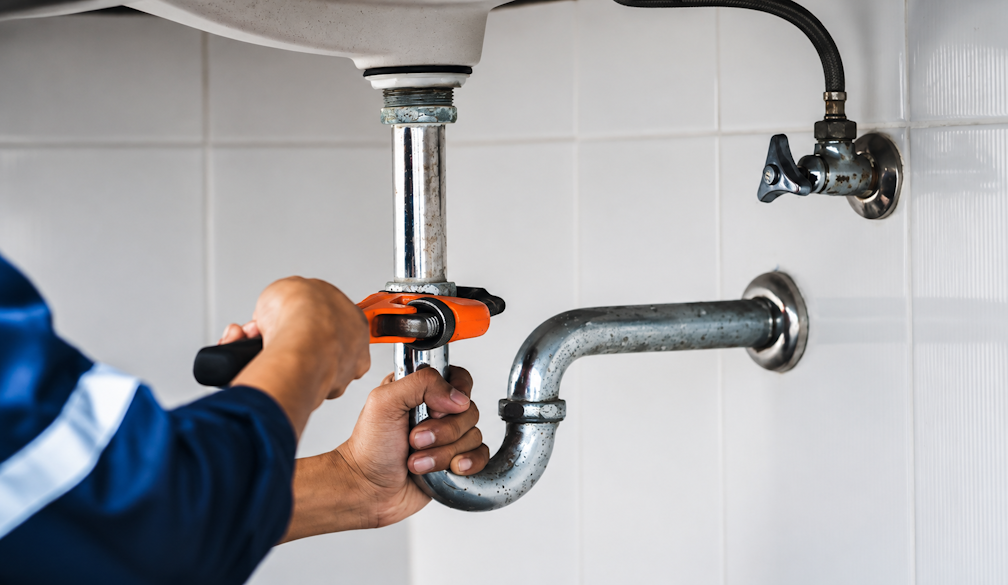
When buying an older home, hidden problems can show up fast. You may face repairs, upgrades, or surprise plumbing bills. These costs hurt first home buyers most because they leave no buffer.
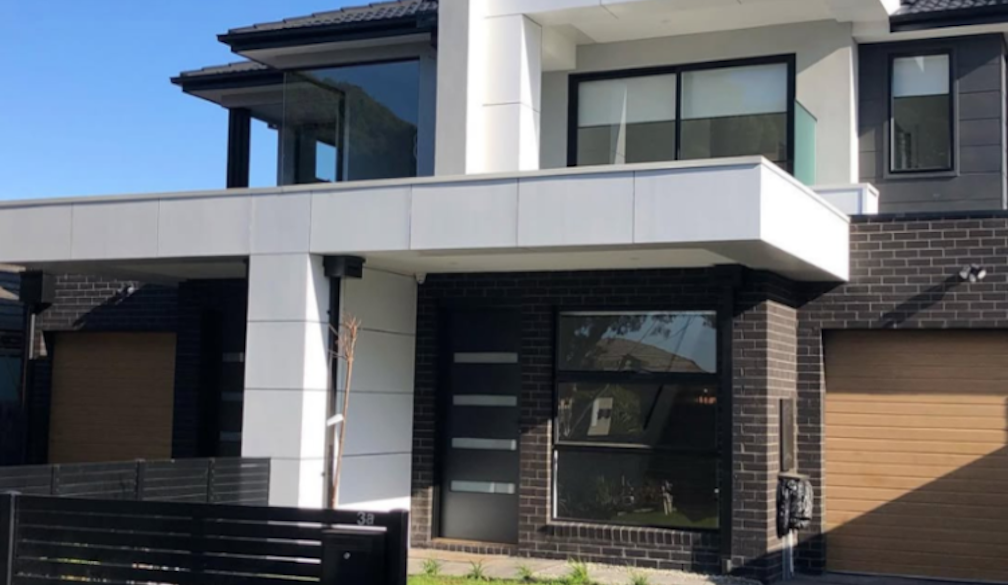
Home and land packages avoid that. You get a clear contract with fixed costs. That means fewer surprises. Everything is new, under warranty, and energy-efficient. You start with a clean slate.
In 2025, over 40% of first home buyers in Victoria are choosing new builds. Most of these are part of home and land packages.
Here’s why:
- The price is fixed. Builders often include site works, landscaping, and basic fencing.
- Stamp duty is lower because it’s calculated on land value only.
- Energy ratings are higher, cutting down utility bills from day one.
- You get to pick the layout, colours, and finishes that suit your taste.
Instead of adapting to an old space, you get a home built for your life.
Victoria’s First Home Buyer Incentives Add More Value
Buying your first home in Melbourne also comes with government support. In 2025, the following programs are helping more people get across the line:
- Eligible buyers can receive a $10,000 grant when purchasing a newly built home priced below $750,000 in Victoria.
- Stamp Duty Exemption: Full waiver for homes under $600,000; discount up to $750,000
- First Home Guarantee Scheme: Buy with 5% deposit, no LMI if eligible
These benefits are easiest to access when you build a new home. That’s why home and land packages are the smarter choice. They tick all the boxes for grant eligibility and unlock thousands in savings.
Many builders also have partnerships with lenders who understand first home buyer finance. This makes approval faster and less stressful
What to Look For in a Home and Land Package
Not all packages are the same. As a first-time buyer, you need clarity, value, and a builder you can trust. Look out for:
- Fixed Price Contracts: These reduce surprises and make loan approval easier.
- Always ask what’s included—like the driveway, kitchen appliances, floor coverings, fencing, or even a bit of landscaping.
- Location: Is the estate near transport, shops, and schools? Growth corridors often offer the best value.
- Build Timeline: Know when you can expect handover. Delays are common, but good builders stick close to schedule.
Walking through a display home lets you see the layout, finishes, and build quality up close—no guessing needed. Have an open chat with the builder’s team to understand what’s part of the deal and where you can tweak things to suit your budget.
Is a Home & Land Package Right for You?
Here are the 3 biggest reasons home and land packages make sense in 2025:
- Affordability is improving due to price changes and reduced investor activity.
- Lower deposits and grants make ownership more achievable.
- Fixed prices and new builds mean fewer surprises and long-term savings.
If you’re buying your first home, a package gives you structure. It clears up confusion and gives you more confidence in each decision. From budget to build, every step is clearer.
Final Thoughts
Melbourne’s property market is shifting. First home buyers now have more power and more support. Going with a home and land package in Melbourne is often the easiest way for first-time buyers to step into a place they can truly call their own. They’re not just affordable—they’re designed to help you succeed.
Whether you’re tired of renting or ready to build a future, this might be your year.
If you’re not sure where to start, speak to a local builder who understands the process. Ask about available grants, timelines, and what’s included. With the right support, you’ll be holding the keys to your first home sooner than you think.