How to Boost Your Property’s Value Before Selling Simple Changes, Big Rewards
- Written by: The Times
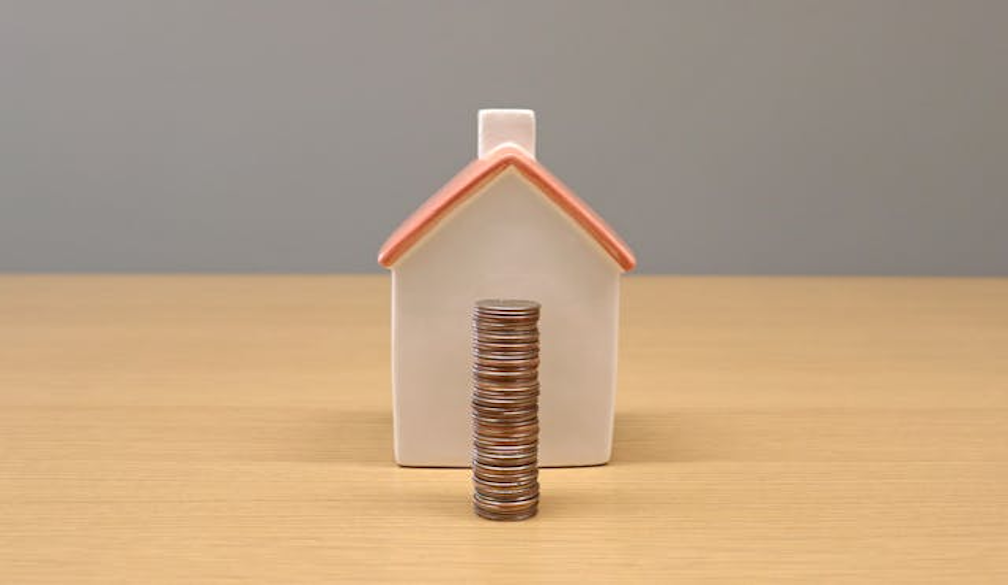
Have you ever wondered how a few smart upgrades could dramatically boost your home’s selling price? You’re not alone — and the truth is, you don’t need a full-blown renovation to make a real impact. From thoughtful curb appeal tweaks to simple interior upgrades, small improvements can create big returns. The secret lies in knowing what today’s buyers value most — and how to showcase it without overspending. Whether you’re selling next month or next year, now is the perfect time to take action and set your property up for success.
1. First Impressions Start Outside
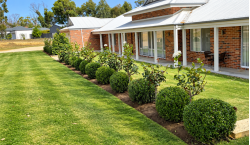
When buyers arrive for a viewing, the outside of your home speaks volumes before they even walk through the door. A fresh coat of paint on the front door, neatly trimmed hedges, a tidy pathway, and vibrant flowers in pots or beds can instantly lift the mood and create a welcoming atmosphere.
If your exterior feels dull or dated, don’t underestimate the power of pressure-washing the driveway, cleaning the gutters, or replacing outdated house numbers. These minor investments can make your home look newer, cleaner, and well-maintained — all big selling points. If you're putting a high-rise property on the market, the home's exterior is still vital, high-rise window cleaning services and exterior maintenance are key to giving your property aesthetic appeal before being put on the market.
2. Declutter and Depersonalise
It’s tempting to think buyers want to see a home full of personality, but in reality, they want to imagine their own lives unfolding in the space. Removing excess furniture, clearing countertops, and packing away personal items (like family photos, souvenirs, or loud décor) helps create a blank canvas that appeals to more people.
Light and space are your best friends here. Keep window coverings minimal, maximise natural light, and consider adding mirrors to open up smaller rooms.
3. Paint: The Easiest Value-Booster
A fresh coat of neutral paint is one of the most affordable yet effective ways to refresh your home. It makes rooms look cleaner, brighter, and more modern, while also giving buyers less to think about in terms of immediate changes. Shades like soft white, warm beige, or pale grey tend to be crowd-pleasers and give a sense of calm and versatility. Most people assume that painting services are limited to your interior, but no, rope access painters can add value to your property by painting the exterior of your high-rise home.
If your kitchen cabinets or built-ins look worn, even painting those can breathe new life into the room without the cost of replacement.
4. Kitchen and Bathroom Updates
While full renovations can be costly, minor upgrades in kitchens and bathrooms offer a high return on investment. Replacing old faucets, updating cabinet handles, or re-grouting tiles can modernise the space on a small budget.
Adding soft-close drawers, a modern backsplash, or stylish pendant lighting in the kitchen also adds a premium feel. In bathrooms, simple touches like a new mirror, updated lighting, or fresh towels and soap dispensers make a surprisingly big difference.
5. Work with the Right Professionals
At a certain point in your preparation, you’ll want expert advice. That’s where connecting with knowledgeable professionals, such as experienced real estate agents in Perth Australia, can make a real difference. These experts understand what buyers in your area are looking for and can help you focus on the improvements that matter most. From staging tips to pricing strategy and marketing, the right agent will be your strategic partner every step of the way.
6. Flooring Matters
Floors take up a huge visual portion of the home, so don’t ignore them. If you have carpet that’s stained or outdated, consider professional cleaning or replacing it entirely in key areas like living rooms or bedrooms.
Hardwood or high-quality laminate is increasingly popular and adds long-term value. Even vinyl plank flooring is now available in stylish, affordable options that mimic wood or tile. Remember, flooring improvements can tie the whole aesthetic together and appeal to buyers looking for a move-in-ready space.
7. Don’t Overlook the Little Fixes
Loose handles, squeaky doors, broken tiles, chipped paint — they all add up. While they may seem small, these imperfections can give buyers the impression that the home hasn’t been well cared for. Doing a full walk-through and tackling every minor repair possible signals to buyers that your home is turnkey-ready.
8. Stage Like a Pro
You don’t need to hire an expensive staging company to make your home shine. Simple strategies — like arranging furniture to improve flow, adding cozy textiles, and using greenery or fresh flowers — can give your space a polished and inviting look.
If you have unused rooms, give them a purpose. A spare bedroom can become a charming guest room or a productive home office with just a few tweaks.