Top Tips for Finding the Ideal Block to Build Your Home
- Written by: The Times

There’s something deeply personal and exciting about building your own home. You’re not just choosing paint colours or furniture, you’re creating a space that reflects your lifestyle, your dreams, and your future. However, before you start sketching layouts or shopping for kitchen tiles, there’s a very important step that often gets overlooked - choosing the right block of land. If you're serious about building your ideal home, here are the top tips you need to keep in mind when hunting for the perfect patch of earth.
Understand the slope
Flat blocks might look boring, but they’re often the most cost-effective when it comes to building. This is because building on a slope usually means extra foundation work, retaining walls, drainage considerations, and a good chance your build cost will rise faster than you expected. Hence, a sloped block isn’t a dealbreaker. In fact, it can offer beautiful views and creative design opportunities. Just make sure you’ve budgeted for the extra engineering and construction work and always consult with your builder or architect before you fall in love with a hilly plot.
Choose the right location
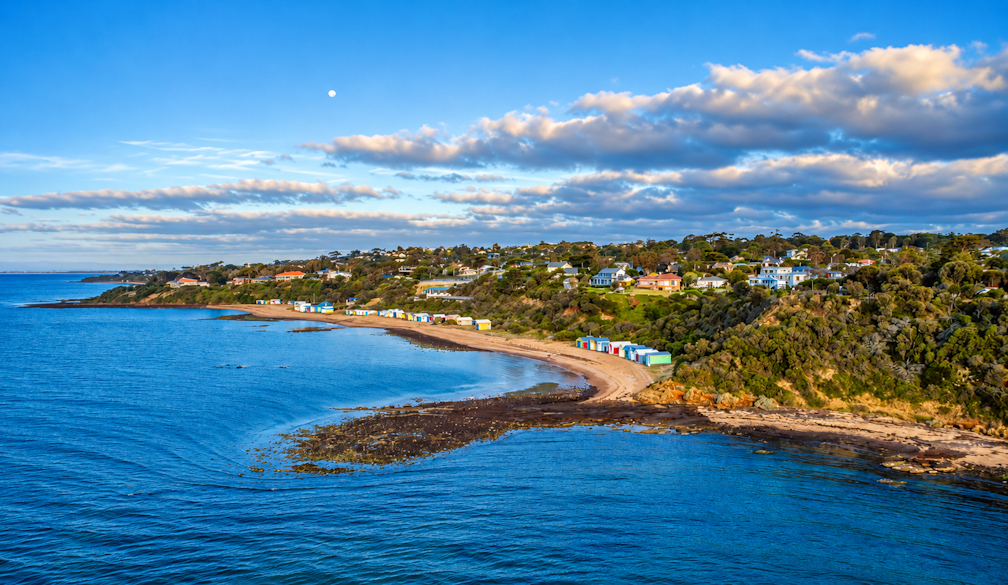
Everyone wants a great location that is close to schools, shops, transport, and maybe even a decent café for your weekend latte fix. But location isn’t just about what’s nearby. It’s also about the vibe of the neighbourhood. There are numerous outstanding suburbs in Australia that may tick the box for you, but you have to walk the streets and visit at different times of the day to see what fits. Check how noisy it is in the evening, whether there is a lot of through traffic, etc. And if you do find vacant land for sale in Byford, for example, know that you’re not just buying a piece of land, you’re choosing your everyday environment.
Size and shape matter
A massive block sounds appealing, but if it’s narrow or awkwardly shaped, it can really restrict what and how you build. Check the frontage (the width at the front), depth, and whether the block has any strange angles or unusable corners. Think about your dream home layout. Do you want a big backyard? A wide driveway? Room for a pool or a granny flat down the track? The block should complement your goals, not limit them.
Check for easements and covenants
Unfortunately, this is one of those less glamorous parts of buying land, but it’s crucial. Easements are parts of your land that others (like utility companies) have legal access to. Covenants are restrictions placed on the land by the developer or council, like limiting the type of home you can build or requiring specific building materials or fencing. Before signing anything, ask for a copy of the title and have a solicitor go over it carefully. Hidden restrictions can seriously throw a wrench in your design plans.
Orientation is the key
You’d be surprised how much of a difference orientation makes. A north-facing block generally means your home can soak up natural light in living areas all day long which can be great for comfort and even better for energy efficiency. Pay attention to where the sun rises and sets. Make sure to think ahead because how your home sits on your block affects everything from heating costs to garden planning.
Think about services and access
Check what services are already connected to the block. Is there sewer, water, electricity, and NBN? If not, check whether there would be any cost of getting them there. Don't forget about access, and see if delivery trucks and trades can easily get in and out during construction. Blocks in newly developed estates often come ready with services, but rural or older blocks might require a lot more legwork. These practicalities might not be the most thrilling part of home planning, but they can save you thousands and a whole lot of stress.
Talk to locals
If you’ve got your eye on a particular area, take a little time to talk to the people already living there. Locals are a goldmine of real-world insight. From traffic problems and storm drainage issues to which parts of the neighbourhood have better internet coverage or rowdier weekend crowds, they may know it all. Plus, it gives you a better feel for the community you’ll potentially be joining. You’re not just investing in land, you’re planting roots.
Think long-term
Lastly, buying a block of land is exciting, no doubt. But it’s also a decision that will impact your lifestyle, finances, and future. Take your time, do your research, and don’t be afraid to ask questions.