Housing construction costs are already rising, increasing risks of builders going bust
- Written by: Lyndall Bryant, Senior lecturer, QUT Centre for Justice, School of Econmics and Finance, Queensland University of Technology
For Australia’s building industry, higher fuel costs since the start of the Middle East war have been just the start of the pain.
Countless construction products are made with petroleum-based products. From bitumen[1] for our roads to plastic pipes[2], prices are rising, with some supplies already facing delays.
This shock hits an industry still recovering from COVID, while also trying to meet surging demand for new homes and major infrastructure across Australia.
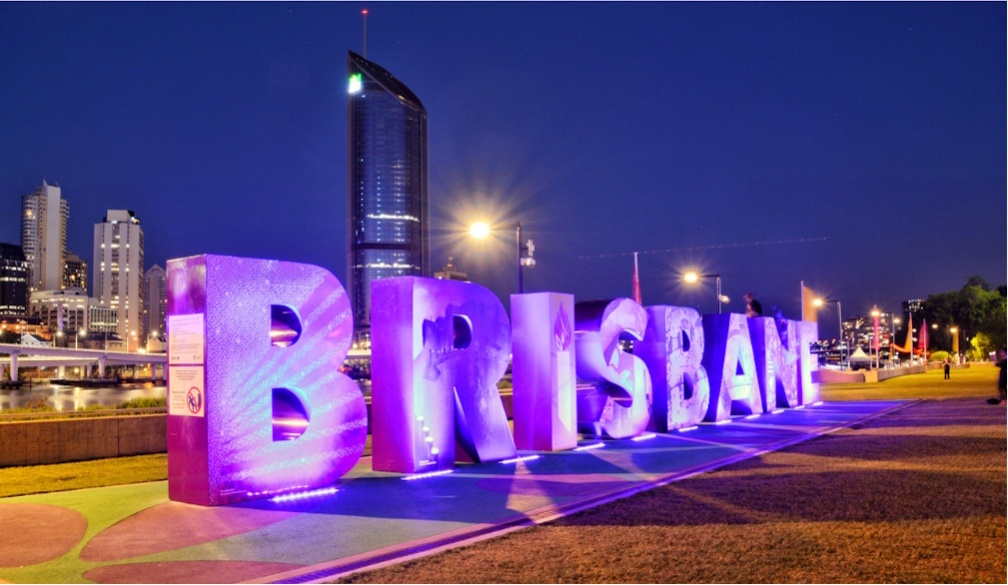
Even before the war, there was fierce competition for tradespeople[3] and materials from big infrastructure projects across Australia. These include the A$3.6 billion Brisbane Olympics stadium[4], Queensland’s $9 billion Bruce Highway upgrade[5] and Victoria’s $8 billion Big Build[6] for new housing. Meanwhile, governments across Australia have fallen behind[7] on a national target to build 1.2 million new homes by mid-2029[8]
Whether you’re in the market for a new home, or you’re a builder, here’s how the Middle East war could impact your project – and its cost.
Price rises and tighter supplies
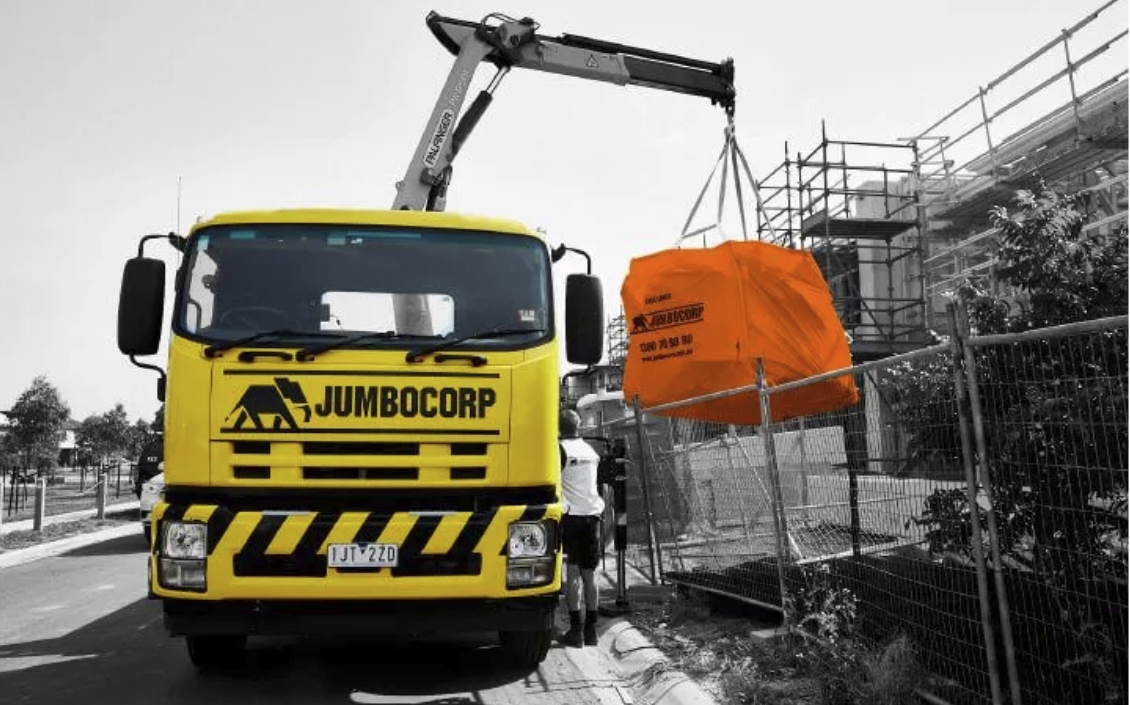
Builders need diesel to run heavy machinery and deliver materials to site. Diesel prices have been rising even faster than petrol[9] since the war disrupted global supply routes.
Other price rises affecting building products announced since the Middle East war began include:
Most of Australia’s bitumen for sealing roads – from new subdivisions to highways – is imported from Asia and made from crude oil products from the Middle East.
Last month, industry body the Australian Flexible Pavements Association warned road authorities[10] “bitumen prices are anticipated to rise by more than 50% […] and there is a real risk of stock depletion and stock outs in the near term”.
Last week, the Urban Development Institute of Australia’s Queensland branch shared a members-only alert[11] about “new and rapidly escalating challenges with materials shortages”. This includes longer delays for concrete pipes, needed to connect water to new housing estates.
Now, with plastic pipes also becoming more expensive[12] and harder to source because of the global oil crisis, the institute says:
Industry is now experiencing shortages in concrete pipes and [plastic] pipes with no viable alternatives. This is severely compromising the industry’s ability to provide housing at the rate needed to address the current housing crisis.
The result is price escalation at every stage of the supply chain, including for Australian-made products.
History offers little comfort: house construction prices soared more than 40% between 2020 and 2024[13]. While price increases have slowed since, prices remain elevated from pre-COVID levels.
Read more: Australia has plenty of diesel for now. But running out could upend our economy[14]
Building is already a higher-risk business
Current conditions echo the COVID period, when sudden and unpredictable cost spikes put intense pressure on construction businesses’ viability.
Home builders working under fixed price contracts can only absorb so much cost pressure before they go bust.
Even before this Middle East war, construction already had more insolvencies[15] than any other industry – more than doubling since COVID.
Despite huge demand for new housing, the 2024-25 financial year saw a record 3,490 construction firms enter insolvency[16] – meaning they couldn’t pay their debts as they fell due.
When builders collapse, the contagion spreads quickly: tradies lose jobs, subcontractors go under, projects stall and consumers face financial and emotional devastation.
For the tradies and subcontractors caught in the middle, the fallout can be overwhelming. Male construction workers are nearly twice as likely[17] to take their own lives as other employed Australian men of the same age.
Small builders face the toughest conditions
Our 2025 report[18] looked into the root causes behind the high rate of builders going bust.
We found that as of 2024, two-thirds (63%) of building company collapses were concentrated among small builders with fewer than five full-time employees. Typically, they’re operating on thin margins, with unsecured debt and limited financial buffers. These conditions leave even experienced directors vulnerable when supply chains are disrupted and costs surge.
But large builders aren’t exempt. During COVID, large home builder Porter Davis collapsed[19], leaving 1,700 homes unfinished in Victoria and Queensland. Even Australia’s largest home builder, Metricon, teetered on the brink before recovering[20].
If this oil crisis lingers, more builders are likely to go bust, slowing down housing supply.
Looking ahead
To support the industry, Queensland[21] and New South Wales[22] have both announced a 12-month deferral to the adoption of the National Construction Code 2025, due to start on May 1 this year. At a difficult time, this gives builders more time to adjust to pending changes. It’s unclear if other states will follow.
Longer term, our research[23] recommended a number of reforms, from setting up low-cost independent resolution services to help builders avoid financial disputes with banks or customers, through to strengthening business training for tradies.
For builders, the priority is to be proactive. Spend time identifying high risk areas, looking for lower risk work and keeping financial records current to avoid trading when insolvent[24].
Stay in close contact with clients, subcontractors, suppliers and – if necessary – your bank about short-term overdraft support. Don’t wait until it’s too late to seek help[25].
For home buyers, open communication with your builder is essential.
If legitimate cost pressures arise under a fixed price contract, negotiating a fair adjustment may be the best outcome. Working with your builder to negotiate a mutually beneficial solution might cost you more. But that may still be preferable to a builder gone broke and a half-built home.
References
- ^ bitumen (afpa.asn.au)
- ^ plastic pipes (www.reece.com.au)
- ^ fierce competition for tradespeople (www.insidethegames.biz)
- ^ A$3.6 billion Brisbane Olympics stadium (www.abc.net.au)
- ^ $9 billion Bruce Highway upgrade (statements.qld.gov.au)
- ^ $8 billion Big Build (www.homes.vic.gov.au)
- ^ have fallen behind (nhsac.gov.au)
- ^ 1.2 million new homes by mid-2029 (budget.gov.au)
- ^ rising even faster than petrol (www.accc.gov.au)
- ^ warned road authorities (afpa.asn.au)
- ^ a members-only alert (udiaqld.com.au)
- ^ becoming more expensive (www.afr.com)
- ^ soared more than 40% between 2020 and 2024 (www.abs.gov.au)
- ^ Australia has plenty of diesel for now. But running out could upend our economy (theconversation.com)
- ^ more insolvencies (building4pointzero.org)
- ^ insolvency (business.gov.au)
- ^ nearly twice as likely (theconversation.com)
- ^ Our 2025 report (building4pointzero.org)
- ^ Porter Davis collapsed (www.abc.net.au)
- ^ before recovering (www.news.com.au)
- ^ Queensland (www.qbcc.qld.gov.au)
- ^ New South Wales (www.nsw.gov.au)
- ^ our research (building4pointzero.org)
- ^ when insolvent (business.gov.au)
- ^ to seek help (mates.org.au)