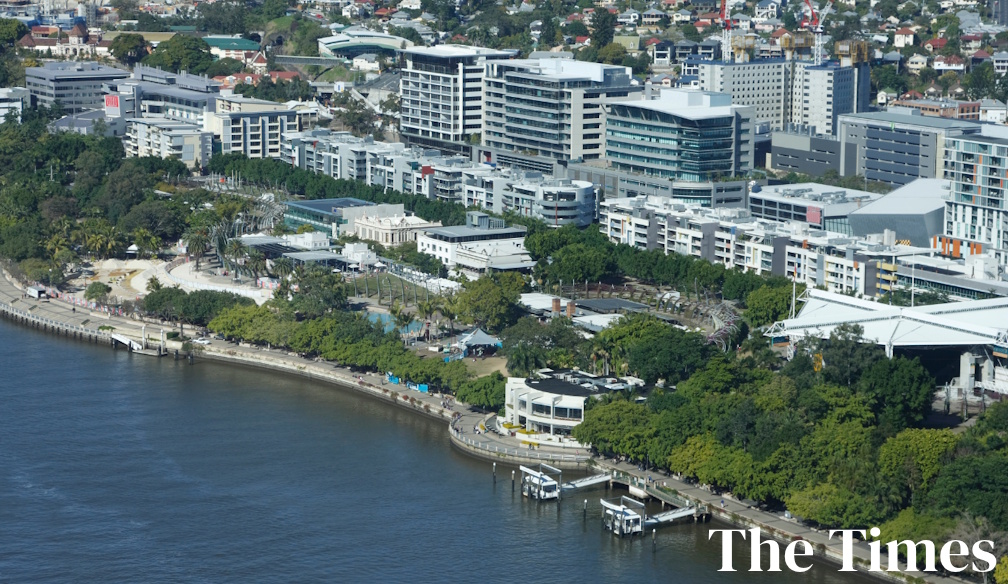
The Times Launches Dedicated Property Advertising Platform
- Written by: Times Media

In a significant expansion of its digital media offering, The Times has formally launched TimesAdvertising.com.au—a dedicated platform designed to connect property owners, agents, and developers with one of Australia’s fastest-growing online news audiences.
The move signals a clear shift in how property is marketed in Australia, with The Times positioning itself not just as a news outlet, but as a high-impact advertising channel for residential, rental, commercial, luxury, and regional property campaigns.
A New Channel for Property Exposure
For years, property advertising in Australia has been dominated by large listing portals. While effective, these platforms come with limitations:
-
High competition between listings
-
Rising costs for visibility upgrades
-
Audience saturation and diminishing attention
TimesAdvertising.com.au has been developed to address these challenges by offering:
An alternative—and complementary—channel that expands reach beyond traditional property platforms
By leveraging the daily readership of TheTimes.com.au, the platform provides property advertisers with access to:
-
Tens of thousands of engaged readers
-
A national audience spanning metro and regional Australia
-
Professionals, investors, and lifestyle-driven buyers
Property Advertising That Goes Beyond Listings
The core philosophy behind TimesAdvertising.com.au is simple:
Property marketing should not be confined to search platforms—it should be integrated into broader media consumption.
Through The Times network, properties are presented within:
-
News articles
-
Business and economic coverage
-
Lifestyle and regional features
This creates an environment where listings are:
-
Seen repeatedly
-
Positioned within context
-
Exposed to audiences not actively searching—but ready to act
A Full Suite of Property Advertising Services
TimesAdvertising.com.au offers a comprehensive range of services tailored to different segments of the property market.
Residential Property for Sale
Designed to maximise exposure for vendors and agents, residential listings benefit from:
-
Placement within The Times Property for Sale section
-
Integration with editorial content
-
Access to both active and passive buyers
Property for Rent
For landlords and property managers, the platform delivers:
-
Rapid exposure to a broad tenant audience
-
Access to professionals and established renters
-
Increased visibility to reduce vacancy periods
Commercial Property
Commercial listings are positioned in front of:
-
Business owners
-
Investors
-
Corporate decision-makers
This enables more targeted engagement and higher-quality enquiries.
Luxury Property
High-end properties require premium positioning.
TimesAdvertising.com.au offers:
-
Exposure to affluent readers
-
Placement within a credible, business-focused environment
-
A platform that supports premium pricing strategies
Regional Property
Regional listings benefit from:
-
National exposure
-
Access to metropolitan buyers considering relocation
-
Increased enquiry from lifestyle-driven audiences
Multiple Advertising Formats
The platform goes beyond simple listings, offering a layered marketing approach:
Sponsored Property Articles
-
Long-form, professionally written features
-
Story-driven presentation of properties
-
SEO-optimised for ongoing visibility
Banner Advertising
-
High-visibility placements across The Times network
-
Options for homepage and in-article positioning
-
Designed to drive traffic and awareness
In-Content Placement
-
Properties integrated within relevant editorial content
-
Natural exposure aligned with reader interests
Brand Mentions and Campaign Integration
-
Strategic inclusion within broader articles
-
Alignment with economic, lifestyle, or regional narratives
Why This Matters for the Property Industry
The launch of TimesAdvertising.com.au reflects a broader trend:
Attention is shifting from platforms to media ecosystems.
Buyers, renters, and investors are no longer confined to property portals. They are:
-
Reading news daily
-
Engaging with economic and lifestyle content
-
Making decisions based on broader context
By placing property within this environment, The Times enables advertisers to:
-
Reach audiences earlier in the decision cycle
-
Build awareness and familiarity
-
Generate stronger, more qualified enquiries
A Strategic Advantage for Agents and Vendors
For real estate professionals, the platform offers clear benefits:
Differentiation
Agents can present a more comprehensive marketing strategy to clients.
Expanded Reach
Listings are no longer limited to portal traffic.
Stronger Outcomes
More exposure leads to:
-
Increased enquiry
-
Greater competition
-
Improved sale and leasing results
Designed for a Changing Market
As the Australian property landscape evolves, so too must the way properties are marketed.
TimesAdvertising.com.au has been built with this in mind:
-
Flexible packages to suit different campaigns
-
Scalable solutions for individual listings or portfolios
-
Integration across The Times digital network
The Opportunity
For property owners, developers, and agents, the opportunity is straightforward:
Tap into a large, engaged audience and present property in a more powerful, contextual way.
In a market where visibility drives results, expanding beyond traditional channels is no longer optional—it is essential.
Conclusion
The launch of TimesAdvertising.com.au marks a new chapter for property advertising in Australia.
By combining:
-
Strong daily readership
-
A trusted media environment
-
A suite of targeted advertising solutions
The Times is offering the property industry a compelling new way to connect with buyers, renters, and investors.
Because in today’s market, success is not just about being listed—
It’s about being seen, understood, and acted upon.
https://timesadvertising.com.au/property-advertising