An Introductory Guide to Electrical Sub Boards
- Written by: NewsServices.com
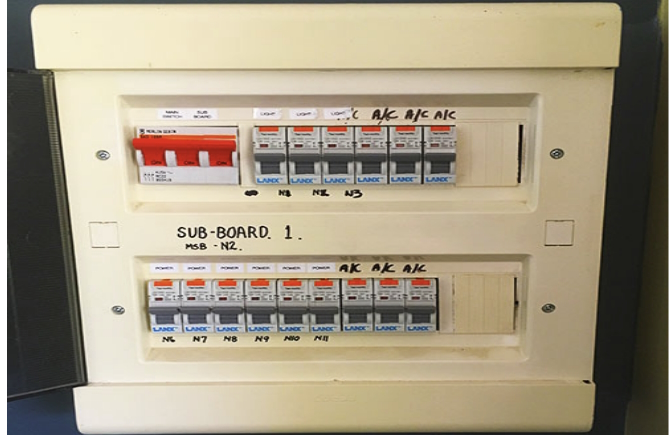
Advantages of Installing an Electrical SubBoard
Installing an electrical subboard is a great way to keep your home or business safe and properly wired. By adding a subboard to your existing wiring system, you can increase the safety and efficiency of your electrical system while also avoiding costly repairs.
Subboard electrical at Built Boards provides a safer connection between the main power supply and any additional circuits that may be needed in the future. This type of wiring allows for additional circuits to be added without having to rewire the entire building, saving time and money. Additionally, it reduces potential risks from overloaded circuits or short circuits by separating the current from each circuit into separate panels with their own dedicated breaker box. This ensures that no single circuit will have too much electricity running through it at any one time, preventing possible damage due to excess heat or fire hazards.
Another advantage of installing an electrical subboard is increased energy efficiency in your home or business. By separating each circuit out on its own panel, you can better manage how much energy is being used on each device connected to that particular circuit without overloading it with too much electricity at once. This will help conserve resources while also reducing your energy bills over time by reducing unnecessary usage throughout the day.
Types of Electrical Sub Boards
In any home or building, a proper electrical system is important for the safety and function of the space. An electrical subboard is a key component of this system, and there are several types available to meet various needs. It’s important to understand what these different sub-boards can do so you can choose the right one for your project.
A Main Switchboard is an essential element of any electrical system. This type of subboard contains all the switches, fuses and breakers necessary to control power in a large area or entire building. These boards are typically placed near the main power source such as at a meter box or generator unit, so they’re easy to access during an emergency situation where electricity needs to be shut off quickly.
A Distribution Board (DB) is another type of electric sub-board that helps distribute power within smaller areas such as individual rooms or floors of a building. DB boards contain multiple switches that connect specific circuits with their own breakers and fuses for added safety in case something goes wrong within those circuits. Distribution panels also come in many sizes depending on how much electricity they need to handle safely and efficiently throughout the premises they serve.
Factors to Consider Before Installing an Electrical SubBoard
Installing an electrical subboard can be a great way to increase the power capacity of your home or office. However, there are several factors that you should consider before doing so. This article will discuss some of these factors and provide helpful tips on how to properly install an electrical sub board.
The first factor to consider is the size of the sub-board you want to install. Depending on the current electrical load in your home or office, you may need a large panel with many circuits or just a few smaller ones. The larger panels are often more expensive, but they can also provide more power and flexibility in terms of what kind of appliances or equipment can be connected to them.
Another factor is where you plan to install the subboard. It needs to be installed near a main circuit breaker box for safety reasons and should not be located near any combustible materials such as wood furniture or carpeting. It’s also important that it has easy access for maintenance and repair purposes so make sure there’s enough space around it for these tasks when choosing its location.
In addition, you need to make sure that your existing wiring system can handle an additional load from the new panel being installed as well as any extra circuits added from appliances being connected.
Tips for Choosing the Right Electrician to Install Your SubBoard
When it comes to installing a sub-board, having the right electrician is essential. Not only will they ensure that your sub-board is installed correctly and safely, but they can also provide advice on the best options for you. To help you choose the right electrician to install your sub-board, here are some tips:
- Check Their Credentials – When hiring an electrician to install your sub-board, make sure that they are licensed and insured in their respective state or country. This will provide peace of mind knowing that any work performed by them meets legal standards and is covered in case of an accident or damage caused during installation. It’s also recommended to check references from previous clients who have worked with them before so you can get a better idea of their level of expertise and professionalism.
- Get Multiple Quotes – Obtaining multiple quotes from different electricians will give you more options when it comes to choosing which one to hire for the job. Make sure each quote includes all necessary materials and labour costs so there won’t be any surprises once installation begins. Don’t forget to ask about warranties too as this could save you money down the line if something needs fixing or replacing at a later stage.
Conclusion
In conclusion, an electrical subboard is an essential piece of equipment for any home or business. It provides the necessary power to supply all the electrical appliances and devices within a building. Installing an electrical subboard can be a complex task and should only be done by a qualified electrician. It provides safety, convenience, and peace of mind for any property owner.