Everything You Need to Know About Solar Panel Savings
- Written by: NewsServices.com
Last year, the U.S. recorded its highest amount of renewable energy usage. It comes at a time where climate change has become an increasing factor in society.
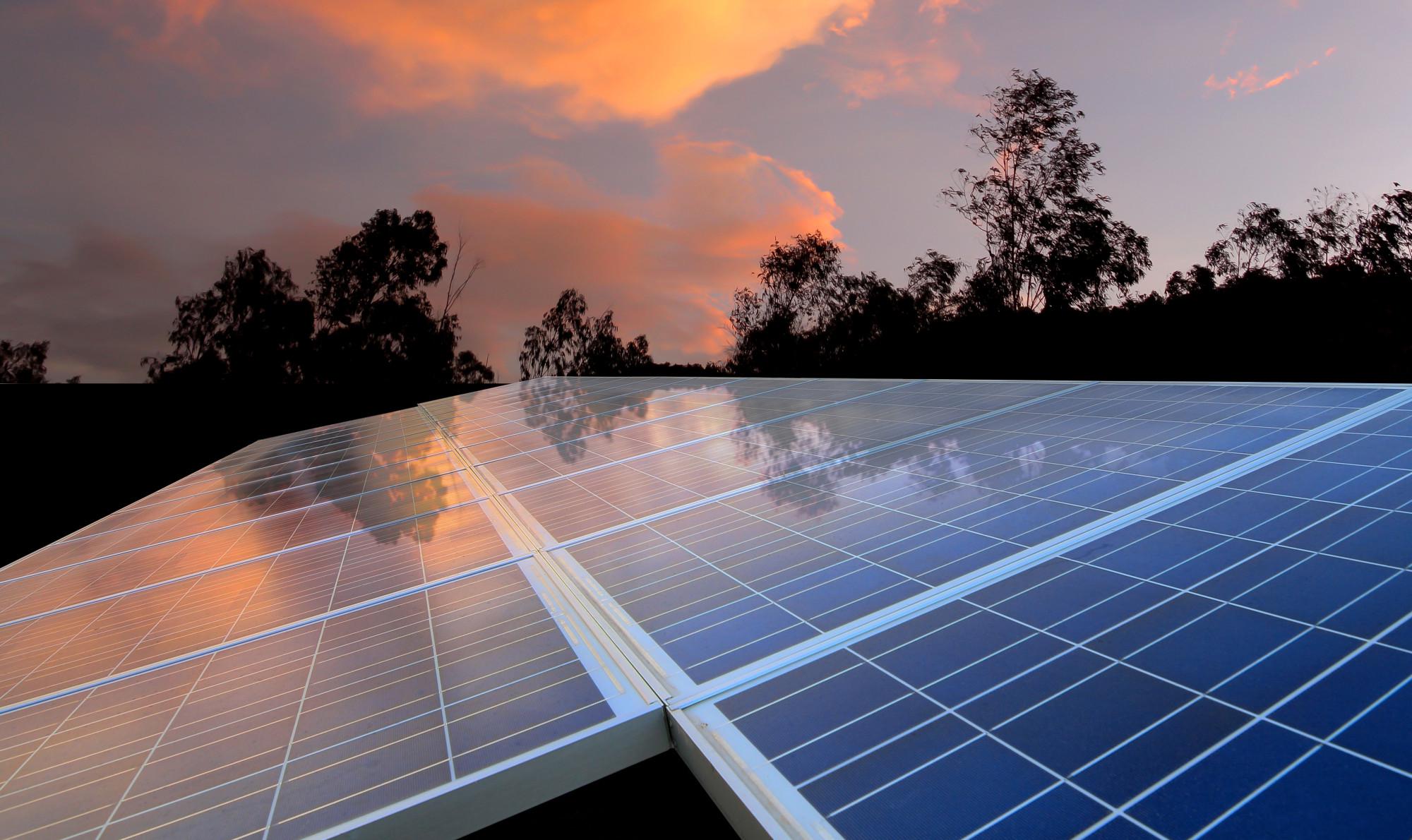
To help the Earth, more people have switched to renewable energy sources because they don't release harmful emissions. The most popular among green energy sources is solar power.
It takes the sun's UV rays and converts them into usable electricity. Not only that, but it also helps you cut back on your electricity bill.
Are you interested? If so, continue reading to learn more about solar panel savings and other benefits of switching to solar energy.
Do Solar Panels Save You Money?
Some people are skeptical about switching to solar power because they're used to standard electricity. However, each month they're constantly slapped with high bills, which eat away at finances.
On average, a person will pay around $115 per month for electricity, which is just under $1400 per year. It is dependent on the size of your house and local electricity rates.
That may be a lot of money to fork out for some, which is why solar energy becomes appealing. Yes, solar panels save you money. But before making the switch to solar, you'll need to look more in-depth at your current lifestyle.
How Much Do Solar Panels Save You?
Understandably, you're eager to switch to solar energy. However, your solar panel savings will depend on a few factors, such as:
-
* Your current electricity usage
-
* Sunlight exposure
-
* System size
-
* Installation costs
So before installing solar panels, consider these essential factors. You could also use a solar panel savings calculator to understand better how your household can benefit from switching to solar energy.
How Much Do Solar Panels Cost?
Solar panel installation costs will depend on where you live and the size of the system your home needs. For example, the average price of a 6kW system in New York is $16,000. Over 20 years, you'll save $30,000.
However, in Kansas, the cost of a 6kW solar system is $14,000, and over 20 years, you'll save about $40,000 on your electric bill.
Will There Still Be an Electricity Bill?
A common misconception when people think about switching to solar is that you'll have no electricity bill. But, that is not true.
Even if you've installed solar panels to offset your electricity usage, you'll still receive an electricity bill as long as your property is connected to the grid. However, it doesn't mean you'll pay for the usage.
Most states use a net metering policy in which excess energy produced by your solar panels can be exchanged for credit. So when the billing cycle ends, you can use those credits to offset any potential costs.
Solar Panel Savings Are Right Around the Corner
As you can see, solar panel savings are inevitable once you make the switch to solar energy. However, you'll also help the environment and remove your carbon footprint in the process. That sounds like a win-win.
Do you want to learn more about solar power or other sustainable energy sources? If so, check out our other blogs for related content.