FEV collaborates with Microsoft on efficient AI model approach for in car applications built on NVIDIA
AACHEN, GERMANY - Newsaktuell - 9 July 2026 - FEV is collaborating with Microsoft to integrate powerful, in-vehicle Generative AI capabilities built on NVIDIA GPU-accelerated compute and AI model microservices. The cooperation aims to enable multimodal voice, text, and gesture interactions directly in the vehicle – independent of a permanent Internet connection.
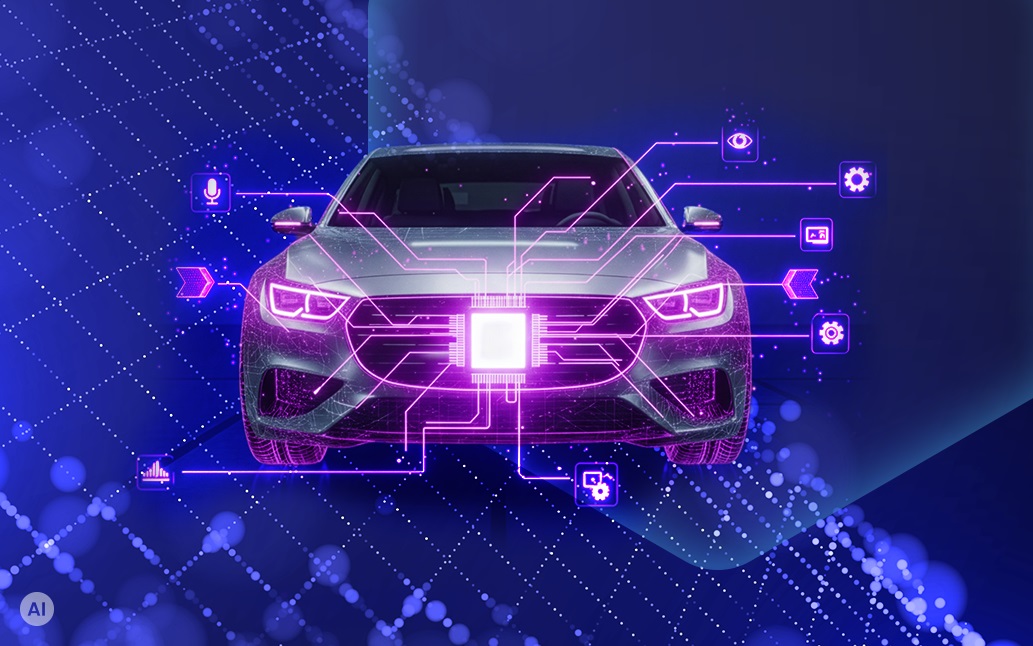
FEV collaborates with Microsoft on efficient AI model approach for in car applications built on NVIDIA. Source: FEV
The focus is on the use of small language models (SLM) such as Microsoft's Phi-4-mini-instruct in Microsoft Foundry that is powered by NVIDIA DRIVE AGX accelerated compute. The solution allows vehicle functions such as the dashboard or individual vehicle profiles to be configured by voice command. At the same time, the system acts as robust local backup intelligence for cloud-based large language models (LLMs).
More intelligence, robustness and efficiency in the software-defined vehicle
Embedded small language models increase the functional intelligence level of modern vehicles and improve the responsiveness and availability of AI-powered functions. Since inference takes place directly in the vehicle, central functions remain available even when there is a limited or no internet connection. In addition, embedded SLMs enable a reduction in backend and infrastructure costs, as cloud-based LLMs can be supplemented or partially replaced depending on the use case. This helps OEMs economically scale software-defined vehicle functions.
"Our collaboration with Microsoft and NVIDIA showcases how small, efficient language models can transform in-vehicle experiences, delivering powerful functionality without the overhead of larger systems," said Thomas Hülshorst, Group Vice President Intelligent Mobility and Software at FEV.
"By combining advanced AI frameworks with domain- and task-specific optimizations, FEV and Microsoft are shaping the future of intelligent, voice-driven interfaces that meet the high standards of automotive deployment," added Boris Scholl, Vice President of Engineering at Microsoft.
The full press release is available here: https://fev.group/689292
- Picture is available at AP -
Hashtag: #FEV
The issuer is solely responsible for the content of this announcement.