


Monash University Malaysia Launches SEADS to Promote Online Safety
KUALA LUMPUR, MALAYSIA - Media OutReach Newswire - 4 February 2025 – Monash University Malaysia marked a milestone with the launch of the Southeast Asia Research Centre for Digital Tech and Society (SEADS).
The launch of SEADS was inaugurated by the Honourable YB Hannah Yeoh, Minister of Youth and Sports, in a ceremony committed to promoting a safer digital future.
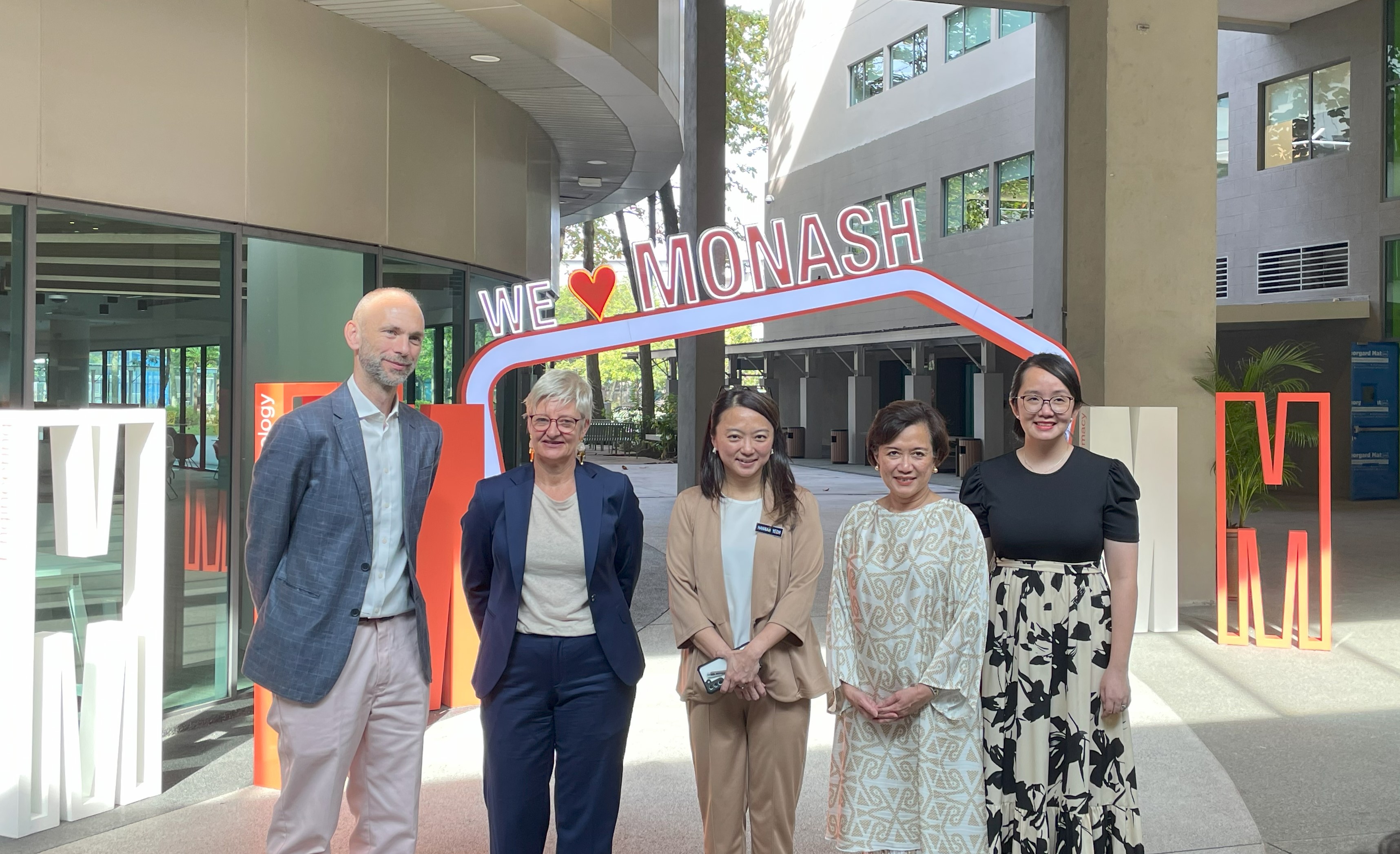
Speaking of the role of SEADS, Professor Emeritus Dato' Dr. Adeeba Kamarulzaman, President and Pro Vice-Chancellor, of Monash University Malaysia emphasized that the center is not just about celebrating digital advancement but ensuring technology works for the people, not against them. She also highlighted SEADS’ commitment to collaborating with corporations, policymakers, and communities to foster ethical and inclusive digital transformation.
One of the event's highlights was a fireside chat between YB Hannah Yeoh and Professor Meera Sivasothy from the School of Arts and Social Sciences. The discussion titled "Creating a Safe Internet for Young Malaysians" explored issues related to the regulation of online spaces in Malaysia and their implications for young people. “Greater coordination and data sharing within government agencies is essential to making better-informed decisions regarding online harm”, emphasized Hannah Yeoh. Prioritizing comprehensive research and leveraging the Southeast Asia Digital Society framework, stakeholders are urged to understand the scope of online harm before enacting policies or regulations.
In response to questions on whether Malaysia should follow Australia's lead in banning social media access for individuals under 16, YB Hannah Yeoh expressed skepticism about its feasibility. She highlighted enforcement challenges, noting, "In Malaysia, people often share phones within households, making such regulations difficult to implement."
Addressing the issue of online trolling in sports, Yeoh underscored the importance of maintaining the principles of sportsmanship. “Online behavior should mirror the values we cherish in sports. Respect, fairness, and integrity must be upheld, whether on the field or online,” she stated.
Yeoh also discussed the often-blurred lines between online and offline spaces, challenging societal perceptions about digital consumption. “We frequently criticize children for spending extensive hours on their phones, but we must also consider adult behaviors—like working in two-hour blocks without breaks—as part of the problem. To secure a better future, we need collective efforts in understanding and addressing these concerns,” she added.
As Malaysia navigates the complexities of digital engagement, fostering an informed, collaborative approach is pivotal to safeguarding all citizens in an increasingly interconnected world.
Associate Professor Emma Baulch, Director of SEADS and Deputy Head of School (Research) at Monash University Malaysia’s Schools of Arts and Social Sciences said, “Online spaces are where young people live—relax, socialize, shop, get informed and sell things. Given the rapid pace of change in these environments, more fundamental research is needed to take stock of how changes affect us for better or for worse.” Baulch added,” Universities are a key piece of the puzzle in building an inclusive digital future. At SEADS, we don’t just publish research articles but we co-design them with collaborators in civil society, government, and industry to drive meaningful changes.”
SEADS’ research falls under three themes:
- Online harm and safety, including online gender-based violence and the harm caused by deepfake imagery;
- Data justice, including research on digital identities, data centers, and threats to data privacy; and
- Digital inclusion, including the inequalities of access and affordability that persist as increasing numbers of people come online.
Hashtag: #MonashUniversityMalaysia
The issuer is solely responsible for the content of this announcement.
SEADS
Southeast Asia Research Centre for Digital Tech and Society (SEADS) undertakes scholarly research that advances understanding of digital technology and societies in Southeast Asia. The centre serves as a platform that conjoins academic research with civil society, governments and corporations in ongoing dialogue, exchanges, and collaborations to explore alternatives, and inform the public. SEADS is based at the School of Arts and Social Sciences, Monash University Malaysia, and is funded under the Monash University Malaysia competitive Future Centre scheme.
Monash University Malaysia
Monash University Malaysia, established in 1998, is the third-largest campus of Australia's largest university and the first foreign university campus in Malaysia. We are a premier research-intensive Australian university ranked among the top 50 universities globally by the QS World University Rankings 2024 and a member of Australia's prestigious Group of Eight (Go8). Monash University is also ranked 58 in the latest Times Higher Education World University Rankings. A self-accrediting university, we offer a distinctly international and culturally rich environment with approximately 11,000+ students from 85 countries. Monash University Malaysia, including the Jeffrey Cheah School of Medicine and Health Sciences, is wholly owned and operated by Monash University since 2020.










