Does Expired Sunscreen Still Protect Your Skin?
- Written by: Times Media
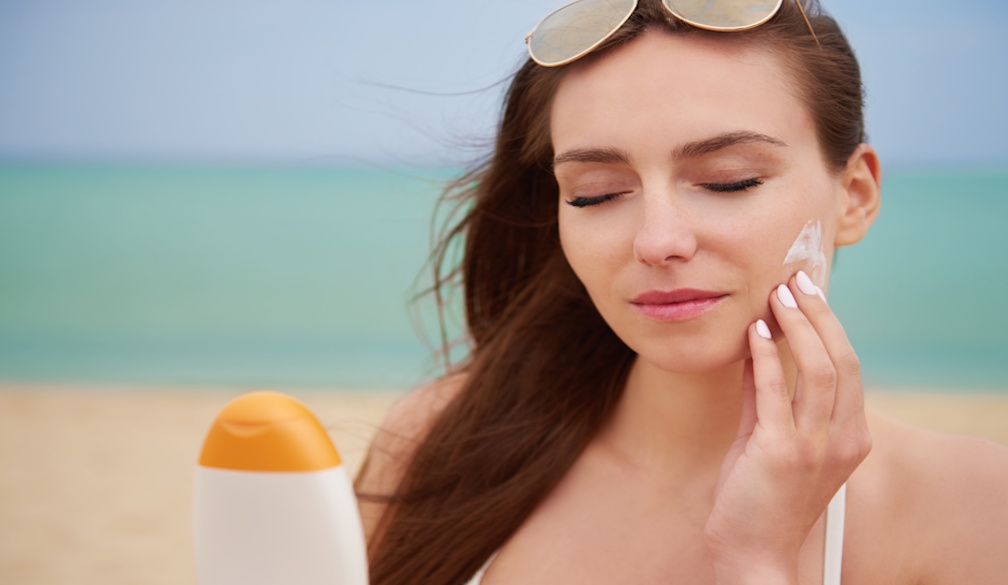
It is a familiar scenario each summer. As the warmer weather returns, you reach for your beach bag and find an old bottle of sunscreen tucked away. It may still appear fine, but many people hesitate and ask the same question: can it still be relied on?
Why Sunscreen Does Not Last Forever
Sunscreen has a limited lifespan. Whether mineral or chemical, its active ingredients gradually break down over time. These ingredients are essential for protecting the skin from ultraviolet radiation, but as they degrade, their ability to shield the skin weakens.
External factors can accelerate this process. Exposure to heat, humidity, and direct sunlight can cause sunscreen to deteriorate more quickly. This means that even if a product looks normal, it may no longer provide the level of protection stated on the label if it has been stored incorrectly or kept for too long.
Key Points to Keep in Mind
- Sunscreen becomes less effective as its active ingredients degrade
- Heat, sunlight, and humidity can speed up this breakdown
- Most sunscreens are designed to last around three years when stored properly
- Changes in texture, colour, or smell can indicate the product is no longer usable
- Using expired sunscreen increases the risk of sunburn and long-term skin damage
- While not usually harmful, expired sunscreen should be replaced for reliable protection
How to Tell If Sunscreen Has Expired
Often, sunscreen shows clear signs when it is no longer suitable for use. Checking an older bottle before applying it can help avoid inadequate protection.
Check the Expiry Date First
Most products include an expiry date, typically around three years from manufacture. If this date has passed, the sunscreen may not deliver the SPF protection indicated on the packaging.
Even if it is within date, storage conditions still matter. Sunscreen that has been exposed to heat or sunlight, such as being left in a car or beach bag, can degrade more quickly than expected.
Look for Changes in Texture
A good sunscreen should feel smooth and consistent. If it appears runny, grainy, clumpy, or separated, the formula may have broken down and may not apply evenly to the skin.
Check for Colour Changes
If the sunscreen looks darker, yellowed, or noticeably different from when it was first opened, this can be a sign that the ingredients have deteriorated.
Notice the Smell
A sour, stale, or unusual scent can indicate that the product is no longer fresh. If the smell has changed, it is best not to use it.
What Happens If You Use Expired Sunscreen
When sunscreen is no longer effective, it cannot properly block UV radiation. This increases the risk of sunburn and contributes to long-term skin damage, even if the product has been applied.
Older sunscreen may also be more prone to contamination, especially if it has been opened frequently or stored in warm conditions. This can sometimes lead to mild skin irritation.
Although expired sunscreen is generally not harmful in itself, it cannot be relied upon for proper protection. Replacing it ensures your skin is adequately shielded from UV exposure.
If you notice new or changing spots after time in the sun, it is worth having them checked at a responsible skin cancer clinic. Early assessment can help identify any concerns and determine if further investigation is required.
How to Store Sunscreen Properly
Correct storage can help extend the life of your sunscreen and maintain its effectiveness.
- Avoid leaving sunscreen in hot environments, such as inside a car
- Store it in a cool, dry place indoors
- Keep the lid clean and tightly closed after each use
Common Questions About Expired Sunscreen
Is it safe to use expired sunscreen?
It is best avoided. Once past its expiry date, the product may not provide the SPF protection listed, increasing the risk of sun damage.
What does expired sunscreen look like?
It may appear watery, separated, discoloured, or develop an unusual smell, all of which suggest it is no longer effective.
Is expired sunscreen harmful?
Not typically. The main concern is reduced protection, which leaves the skin more vulnerable to UV exposure and long-term damage.
If you are unsure about your skin following sun exposure, visiting a best-in-class skin clinic can provide reassurance. A professional assessment can help determine whether further care is needed.
Replace Sunscreen Before Your Next Day Outdoors
Before heading out into the sun, take a moment to check your sunscreen. If it is past its expiry date or shows signs of deterioration, replacing it is the safest option.
Using a fresh, properly stored sunscreen ensures your skin receives the protection it needs. If you have concerns about sun damage or notice changes in your skin, a highly skilled melanoma specialist can provide expert evaluation and advice, helping you stay proactive about your skin health.