Shopping with Purpose: How to Build a Wardrobe That Works for You
Ever stared at a closet full of clothes and felt like you had nothing to wear? We've all been there. It's frustrating to spend money on clothes that just sit there or don't feel quite right. But what if you could change that? What if every item in your wardrobe was something you loved, something that fit well, and something that worked for your life?
Building a wardrobe that truly works for you isn't about buying more; it's about shopping with purpose. It's about being smart with your choices so that your clothes make you feel confident and ready for anything. Let's look at how you can create a wardrobe that serves you, instead of the other way around.
Know Yourself and Your Lifestyle
Before you even think about buying new clothes, take a good look at your daily life. What do you do?
- Your Routine: Are you mostly working from home, going to an office, or out and about all day? Do you spend weekends hiking, at formal events, or just relaxing?
- Your Comfort: What feels good on your body? What fabrics do you like? Do you prefer loose fits or more structured clothes?
- Your Style: What colours do you naturally gravitate towards? What clothes make you feel most "you"? Look at your favourite outfits for clues. You might even create a mood board (digital or physical) with images of outfits you love.
Understanding your lifestyle and what makes you feel good is the first step. If your life is mostly casual, a closet full of suits probably won't work. If you're always on the go, easy-care fabrics are a must.
Declutter Your Current Closet
Decluttering can feel a bit daunting, but it's essential. Go through every single item in your closet and ask yourself these questions:
- Does it fit? Be honest. If it's too tight, too loose, or just not right, it needs to go.
- Do I love it? Does it make you feel good when you wear it? If not, why keep it?
- Have I worn it in the last year? If not, there's probably a good reason.
- Is it in good condition? Stains, holes, or faded colours mean it's time to let go.
- Does it work with at least three other things I own? This is key for building a versatile wardrobe.
Be brave and create three piles: Keep, Donate/Sell, and Repair/Alter. Get rid of the donate/sell pile quickly so you're not tempted to bring items back.
Define Your "Core" Wardrobe
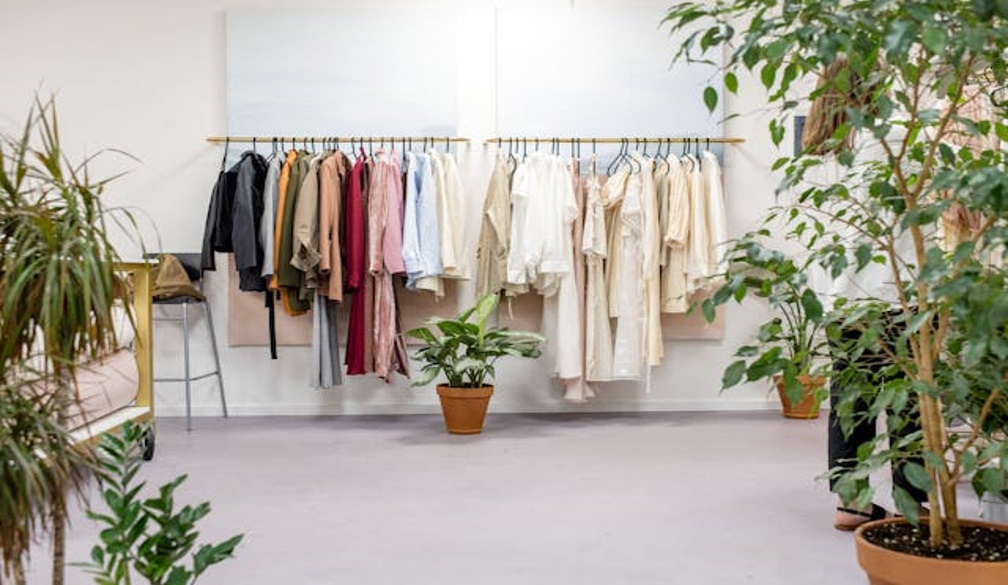
Once you've decluttered, you'll see what you actually have. Now, think about your core wardrobe – these are the key pieces that build the foundation of your style. They're usually classic, neutral items that you can mix and match really easily.
Consider these points:
- Neutral Colours: Start with colours like black, white, grey, navy, beige, and olive green. They're perfect because they go with just about everything.
- Versatile Pieces: Think about items that can be dressed up or down. A good example is a well-fitting pair of jeans, a simple white t-shirt, a classic button-down shirt, or a comfy sweater. And for those slightly dressier or more put-together looks, include a timeless dress, or a smart blazer and skirt combination.
- Quality over Quantity: It's much better to have fewer items that are well-made and will last, rather than a closet full of cheap clothes that fall apart after a couple of washes.
Shop Smart: The "One In, One Out" Rule and Thoughtful Purchases
Now for the fun part: adding new pieces! But this isn't about impulse buys. This is about making thoughtful purchases.
When you're ready to add new clothes, don't just impulse buy. Have a shopping list and stick to it—know exactly what you need, like those black pants or a versatile top.
Follow the "One In, One Out" rule: for every new item you bring home, let go of an old one. This keeps your closet from getting too full. Always try clothes on! Move, sit, and make sure they're comfortable and fit well. Don't buy hoping they'll fit better later.
Think about cost per wear: a cheap shirt you wear once isn't a good deal, but a quality sweater you wear for years is. Finally, consider resale and sustainability by buying pre-owned or selling items you no longer wear. It saves money and helps the planet!
Add Personality with Accessories and Colour
Once you have your solid core wardrobe, you can add your flair. This is where you bring in colours, patterns, and unique items without creating clutter.
- Accessories are Your Friends: Scarves, jewellery, belts, shoes, and bags can completely change an outfit. A simple black dress can look different with a bold necklace and heels versus sneakers and a denim jacket.
- Pops of Colour: If your core is mostly neutral, add colour through a bright sweater, a patterned skirt, or a colourful pair of shoes. These items stand out but still mix easily with your neutral base.
- Layering: Learning to layer different pieces (like a shirt under a sweater, or a vest over a long-sleeved top) gives you more outfit options and lets you adjust to different temperatures.
By focusing on knowing yourself, decluttering, building a core foundation, and shopping smartly, you can transform your closet. You'll end up with a wardrobe that makes getting dressed easy, fun, and confident, no matter what your day brings.