Stryker Stretchers: Why They Remain the Gold Standard in Australian Healthcare Settings
- Written by: Times Media
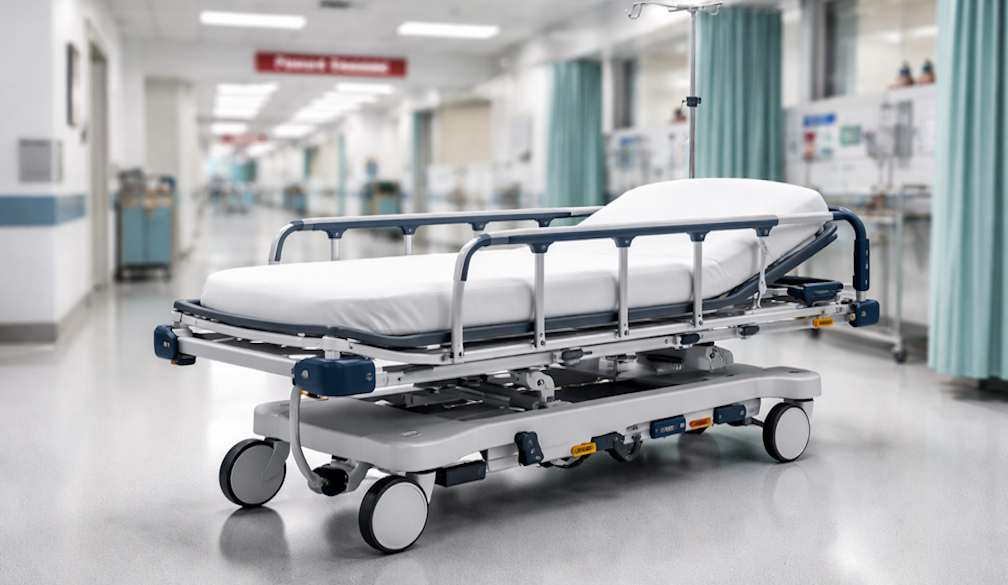
Ask any paramedic, emergency nurse, or hospital orderly what piece of equipment they rely on most during a shift, and patient transport will almost always come up. It's unglamorous, it's often taken for granted, and yet it underpins the safe movement of patients at some of the most critical moments of their lives. In Australian hospitals and ambulance services, Stryker stretchers have long been the benchmark — and for good reason.
From emergency departments to operating theatres, from rural retrieval services to metropolitan trauma centres, Stryker stretchers are a fixture in healthcare environments across the country. But what actually makes them the preferred choice for so many Australian clinicians and service managers? And as healthcare facilities continue to evolve, what should decision-makers know before specifying patient transport equipment? This article takes a close look at the role of Stryker stretchers in modern Australian healthcare.
The Demands of Patient Transport in Modern Healthcare
Patient transport equipment might seem straightforward on the surface — it moves people from A to B safely. But the reality is considerably more complex. Healthcare workers who regularly move patients understand just how demanding the role is, and how much the equipment can either support or hinder their work.
Consider what a stretcher must be capable of across a single busy shift in a major Australian hospital. It needs to accommodate patients of varying sizes and weights safely and with dignity. It must be raised, lowered, and repositioned quickly and with minimal physical strain on staff. It has to integrate with monitoring equipment, IV lines, and oxygen delivery systems without compromising workflow. And it needs to do all of this across different floor surfaces, through narrow corridors, in lifts, and in the controlled chaos of an emergency bay — sometimes all within the same hour.
Manual handling injuries among healthcare workers remain a serious issue in Australia. Back injuries, shoulder strains, and cumulative musculoskeletal damage from patient handling are among the most common occupational injuries in the sector. The design of patient transport equipment has a direct impact on these statistics, which is why the engineering behind a stretcher matters far more than many people initially appreciate.
What Sets Stryker Stretchers Apart
Stryker has built its reputation in the patient handling space over decades of innovation, and the features that distinguish their stretchers are grounded in genuine clinical and operational insight.
Powered Height Adjustment
One of the most significant advances in modern stretcher design is powered height adjustment. Rather than relying on manual hydraulic foot pumps or hand cranks, many Stryker stretcher models feature electric or battery-powered height controls. This allows clinicians to raise or lower the stretcher to an ideal working height with minimal physical effort — critically important when a nurse is working alone, when time is limited, or when a patient needs to be repositioned multiple times during a procedure.
In emergency and high-acuity settings, this feature isn't a luxury — it's a safety tool. It reduces the risk of staff injury and supports consistent, safe patient positioning throughout the care episode.
X-Frame and Load Capacity Engineering
Stryker's X-frame design provides exceptional structural stability across its load range. Australian healthcare facilities increasingly need to accommodate patients across a broader weight range, and stretcher equipment must be specified accordingly. Stryker's engineering accounts for this, with models available that safely support higher weight capacities without compromising manoeuvrability or staff ergonomics.
The low centre of gravity inherent in the X-frame design also improves lateral stability — particularly important when navigating inclines, ramps, and the varying surfaces found across hospital campuses.
Integrated Patient Safety Features
Modern Stryker stretchers incorporate a range of patient safety features that have become standard expectations in quality clinical environments:
- Side rail systems that allow quick, one-handed release without requiring the clinician to lean across the patient
- Trendelenburg and reverse Trendelenburg positioning for clinical management of shock, respiratory distress, and procedural requirements
- Backrest angle adjustment for patient comfort and respiratory support during transport
- Integrated locking castors that provide directional stability and firm braking on demand
- Mattress systems designed for pressure injury prevention during extended waits in emergency departments
Compatibility with Clinical Workflows
Well-designed stretchers work with the clinical workflow rather than against it. Stryker's approach to accessory integration — IV pole mounts, oxygen bottle holders, monitoring equipment brackets, and under-mattress storage — means that everything a clinician needs during patient transport can be kept close at hand and properly secured.
In busy emergency departments and operating suites, where patient handovers can be complex and time-sensitive, this kind of workflow support genuinely reduces errors and improves the patient experience.
Stryker Stretchers in the Australian Ambulance Context
In the pre-hospital environment, the requirements for patient transport equipment are even more demanding. Ambulance stretchers must handle the physical environment of the field — uneven terrain, tight residential spaces, narrow stairways, and loading into vehicle bays — while also supporting clinical intervention during transport.
Australian ambulance services operate across extraordinarily diverse environments, from dense inner-city environments in Sydney and Melbourne to remote outback communities where patient retrieval may involve significant terrain challenges. The stretcher is one of the most critical pieces of equipment a paramedic uses, and the ability to adjust height, secure the patient firmly, and work clinically during transport can directly affect patient outcomes.
Stryker's ambulance stretcher range addresses these requirements with models specifically engineered for the pre-hospital environment, including enhanced load-in and load-out systems that reduce the physical strain on paramedics when managing the vehicle interface — one of the highest-risk moments for manual handling injury in the field.
Infection Control and Maintenance: A Practical Consideration
In the post-pandemic healthcare environment, infection control considerations have moved even further up the priority list when specifying clinical equipment. Stretchers are high-touch, high-traffic surfaces that require frequent and thorough cleaning.
Stryker's design philosophy accounts for this with mattress covers and frame surfaces engineered to withstand repeated chemical cleaning without degradation. Smooth, crevice-free surfaces that don't harbour pathogens are no longer optional — they're a clinical requirement. The materials used in modern Stryker stretchers are compatible with hospital-grade disinfectants and can withstand the cleaning frequency required in busy emergency and ward environments.
Maintenance accessibility is another consideration often overlooked at the point of purchase. Equipment that is easy to service and that has reliable local parts availability will have a lower total cost of ownership over its operational life. This is a particularly important consideration for regional and rural health services where equipment downtime can have more significant operational consequences.
Specifying Stretchers for Your Facility: Key Questions to Ask
For hospital equipment managers, procurement teams, and clinical leads involved in specifying patient transport equipment, the decision involves more than simply choosing a model from a catalogue. Here are the key considerations to work through:
What Is the Primary Use Environment?
An emergency department has different requirements to a day surgery unit or a medical imaging department. High-volume, high-acuity environments benefit from powered features and robust clinical integration. Lower-acuity environments might prioritise simplicity and ease of cleaning. Map the stretcher specification to the actual use case.
What Are Your Patient Population Characteristics?
Consider your facility's patient weight profile and any specific clinical populations you serve. Bariatric-capable stretchers may be a requirement rather than an option for some services. Similarly, paediatric-focused facilities have their own specific requirements.
What Are Your Manual Handling Risk Priorities?
If manual handling injury reduction is a priority — and it should be in every healthcare facility — then powered height adjustment, easy-glide steering systems, and ergonomic control placement should all be on the specification list.
What Is Your Lifecycle and Service Model?
Understand the expected operational life of the equipment, the availability of servicing and parts in your region, and the total cost of ownership across that lifecycle. A higher upfront investment in quality equipment frequently delivers better value over time than repeated replacement of lower-quality alternatives.
Supporting Your Team with the Right Equipment
Healthcare workers in Australia operate under significant physical and psychological demands. The equipment they use every day either supports their ability to deliver safe, effective care or adds to the burden they carry. Investing in quality patient transport equipment — including well-engineered, clinically appropriate Stryker ambulance stretchers — is ultimately an investment in staff wellbeing and patient safety simultaneously.
Facilities that regularly review and upgrade their patient transport equipment tend to see benefits not just in reduced manual handling incidents, but in staff satisfaction, patient feedback, and the overall quality of the care environment. It signals to clinical teams that the organisation values their work and their safety.
Final Thoughts
Patient transport is one of the most fundamental activities in any healthcare setting, and the equipment that supports it deserves serious, informed consideration. Stryker stretchers have earned their place as a trusted standard in Australian hospitals and ambulance services through a consistent commitment to ergonomic design, clinical functionality, and reliability in demanding environments.
Whether you're reviewing your facility's current equipment, planning a department fit-out, or building a procurement case for executive approval, understanding what makes quality stretcher equipment matter — and what to look for when specifying it — will help you make a decision that serves your staff and your patients well for years to come.
In healthcare, the details matter. The right stretcher is one of them.