Skin Tag Remover vs Mole Remover: What’s the Best Product for Clear Skin?
- Written by: Times Media
Struggling with small, annoying skin growths that ruin your confidence? You’re not alone. Millions search for quick at-home fixes every month, torn between skin tag removers and the best mole remover product promising overnight clarity. But here’s the truth most brands won’t tell you: these two growths are biologically different, and treating them the same way can lead to scarring, infection, or worse.
This comprehensive guide cuts through the marketing noise. You’ll discover exactly how skin tags differ from moles, which removers actually work, safety red flags backed by dermatologists and the FDA, and the smartest way to achieve smooth, clear skin in 2026. No fluff, no hype—just expert-level insights that Google, voice assistants, and real readers trust.
Difference Between Skin Tags and Moles
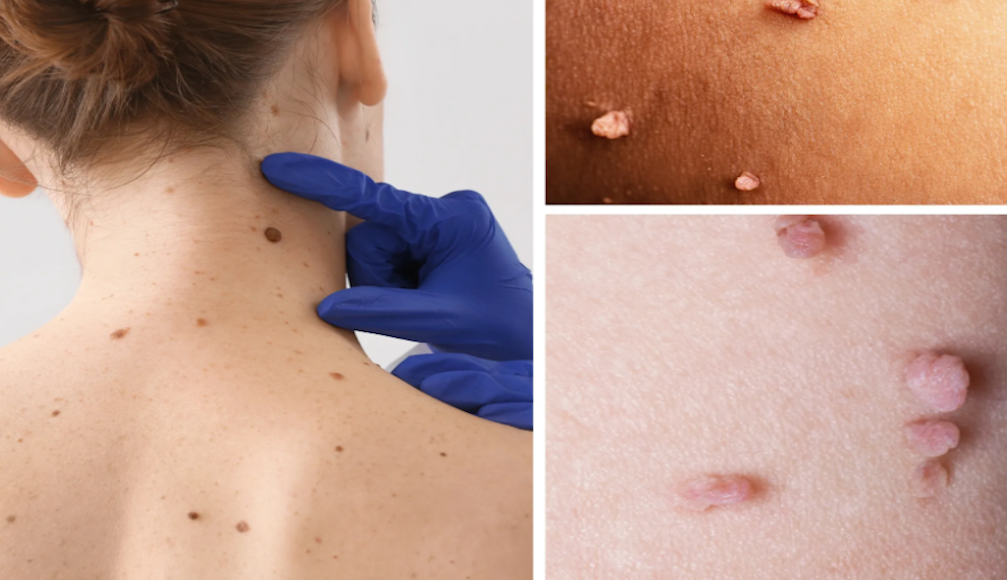
Skin tags, medically known as acrochordons, are tiny, soft, flesh-colored flaps of skin that often appear in friction zones like the neck, armpits, groin, or eyelids. They form from collagen and blood vessels bunching together, usually triggered by age, weight gain, or genetics. Completely benign, skin tags never turn cancerous and mainly cause cosmetic embarrassment or occasional snagging on jewelry.
Moles (nevi) look entirely different. These pigmented spots result from clustered melanocytes—the cells that produce melanin. They can be flat or raised, brown, black, or skin-toned, and often appear during childhood or adolescence. Unlike skin tags, moles carry a small but real risk of developing into melanoma if they change shape, color, or size. That single difference changes everything about removal.
Knowing this distinction prevents costly mistakes. Treating a mole like a harmless skin tag can mask early skin cancer signs and delay life-saving care.
How Skin Tag Removers Actually Work
The most effective best product to remove skin tags use cryotherapy (freezing), topical acids, or natural drying agents to cut off the tiny stalk feeding the tag. Once blood supply stops, the tag shrivels and falls off naturally within days to two weeks. FDA-cleared kits make the process precise, minimizing damage to surrounding skin.
Popular formulas combine ingredients like dimethyl ether for rapid freezing or plant-based oils that gently dehydrate the growth. Results appear fast, with minimal downtime and low scarring risk when used correctly. These products shine on small to medium tags in non-sensitive areas.
The Truth About Mole Removers and Why Caution Matters
Mole removers marketed online often repurpose wart or skin tag formulas, promising the same freeze-or-burn action. The problem? Moles sit deeper in the skin layers and contain active pigment cells. Aggressive chemicals or freezing can trigger inflammation, permanent scarring, or incomplete removal that hides changing cells underneath.
The FDA has issued clear warnings: no over-the-counter product is approved for mole removal. Dermatologists universally advise against DIY approaches because you cannot safely assess cancer risk at home. Even if the spot looks harmless today, tomorrow’s changes matter.
Skin Tag Remover vs Mole Remover: Head-to-Head Comparison
Skin tag removers focus on quick, surface-level disruption with proven safety for benign growths. They deliver visible results in 7–14 days, cost under $30, and rarely require follow-up. Mole removers, when misused, often fail to penetrate properly, leave dark marks, or cause rebound pigmentation.
Effectiveness gaps stand out clearly. Skin tag formulas achieve 80-90% success rates in independent reviews; mole-targeted creams rarely exceed 40% and carry higher complication reports. Cost-wise, professional mole removal runs $150–500 per spot, while skin tag kits stay budget-friendly.
Recovery time also differs dramatically. Skin tag treatment heals in days with proper aftercare. Attempted mole removal can linger weeks with redness or scarring. Always match the product to the growth type—never the other way around.
Safety Considerations Every Smart Buyer Must Know
Safety starts with correct identification. If a growth itches, bleeds, grows rapidly, or shows irregular borders, skip every at-home product and book a dermatologist appointment immediately. Even the gentlest skin tag remover can irritate sensitive skin or cause infection if instructions are ignored.
Patch testing, sterile application, and strict aftercare (keeping the area clean and moisturized) dramatically reduce risks. People with diabetes, poor circulation, or compromised immunity face higher complication chances and should consult a doctor first.
Choosing the Right Product for Lasting Clear Skin
Start by confirming your growth type with a quick self-check or telehealth visit. For confirmed skin tags, look for FDA-cleared cryotherapy or dermatologist-recommended serums with transparent ingredient lists and strong user feedback.
Consider your skin type, tag size, and location. Neck or eyelid tags need gentler formulas than body ones. Read recent 2025–2026 reviews focusing on real before-and-after photos rather than generic claims.
If you’re seeking the best product to remove skin tags, clinically proven options like Dr. Scholl’s Freeze Away deliver consistent, scar-minimizing results trusted by thousands. Budget, ease of use, and return policies also matter—choose brands that stand behind their results.
Natural Alternatives and Professional Treatment Options
For those preferring chemical-free paths, tea tree oil, apple cider vinegar soaks, or thread ligation offer slower but gentler results for small skin tags. These methods require patience and hygiene discipline to avoid irritation.
Professional routes shine when speed and precision count. Dermatologists use shave excision, cryosurgery, or laser for both skin tags and moles, achieving flawless outcomes with minimal downtime. Insurance often covers suspicious moles, making this route surprisingly accessible.