Beyond the Look and the Safety Benefits of a Properly Fitted Bullbar
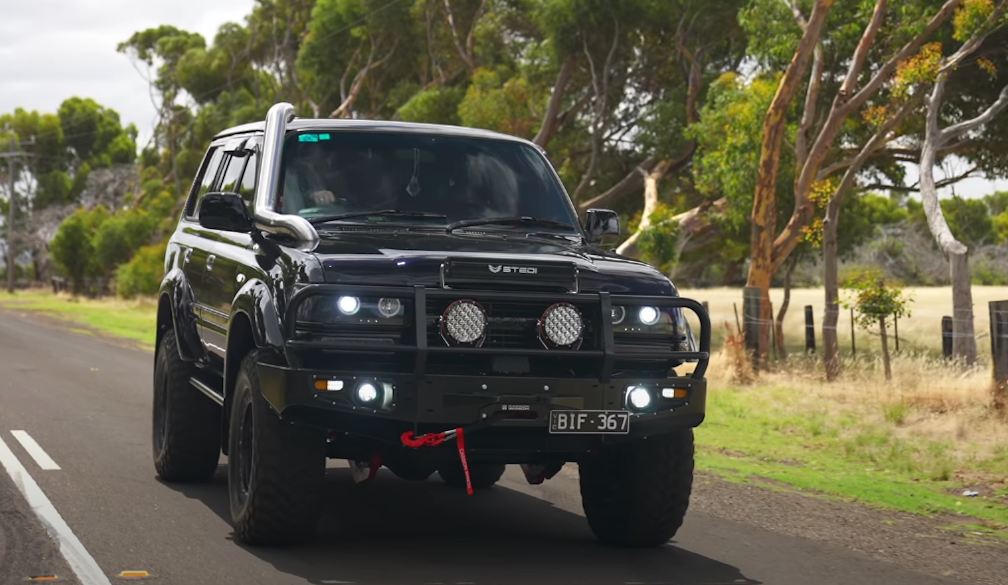
True off-road utility requires a focus on structural synergy rather than just raw mass. Many off-road enthusiasts discover that opting for a Toyota Hilux genuine bullbar provides a distinct advantage in maintaining the vehicle's original warranty and complex safety architecture. It transforms the vehicle into a purpose-built machine, capable of handling rugged terrain while preserving the refined performance of the chassis.
How Proper Fitment Shapes Real World Protection Outcomes
A bullbar is there to take the hit before anything else does. That sounds straightforward, yet the way it does this depends heavily on how well it fits the vehicle. A poorly matched bar can shift force into the wrong areas, which defeats the purpose. A well-designed one works with your vehicle’s structure, spreading impact in a controlled way.
It is easy to underestimate how much engineering goes into that alignment. Airflow still needs to reach the radiator. Sensors must remain accurate. Even the vehicle’s crumple zones play a role. When all of those elements stay intact, the bullbar becomes part of the safety system rather than something bolted on top of it.
The Role Of A Bullbar In Expanding Vehicle Capability
Protection is only part of the appeal. Spend enough time around off-road setups and you start to notice how often the bullbar becomes a base for other gear. Lights, winches, antennas. They all need a stable, well-positioned mounting point, and the front of the vehicle makes sense.
That shift from passive protection to active functionality changes how the vehicle is used. Night driving feels less uncertain with proper lighting. Recovery situations become manageable with the right equipment in place. Still, there is a balance to strike. Add too much weight or choose poorly designed attachments and the handling begins to feel off. The best setups manage to add capability without making the vehicle feel burdened.
Why Installation Quality Can Make Or Break Performance
There is a temptation to treat installation as a simple step. Bolt it on, tighten it up, and move on. In reality, this is where many problems begin. Small misalignments can lead to rattling over time. Incorrect torque settings might not show issues immediately, but they have a way of revealing themselves later.
A proper installation considers more than just getting the bar to sit flush. It takes into account how everything interacts under stress. Sensors need clear lines of sight. Mounting points must be secure without distorting the structure. It is the kind of work that is easy to overlook when it is done well, which is exactly the point.
Why Interior Design Thinking Still Has A Place Here
It might seem like a stretch to bring interior architecture into a conversation about bullbars, but there is a practical connection. Vehicles that are used for work or travel often evolve over time, with changes happening both inside and out. When those changes are made in isolation, the result can feel disjointed.
Working with someone who understands both spatial design and structural constraints offers a different perspective. An interior architect who is also a licensed builder tends to think in systems. They look at weight distribution, how storage interacts with access points, and how external modifications influence the overall feel of the vehicle. It leads to decisions that feel considered rather than reactive, and that shows up in everyday use.
Very Important Small Details To Keep In Mind
The longer a bullbar stays on a vehicle, the more its quality becomes apparent. Finishes that resist wear, coatings that handle exposure, and materials that hold their shape all contribute to how it performs years down the line. These are not always the first things people notice when choosing a product, but they often end up being the most important.
There is also the question of consistency. A bullbar that maintains its alignment and resists corrosion tends to require less attention. That, in turn, supports resale value and reduces the need for ongoing adjustments. It is the kind of benefit that builds gradually rather than announcing itself upfront.
Final Thoughts
A bullbar can change how a vehicle looks, but that is only a small part of the picture. The real value shows up in how it protects, how it supports additional equipment, and how well it integrates with the rest of the vehicle. When those elements come together, the result feels cohesive rather than added on.
For anyone weighing up the decision, it is worth thinking beyond appearance and focusing on how the setup will perform when it is actually put to use.