Elevating Your Laundry Routine to Preserve Your Favourite Wardrobe Pieces
- Written by: Times Media
The way we approach our wardrobes is undergoing a significant transformation. As consumers become more aware of the environmental and financial costs of constantly replacing their clothes, the concept of wardrobe longevity is gaining serious momentum. A well-curated closet is no longer just about following trends; it is about investing in pieces that stand the test of time. With the local industry increasingly focused on the evolution of our Australian fashion identity, properly caring for these garments at home has never been more important. Taking the time to understand the unique properties of different fabrics is the first step toward better garment care. However, protecting these delicate fibres requires more than simply tossing them into a standard wash cycle and hoping for the best. It demands a thoughtful approach to home management and an elevated laundry routine that prioritises careful preservation over sheer speed. By transforming how we maintain our clothes, we can ensure they look flawless wear after wear.
Upgrading Your Equipment for Professional Results
To genuinely extend the lifespan of your clothing, you need to equip your home with the right tools for the job. Standard washers and tumble dryers can be incredibly harsh on natural fibres like silk, wool, and fine cotton. Excessive agitation and intense dry heat often cause irreversible damage, leading to shrinkage, colour fading, and weakened threads that eventually tear. In many cases, everyday household appliances simply lack the specialised settings required to treat high-end garments with the necessary delicacy.
Upgrading your home setup to include professional-grade equipment makes a world of difference in fabric care. The goal is to minimise abrasive washing while maximising gentle refreshment techniques. For instance, when investing in a high-quality Stea Iron for your laundry space, you gain the ability to effortlessly smooth wrinkles and naturally purify fabrics without the scorching heat of traditional pressing plates. The fine, powerful mist penetrates deeply into the fibres to plump them up, neutralise odours, and eliminate bacteria. This level of gentle, consistent care ensures that your most beloved pieces maintain their original shape, vibrant colour, and luxurious texture for years to come. Ultimately, premium equipment pays for itself by drastically reducing the need for costly professional dry cleaning services.
The Environmental Case for Better Garment Care
Beyond protecting your financial outlay, treating your wardrobe with a gentle touch is a powerful act of environmental responsibility. Fast fashion has left a significant mark on the planet, contributing to overflowing landfills, excessive water usage, and unprecedented carbon emissions. Adopting better care habits at home can directly combat this widespread textile waste. Keeping garments in rotation longer means fewer resources are extracted for new production and less pollution is generated by manufacturing processes. Furthermore, responsible garment care sets a positive example for future generations, teaching them the intrinsic value of maintaining what they already own.
The data supporting this shift in household behaviour is compelling. According to a recent report by the U.S. Government Accountability Office, textile waste in the U.S. increased by over 50 percent between 2000 and 2018, highlighting the urgent need for sustainable practices. By choosing to mend, steam, and properly wash our clothes, we keep them out of this devastating waste stream. This simple change in your weekly routine shifts the focus from constant purchasing to diligent maintenance. Ultimately, it turns the humble laundry room into a frontline defence against ecological degradation, proving that sustainability truly begins at home.
Essential Habits for Fabric Preservation
Technology is only one part of the equation when it comes to upgrading your garment care system. Establishing a mindful, consistent routine is equally crucial for maintaining the integrity of your wardrobe over the long term. Implementing a few simple, strategic practices will drastically reduce the wear and tear your clothes experience during the cleaning process.
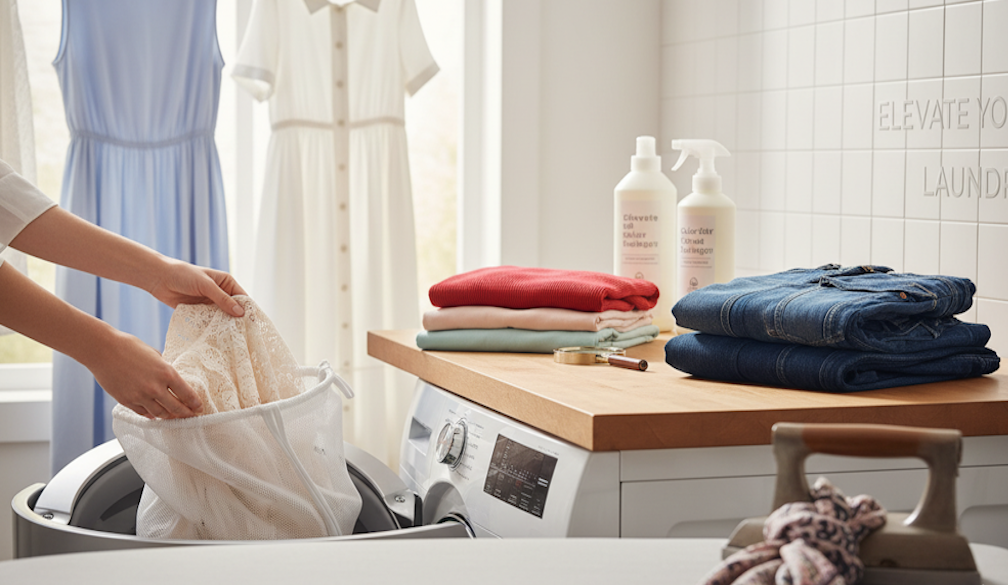
- Sort intelligently by fabric weight: Always separate heavy items like rigid denim and thick towels from delicate silks, lightweight cottons, or synthetics. This prevents unnecessary friction damage and pilling during the wash cycle, protecting the structural integrity of your finer pieces.
- Wash with cold water: Heat is one of the primary culprits behind fabric degradation, elastic breakdown, and colour loss. Cold water is significantly gentler on individual threads and has the added benefit of reducing your household energy consumption, which lowers your utility bills.
- Air dry whenever possible: Skipping the mechanical tumble dryer is the absolute best way to prevent shrinkage and structural damage. Hang lightweight items on padded hangers, and always lay heavy knits or wool jumpers flat on a drying rack so they retain their intended shape and softness.
- Refresh instead of washing: Rather than washing a garment after every single wear, assess whether it actually needs a full cycle. Often, airing a piece out by an open window or using gentle steam will effectively remove creases and odours without subjecting the fabric to a harsh wash, thereby extending its wearable life.
Elevating your laundry practices is a highly rewarding investment in both your personal style and the broader environment. By embracing better washing techniques and incorporating premium tools into your daily routine, you can confidently protect your favourite wardrobe pieces from premature wear. Ultimately, dedicating a little extra time and care today ensures that your beautiful clothes remain vibrant, flawless, and completely wearable for many seasons to come.