Why More Australians Are Choosing Hybrid Workouts Over Traditional Gym Routines
Let’s face it, traditional gyms aren’t for everyone anymore. The long drive, the busy car parks, and the waiting around for machines. Add in rising costs, and it is no wonder so many Australians are rethinking how they move.
What’s taking over is something different: hybrid workouts. It is not regarding the abandonment of the gym and the transformation of the living room into the studio. It is instead a matter of integrating the two- going into studios where you desire some organization and community, and training at home where life intervenes.
Why the Old Gym Routine Feels Outdated
Gyms have served their purpose for decades. Rows of treadmills, racks of dumbbells, and blaring music, it worked. But lifestyles have changed. Workers are working more hours, have family obligations, and they need flexibility like never before.
The thing is that many gym-goers become fed up with the same arrangement. Running in circles, waiting in line, contending with peak-hour traffic. To some, it is fear-inspiring; to others it is boring.
Hybrid routines step in to solve that.
The Shift Toward Hybrid Fitness
So, what exactly is hybrid fitness? Think of it as a mix. One week, you might join a Pilates class for guidance and motivation. The next day, you train at home with online videos. Maybe you run outdoors once, then finish the week with a studio strength class.
It is about freedom. You still get the social buzz of a group session, but without being tied to the four walls of a gym. You save time, cut costs, and still stay consistent. That’s the real draw.
Smarter Equipment Is Driving It
Hybrid training wouldn’t be possible without better equipment. A decade ago, home gear meant a couple of dumbbells gathering dust in the garage. Today, it’s compact, versatile, and studio-grade.
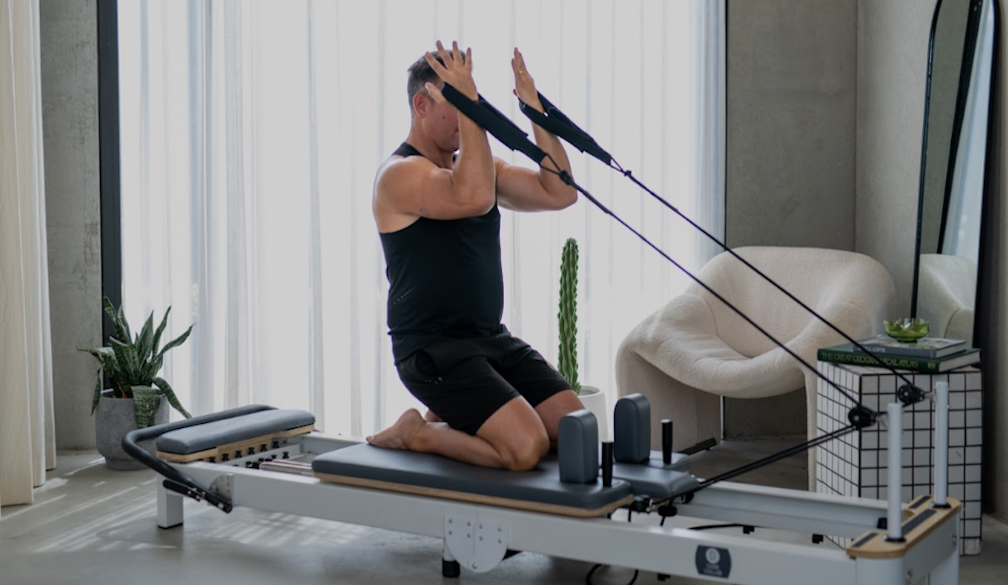
Take Pilates reformers as an example. They were once seen as niche studio machines. Now, more fitness enthusiasts researching megaformer vs reformer options often find surprising overlaps in results.. The goal isn’t just to exercise, it’s to create a genuine training experience without stepping outside the front door.
This is why sales of high-intensity reformers and functional rigs are growing. People want their home setups to actually feel worthwhile.
Why Pilates Fits the Hybrid Model
Pilates has quietly become one of the stars of this shift. It is gentle, non-violent, yet surprisingly difficult to do. It makes the core tighter, enhances posture, and engages muscles that one will never have to exercise in the gym.
The beauty lies in the malleability. Classes in the studio also provide coaching, physical adjustments and the group spirit. In the house, individuals are able to repeat the routines they are familiar with at their own time, be it morning, evening or even during the moments between meetings.
It also complements other workouts. Someone might do two reformer sessions during the week, then go for a run on Saturday. The balance keeps things fresh.
The Role of Tech
Technology is the glue that holds hybrid fitness together. Apps, wearables, and streaming platforms bridge the gap between studio and home. They track progress, give feedback, and even nudge you when it’s time to train again.
Studios are catching on, too. Many now livestream classes or build entire libraries of on-demand sessions. Members can join in person, then pick up the same workout at home later. That kind of flexibility was unheard of not long ago.
Why Australians Are Making the Switch
The shift isn’t just about novelty. People are seeing clear benefits:
- Time saved – no daily commute to a gym.
- Variety – mixing Pilates, cardio, and strength without being locked in.
- Consistency – easier to stick with routines when they’re flexible.
- Cost control – spend less on memberships, invest more in lasting equipment.
And here’s the kicker: people are actually enjoying it more. When fitness feels less like a chore and more like a choice, results tend to follow.
This shift aligns with the Australian Government’s physical activity guidelines, which emphasize that regular, moderate exercise delivers better long-term results than irregular bursts of high intensity.
The Hurdles Hybrid Fitness Still Faces
Of course, there are challenges. Training at home can be distracting: kids, phones, the couch, calling your name. Without a coach nearby, form can slip, and workouts may not hit the mark.
That’s why many use studios as the foundation, learn the movements, get motivated, then take those lessons home. The combination works better than either side alone.
Studios that embrace hybrid options, streaming sessions, lending equipment, and flexible memberships are already seeing the payoff. They aren’t competing with home training. They’re complementing it.
Community Still Matters
The feeling of community is one of the reasons why people would not want to abandon the gym. Being trained together could be inspirational when otherwise a training session at home would not be accomplished. Listening to the voice of the instructor, the energy of the group, simply a laugh shared with another person on the mat next to you, all help.
Hybrid workouts don’t remove that. They make it more flexible. You can enjoy the buzz of a Saturday morning class, then still roll out a mat at home midweek when time is short. That balance keeps both the body and the mind engaged.
What the Future May Hold
Look ahead a few years, and hybrid fitness will probably be the norm, not the exception. Expect to see:
- Spare rooms turned into wellness spaces with compact equipment.
- Studios offering “hybrid memberships” as standard.
- More machines are designed to connect directly with apps and wearables.
- Online fitness communities keep people accountable, even when they train solo.
The idea of choosing between the gym and home will feel outdated. It won’t be either-or. It will be both.
According to AusActive’s 2022 annual report, Australian fitness providers are increasingly offering hybrid training formats, with members blending studio classes and at-home sessions more than ever before.
Final Thought
Australians are moving away from the old gym-only model. Hybrid fitness is gaining ground because it matches the pace of modern life. It combines the best parts of studio training with the convenience of home workouts.
Whether it’s a Pilates reformer session at home, a weekend group class, or a jog by the beach, the mix creates balance. And balance is what keeps people consistent.
For most, that’s the point. Fitness shouldn’t feel forced. It should fit in, and hybrid workouts are proving to be the smarter, more sustainable way forward.