A Camping Holiday Used to Be Affordable — Not Any Longer: Why the Cost of Staying at a Caravan Park Is Rising
- Written by: Times Media
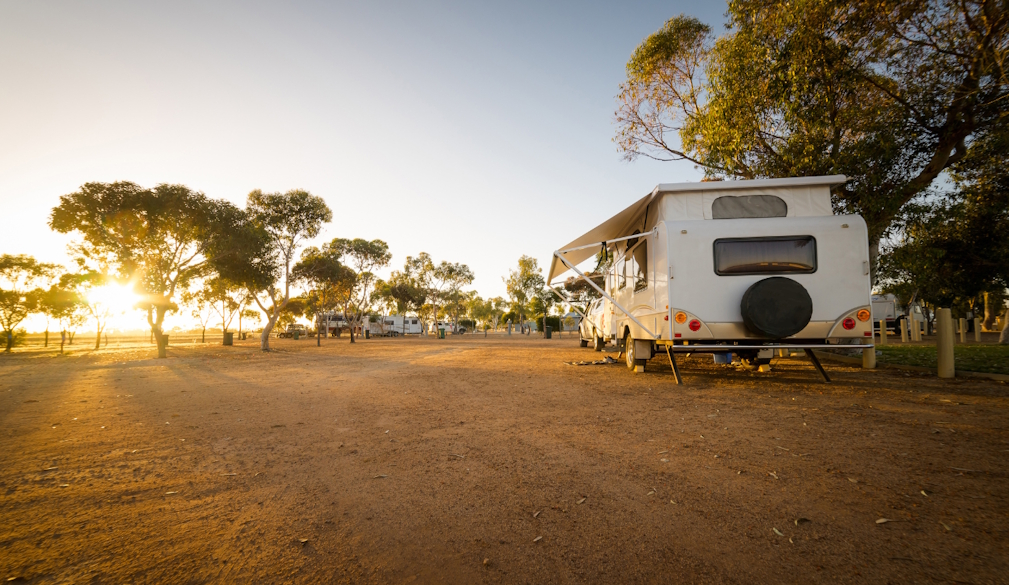
For generations, the humble camping or caravan holiday has been the backbone of the great Australian getaway — a simple, affordable escape for families, grey nomads, and backpackers alike. But today, many travellers are discovering that what was once the cheapest way to take a break is starting to feel like a luxury. The nightly rate for a powered caravan site that used to be $25 or $30 can now easily exceed $70 or more in peak season, while a basic cabin stay can rival the cost of a motel room. So, what’s driving this shift?
1. The Changing Nature of Caravan Parks
Traditional caravan parks have evolved dramatically over the past two decades. What used to be basic facilities — shared bathrooms, a camp kitchen, and maybe a swimming pool — have now become full-scale holiday resorts.
Many parks have upgraded to include water parks, playgrounds, jumping pillows, mini-golf courses, and modern cabins with air conditioning and Wi-Fi. While these additions attract families and provide comfort, they come with major costs in terms of construction, maintenance, insurance, and staffing.
Caravan park operators argue that these investments are necessary to stay competitive in a tourism market dominated by Airbnbs and serviced apartments, but the end result is that prices have climbed well beyond what many budget-conscious travellers can afford.
2. Rising Land and Property Values
Land prices in coastal and regional Australia have soared. Caravan parks are often located on prime beachfront or riverside land, and the increasing value of that real estate drives up rates.
Some owners have sold to developers, who turn these sites into high-end resorts or residential complexes. For those who remain, the pressure of high land taxes, council rates, and insurance premiums forces operators to charge more to stay viable.
In effect, the low-cost holiday has been squeezed out by the broader housing market — the same pressures that make home ownership unaffordable are now reshaping the cost of camping.
3. Energy, Labour, and Insurance Costs
Running a caravan park is an increasingly expensive business. Electricity prices have risen steeply, especially for parks that must power hundreds of sites, communal facilities, and cabins.
Add to that rising wages and labour shortages in regional Australia — especially for cleaning, maintenance, and hospitality staff — and the cost base for operators keeps climbing. Insurance, too, has become a major burden. After years of natural disasters — from bushfires to floods and cyclones — premiums for coastal properties have skyrocketed, particularly in Queensland and northern New South Wales.
4. Demand and the Post-COVID Travel Boom
The COVID-19 pandemic reshaped Australian travel habits. With international borders closed, millions turned to domestic holidays, and camping boomed. Caravan sales soared, and park occupancy rates hit record highs.
Even after borders reopened, demand for self-contained and nature-based holidays remained strong. Many Australians discovered a love of the outdoors and kept travelling locally — but the surge in demand also gave parks the confidence to raise rates.
In short, the market adjusted. When every powered site is booked out months in advance, there’s little incentive to keep prices low.
5. The Corporate Factor: Park Chains and Consolidation
Another major shift has been the corporatisation of the caravan park industry. Once dominated by family-run businesses, many parks are now owned by large groups such as NRMA Parks & Resorts, Discovery Parks (G’day Group), and Ingenia Holidays.
These companies bring professional management and strong marketing, but they also operate under profit-driven models that rely on yield management — dynamic pricing that rises with demand, similar to airlines and hotels. While this approach maximises revenue, it also means peak-season prices can double or triple, leaving traditional campers priced out of their favourite spots.
6. Fewer Options for Budget Travellers
Free and low-cost camping options are also declining. Councils have restricted free roadside camping and freedom camping areas, often under pressure from commercial park owners. As a result, budget travellers are pushed into the paid park system, where competition is limited and prices are rising.
Some regional towns still offer low-cost showground or community-run sites, but these are often seasonal or lack full facilities, making them unsuitable for families or long stays.
7. The Modern Camper’s Expectations
It’s also true that the modern traveller expects more. Campers want Wi-Fi, ensuite bathrooms, air conditioning, and dog-friendly options — luxuries that would have been unheard of a generation ago. Parks that cater to these expectations invest heavily in infrastructure, passing the cost on to guests.
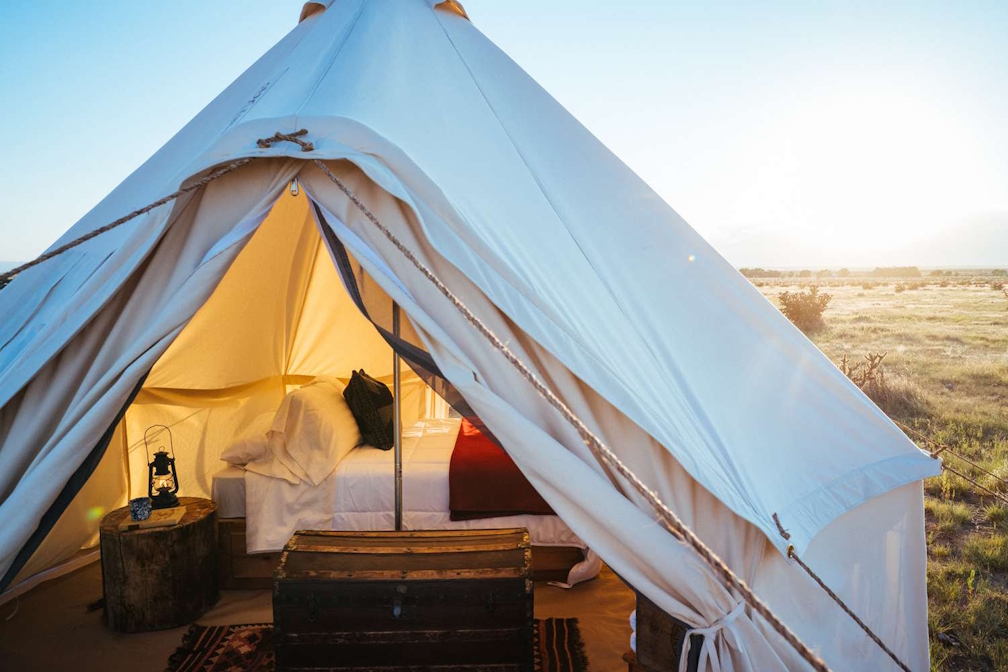
In effect, Australians have collectively upgraded the camping experience, and the price has risen accordingly. The “roughing it” experience that defined the old camping culture is being replaced by something closer to glamping — comfortable, but costly.
8. The Wider Tourism Economy
Tourism inflation hasn’t been limited to caravan parks. Across Australia, holiday accommodation, airfares, and even park entry fees have risen sharply since 2020. For parks that must compete for workers and materials in a tight economy, higher rates are often the only way to maintain profitability.
As travel becomes more expensive overall, caravan parks — once the low-cost alternative — are simply moving in line with the rest of the market.
Conclusion: The End of the “Cheap Aussie Holiday”?
The caravan park remains a beloved institution, woven into the cultural fabric of Australian life. But it’s no longer the low-cost escape it once was. Rising costs — from land and energy to insurance and labour — combined with corporate ownership and changing traveller expectations, have transformed the sector.
While some travellers will continue to pay for the convenience and comfort of modern parks, others are seeking new solutions — from off-grid camping and vanlife travel to community-run campgrounds that keep the old spirit of affordable adventure alive.
For now, the dream of an easy, budget-friendly camping holiday isn’t dead — but it’s certainly more expensive than it used to be.