Knockdown Rebuild or Renovate? How Perth Owners Decide
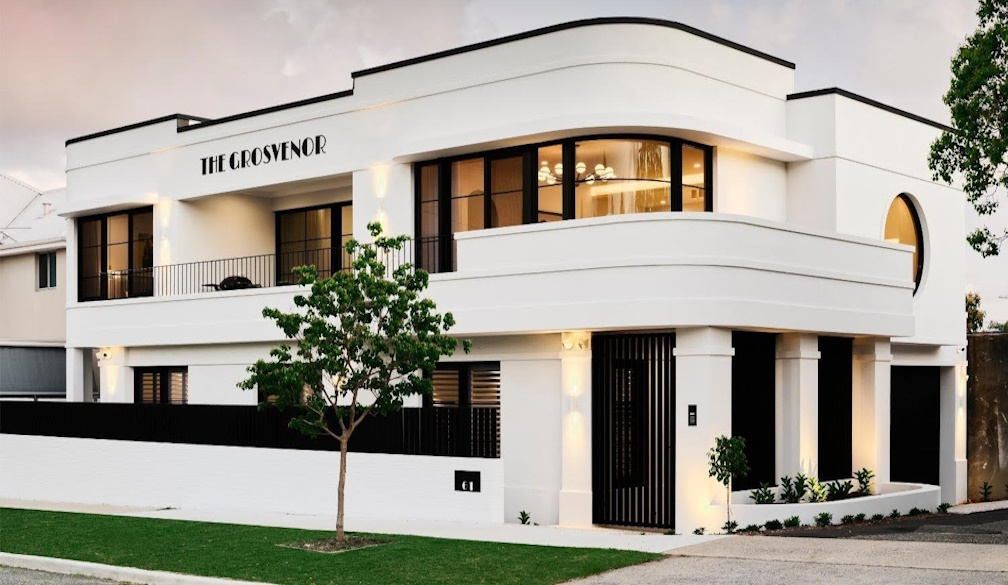
Plenty of Perth families love where they live but not what they live in. The house dates from the 1960s or 70s, the kitchen faces the wrong way, the bathrooms are tired, and the land is now worth far more than the building on it. That leaves three choices: renovate, knock down and rebuild, or sell and move.
Each can be the right answer. The trick is knowing which questions decide it.
Start with the house you already have
Before comparing costs, get an honest picture of the building. A pre-purchase style inspection from a building inspector or engineer will tell you about the footings, the roof, the wiring and the plumbing. These are the expensive, invisible parts of a renovation, and they are often worse than the paint suggests.
Homes built before the 1990s may also contain asbestos, commonly in eaves, wet areas, fencing and some roofing. Testing before you plan anything keeps the surprises out of the budget. Asbestos does not rule a renovation out, but it adds cost to any work that disturbs it, and it has to be removed properly before a demolition.
The more a renovation needs to touch the structure, the services and most of the rooms, the closer its cost gets to a new build, without delivering a new home at the end.
What staying put is worth
Selling and buying in the same area carries real costs: stamp duty on the new purchase, agent’s fees, legal costs and the move itself. Rebuilding on land you already own avoids most of them, and keeps the street, the school and the neighbours you chose in the first place.
That saving is part of why knockdown rebuilds have become common in Perth’s established suburbs, where land values have risen and the original houses no longer suit how families live.
When renovating makes more sense
A sound house with good bones and a layout that mostly works is often worth keeping. So is a home with genuine character: a Federation or interwar house whose details would be expensive, or impossible, to recreate. If what you need is a new kitchen, a bathroom or one extra room, a renovation is usually the simpler path.
Heritage also matters. Some homes are on a council’s heritage list or sit inside a heritage or character area, where demolition needs approval and may not be granted. Check this first. It can settle the question before any money is spent on design.
Check the planning rules before you decide
What you can build on a block depends on its density code under the Residential Design Codes, the council’s own local planning scheme and policies, and any overlays that apply. Setbacks, height limits, site cover and overlooking rules all shape the size and form of a new home, and they differ from one council to the next.
Trees are another factor that catches people out. Some councils now require approval before a large tree on private land can be removed or damaged. The City of Nedlands, for example, adopted a tree retention policy in 2024 that applies to regulated trees on lots coded R20 and below. On coastal and riverside blocks, and in areas mapped as bushfire prone, extra rules can apply to the design as well.
A builder or planner who works in your suburb can usually tell you quickly what a new home on your block could look like, which is the only fair way to compare it against a renovation.
What a knockdown rebuild involves
The order of events matters, because the expensive part is living somewhere else while the work happens. Most owners design and get approvals for the new home while they are still living in the old one, then move out once the build is ready to start.
Once you have vacated, the usual steps are:
- contact the utility providers to disconnect the services and take final meter readings
- obtain a demolition permit from the local council
- have any asbestos removed by a licensed removalist
- demolish the house, outbuildings and any structures you are not keeping, and clear the site, including vegetation and roots
- put up temporary fencing if the existing fences are coming down, as new fencing may need to meet current rules
When comparing demolition quotes, check that each one includes the same things: asbestos removal, outbuildings, vegetation and root removal, service disconnections and site clearance. A cheap quote that leaves out half of these is not cheap. Perth builder Trendsetter Homes (trendsetterhomes.com.au) makes the same point to its clients, and like several custom builders it can manage the demolition as part of the project, so one team is responsible from the empty block to the finished house.
If you are weighing it up, builders that offer knockdown rebuild in Perth will generally talk you through the process for your particular block before you commit to anything.
Making the call
A simple test helps. If the renovation you are considering would touch most rooms, change the structure or need the house extended, get a price for a knockdown rebuild at the same time. Compare the total cost of each and, just as importantly, the home you would have at the end of it.
For some owners the answer is a careful renovation of a house worth keeping. For others it is a new home designed around how they live now, on the same block they already love.