
How to Choose a Cushion Cut Diamond Engagement Ring: What to Look For
Key Takeaways
- A cushion cut diamond has a soft, square or slightly rectangular outline with rounded corners, a bit like a pillow.
- Cushion cuts come in different facet styles, so two stones with the same grades can look very different.
- Check the proportions, the length-to-width ratio, colour and clarity by eye, not only from the report.
- Pick a setting and metal that suit the wearer's lifestyle, and ask about certification, resizing and aftercare before you buy.
Introduction
A cushion cut has a gentle, romantic look that sits between a square and an oval. It has soft corners and a warm glow, and many people choose it because it feels classic without being too formal.
This guide explains what a cushion cut is, how to judge one, which settings suit it and what to check before you buy.
What a cushion cut is
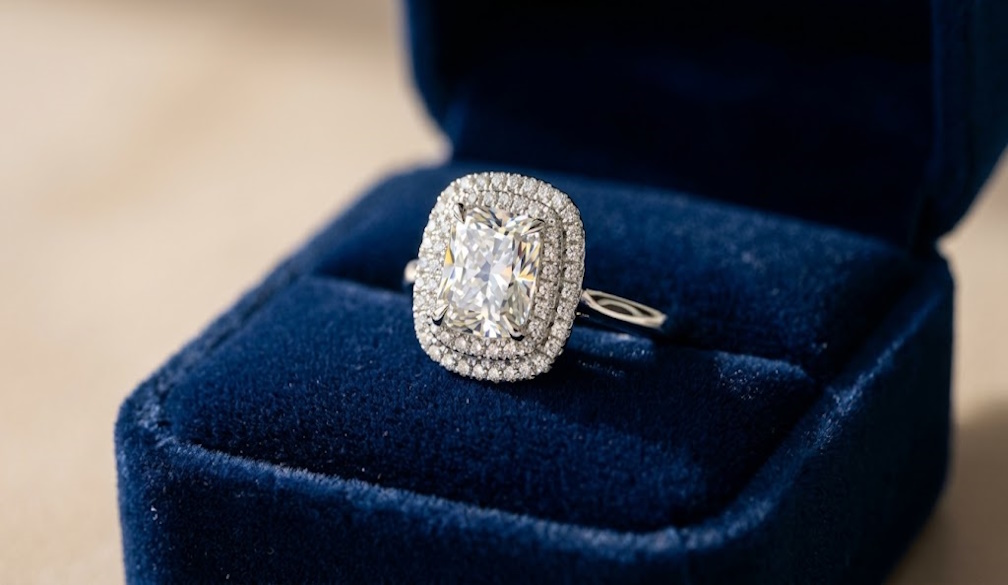
A cushion cut diamond engagement ring uses a stone with rounded corners and curved sides, shaped like a pillow. The outline can be almost square or more rectangular, and the facets sit in a pattern that gives the diamond a soft, glowing look.
The shape has a long history, and it has been used in antique jewellery for generations. That is part of its appeal. It suits people who like a vintage feel as well as people who want a softer take on a modern ring.
Compared with a round diamond, a cushion cut has larger facets and a gentler pattern of light. It does not flash as sharply, but it has a warm, rich glow that many people find easier to wear every day.
Facet styles and how they look
Not every cushion cut looks the same, and this is the most useful thing to understand before you shop. The facet pattern changes how the stone handles light.
Some cushion cuts have larger, broader facets that give bold flashes of light and dark. This look is often called chunky, and it has a clear, classic feel.
Others have many small facets that create a soft, sparkling effect, similar to crushed ice. These stones look lively and glittery, and they tend to hide small marks well.
Neither style is better. It comes down to taste, so ask the jeweller to show you both side by side. A diamond that looks great in one style may not suit you in another, even with the same grades.
Cut quality and proportions
Cut quality affects how bright the diamond looks. Good proportions let light move through the stone evenly, while poor ones can leave dark or dull areas.
Ask the jeweller to explain the depth and table size in the grading report. A stone that is too shallow can look glassy, and one that is too deep can look dark and small from above.
Because cushion cuts vary so much, the report alone does not tell the full story. Look at the diamond in person, or ask for a close video in different lighting, so you can judge how it looks to the eye.
Length-to-width ratio
The length-to-width ratio is how much longer the stone is than it is wide. A ratio close to square gives a classic, balanced look, while a longer ratio is slimmer and more elegant on the finger.
There is no correct ratio. Some people like the soft square, and others prefer a rectangular cushion, often called an elongated cushion. Look at a few shapes on the hand and see which one feels right.
Colour and clarity
Colour matters in a cushion cut. The larger facets and the stone's depth can make colour more noticeable than in a round diamond, so a slight yellow tint may be easier to see. If you prefer a white, bright look, view the stone next to the metal you plan to use.
Metal affects how colour appears. A white metal can make a diamond look cooler, and yellow or rose gold can hide a hint of warmth. Some people choose a slightly warm stone on purpose, since it suits the vintage feel of the cut.
For clarity, look for a diamond that looks clean to the naked eye. Stones with many small facets hide marks well, while those with larger facets show them more easily. Ask the jeweller where any marks sit, and how visible they are.
Settings that suit a cushion cut
A cushion cut works with many settings. A solitaire keeps the focus on the stone and suits its soft lines. A halo surrounds the stone with small diamonds, which adds sparkle and makes the centre stone look larger.
A hidden halo places small diamonds under the main stone, so they show only from the side. A three-stone ring adds a diamond on each side of the centre stone for a balanced look.
Think about how the stone is held. Claws hold the diamond with small metal points and let in the most light. A bezel wraps metal around the stone, and it is low and protective, which suits people who work with their hands or play sport.
Rounded corners are less likely to catch than sharp ones, but they can still chip, so ask the jeweller how the setting protects the stone.
Choosing a metal and band
Metal changes the mood of the ring. Yellow gold looks warm and classic, and it suits the vintage feel of a cushion cut. White gold and platinum look cool and modern, and rose gold is soft and romantic.
Think about the band as well. A thin band keeps the focus on the stone, and a wider one looks bold. A pavé band, set with small diamonds along the shank, adds sparkle along the whole ring, though it can limit resizing.
Certification and checking the stone
Ask for a grading report and check that the details match the diamond you are shown. The report records the cut, colour, clarity and weight, and it gives you a record of what you are buying.
Ask whether the diamond is natural or lab-grown, and what that means for price and origin. Both are real diamonds, but they differ in how they are formed, and knowing which one you are being offered lets you compare fairly.
Budget, size and aftercare
Set a budget before you look and decide which qualities matter most. For a cushion cut, many buyers put the look of the stone first, then balance colour, clarity and size.
Get the ring size right, and ask about resizing before you buy. Find out what the warranty covers and how cleaning and repairs are handled. A ring is worn every day for many years, so aftercare matters.
Mistakes to avoid
The most common mistake is choosing on the grades alone. Two cushion cuts with the same grades can look very different, so look at the stone itself.
Another is overlooking colour. A cushion cut can show warmth more than a round diamond, so check it against the metal you plan to use.
Finally, do not forget the wearer. The ring should suit their taste and lifestyle, not only your idea of what looks impressive.
Making your choice
Look at the stone in person or on video, choose a facet style and ratio you like, and check colour and clarity by eye. Match the setting and metal to the wearer's lifestyle, confirm the certification and ask about aftercare before you buy.
Frequently asked questions
What is the difference between a cushion cut and a round diamond?
A cushion cut has a soft, pillow-like outline with larger facets and a gentle glow. A round diamond has a circular outline and many small facets that give sharper sparkle.
Do cushion cut diamonds show colour more easily?
They can. The larger facets and depth can make a slight tint easier to see, so view the stone next to the metal you plan to use before you decide.
Is a cushion cut a good choice for everyday wear?
Often, yes. The rounded corners and softer outline suit daily wear, and a low setting or bezel adds protection. Ask the jeweller which setting suits your lifestyle.