How Breathable Hunting Clothing Lets You Track Longer
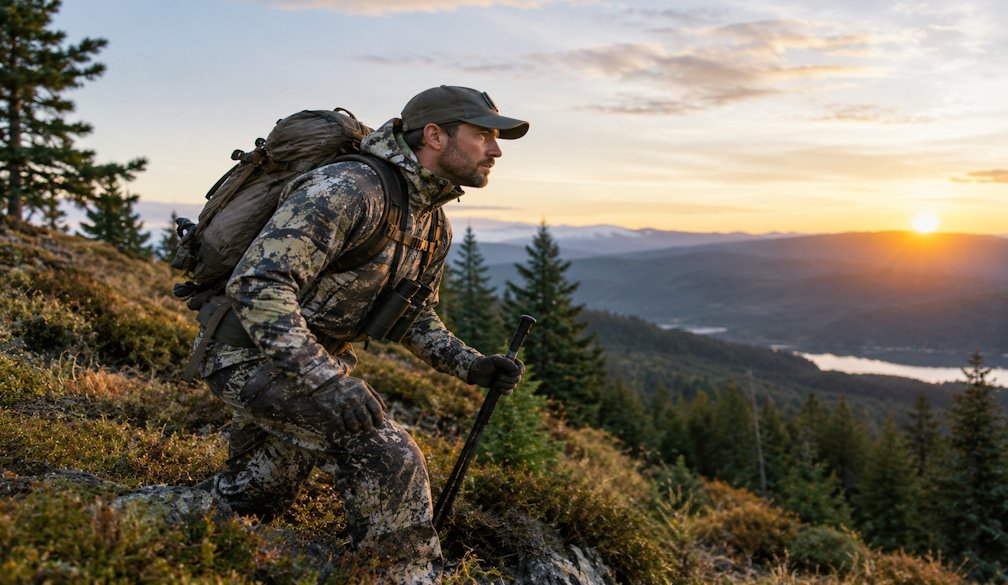
Enduring the harsh Australian bush requires gear that feels comfortable, especially when stalking game across rugged terrain for hours on end. Traditional heavy woollens and non-porous synthetics trap body heat and sweat, turning your garments into a soggy sauna that drains your stamina and leaves you shivering when you stop to glass.
Equipping yourself with specialised hunting clothing in Australia that features advanced moisture-management technology allows you to regulate your core temperature, stay dry, and maintain focus throughout long days in the field.
How Moisture Management Changes Body Performance Outdoors
Working hard in the field naturally produces sweat. That part is unavoidable. What matters more is what happens next. Modern technical fabrics are designed to move vapour away from the skin before it settles. Instead of sitting damp against the body, moisture is pushed outward through micro-engineered fibres that encourage airflow while still blocking wind and light rain. It’s a small shift, but you feel it during long climbs or when pausing after steady movement.
There’s a noticeable difference when conditions cool suddenly. Moisture stays off the skin, so sweat doesn’t blur your vision or drip onto your scope when aiming. The body feels steadier, focus holds longer, and performance stays more consistent across changing terrain without that distracting post-exertion chill.
Layering Systems That Adapt to Shifting Conditions
Bush weather rarely commits to a single pattern. A cold, misty morning can turn into a dry, sun-heavy afternoon with very little warning. That unpredictability makes static clothing setups unreliable.
Layering helps bridge that gap. A moisture-wicking base layer manages sweat at the source, while mid-layers hold warmth without suffocating airflow. Outer shells then step in when wind or light rain moves through the landscape.
At times, it’s less about removing layers and more about adjusting how they interact. A slight zip change or sleeve roll can shift comfort levels more than swapping entire garments. Simple, but effective when movement is constant.
Built for Scrub, Stone, and Unforgiving Terrain
Australian bushland is rarely gentle on fabric. Thick scrub, sharp branches, and rough rock surfaces test every seam and fibre. Reinforced panels have become a practical solution rather than a luxury. High-wear areas like knees and shoulders often carry additional protection, while ripstop weaves help prevent small tears from spreading. It’s the kind of detail you only appreciate after a few hard seasons in the field.
A short walk through dense brush can tell you everything you need to know about durability. Some garments feel light at first glance but hold up surprisingly well under pressure. Others look tough but fail early when exposed to repeated abrasion. The difference usually shows up sooner than expected.
Camouflage and Quiet Movement
Noise carries further than most hunters anticipate. A single rustle through dry leaves can shift animal behaviour instantly. Fabrics designed for reduced sound help minimise that risk. Instead of stiff synthetic noise, softer weaves move more naturally against vegetation. It’s a small advantage, but in close-range stalking, small margins matter more than they first appear.
Camouflage patterns also play a supporting role. Modern designs don’t just blend colour; they break up outline and depth perception across varied terrain. Eucalyptus forest, open plains, and alpine scrub each demand slightly different visual disruption, and well-designed gear accounts for those shifts.
Final Thoughts
Field performance has never depended on a single feature. It is shaped by how multiple elements work together in practice, from breathability and layering to durability and freedom of movement. When any one of these is off, focus tends to drift sooner than expected, no matter how strong the rest of the setup is. Once everything aligns, endurance improves in a more natural way.
You stay active for longer periods without feeling restricted, recover more efficiently between efforts, and maintain sharper decision-making when conditions start to shift. It is less about pushing harder and more about removing the friction that slows you down.