What to Do When a Storm Damages Trees on Your Property
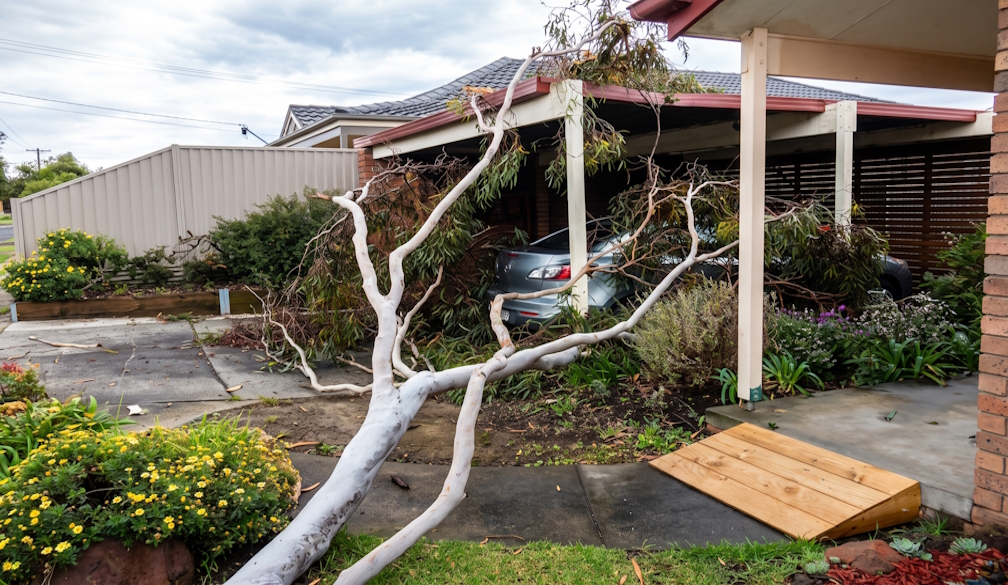
Storms can leave trees split, uprooted or dangerously weakened, creating risks for homes, vehicles and people. Strong winds and heavy rain can break large branches, expose roots or cause entire trees to fall unexpectedly. Knowing what to do after severe weather can prevent further damage and make the property safer. In serious cases, storm damage tree removal may be necessary, but safety should always come first.
Check the Area
Avoid immediately approaching damaged trees. Look for hanging branches, leaning trunks, exposed roots and cracked limbs. These can fall without warning.
Stay away from trees touching power lines. Do not attempt to cut branches near electrical cables, as this can create a serious electrocution hazard. Contact the relevant utility provider.
Assess Damage Before Taking Action
Once the area is safe, inspect the property for visible damage. A tree that has fallen completely may be easier to identify as a problem, but partially damaged trees can present greater risks because weakened sections may remain suspended.
Check nearby structures, fences, driveways and vehicles for damage. Photograph the affected areas before clearing anything if you may need to make an insurance claim.
Remove Immediate Hazards Carefully
Storm debris should not be removed. Large branches under tension can spring back unexpectedly when cut. Uprooted trees may also shift as weight is removed.
For small, loose branches on the ground, basic clearing may be manageable. However, large limbs, split trunks and leaning trees should be assessed by trained tree professionals. They can determine whether a tree can be stabilised, pruned or needs removal.
Protect Your Property from Further Damage
If a tree has damaged a structure, address the building damage as soon as possible. Temporary covering can protect exposed areas from rain until repairs are arranged.
Keep children and pets away from storm-damaged trees and debris. If access routes are blocked, create a safe alternative rather than walking underneath unstable branches.
Prepare for Future Storms
Storm preparation should begin before severe weather arrives. Keep emergency contacts available and know where utility shutoffs are located. This is especially important for properties with mature trees near buildings.
Regularly inspect mature trees for deadwood, weak unions, diseased branches and structural defects. Removing problematic branches during routine maintenance can reduce the amount of material that may fall during strong winds.
It is also useful to keep trees appropriately pruned and to avoid damaging their roots through excavation or soil disturbance. Healthy, well-maintained trees are generally better positioned to withstand difficult weather.
When Professional Help Is Needed
Professional assessment is particularly important when a tree is large, close to a building, uprooted, split or entangled with utility lines. Tree work can involve chainsaws, ropes, elevated equipment and considerable weight, making improper handling dangerous.
MD Tree Work approaches storm-related tree problems by considering the condition of the tree, surrounding structures and potential hazards before work begins. Seeking an assessment helps property owners understand whether pruning, support or removal is appropriate.
Conclusion
Storm damage can turn an otherwise healthy tree into a significant property hazard. Acting cautiously, documenting damage and arranging qualified assistance where necessary can reduce the chance of further injury or loss. With sensible storm season preparation and timely maintenance, property owners can also reduce the likelihood of fallen trees causing problems in future. When storm damage tree removal is required, prioritise safety and professional assessment rather than attempting hazardous work yourself.