Is Your Gate Playing Up? 7 Signs You Need a Gate Motor Repair.00.0
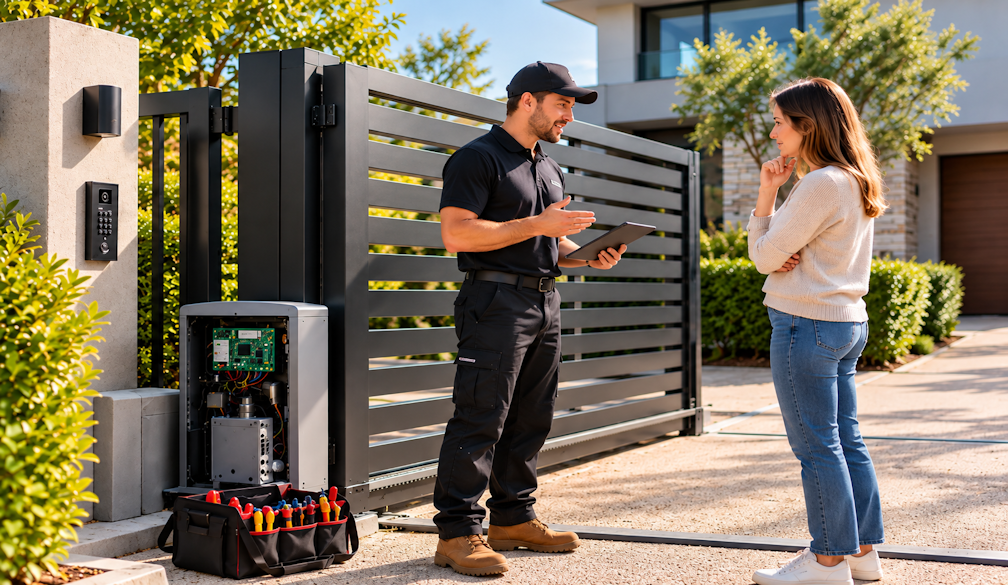
An automatic gate is one of those things you don't think about until it stops working. One day it glides open as you pull into the driveway, and the next it's groaning, stopping halfway or refusing to budge at all.
At the heart of every automatic gate is the motor. When it starts to struggle, the whole system is affected, and a small problem can quickly turn into a bigger, more expensive one.
Knowing the warning signs can help you act early. In many cases, a timely gate motor repair can get your gate working smoothly again before it fails completely.
Why Gate Motors Wear Out
Gate motors work hard. A typical household gate may open and close several times a day, every day of the year, in all kinds of weather.
Over time, gears wear, electrical components age and moving parts lose their smooth action. Heat, rain, dust and power surges can also take a toll, particularly on older motors or those exposed to the elements.
7 Signs Your Gate Motor Needs Attention
1. The Gate Moves Slowly
If your gate is taking noticeably longer to open or close than it used to, the motor may be straining. This can be caused by worn components, low power, a failing battery or extra resistance from hinges, wheels or tracks.
2. Grinding, Clicking or Humming Noises
Automatic gates shouldn't sound like a construction site. Grinding may indicate worn gears, while clicking or humming without movement can point to electrical problems or a motor that's struggling to engage.
3. The Gate Stops Halfway
A gate that starts to open and then stops partway can be frustrating and a security risk. The cause could be an obstruction, a misaligned sensor, incorrect limit settings or a motor that's overheating or losing power.
4. It Opens or Closes on Its Own
If your gate moves without being triggered, it may be caused by a faulty remote, receiver, control board or wiring. This should be checked promptly, as unexpected movement can be a safety hazard.
5. The Gate Reverses Unexpectedly
Many gates are designed to reverse if they detect an obstruction. If yours keeps reversing for no clear reason, the safety sensors or force settings may need adjusting, or the motor may be working harder than it should.
6. The Motor Feels Hot or Smells Burnt
A motor that overheats or gives off a burning smell needs attention straight away. Stop using the gate and have it inspected by a professional, as continued use could cause further damage.
7. Nothing Happens at All
If the gate won't respond to the remote, keypad or switch, the issue could be power, a blown fuse, a failed battery, damaged wiring or a faulty control board. Sometimes the motor itself has failed.
Common Causes of Gate Motor Problems
Gate motor faults can be caused by a range of factors, including:
- Power surges and storms: lightning and electrical surges can damage control boards
- Insects: ants and other insects sometimes nest inside motor housings and interfere with electronics
- Water damage: heavy rain can affect poorly sealed units
- Wear and tear: gears, bearings and components wear out over time
- Heavy or misaligned gates: extra strain from dragging or sagging gates shortens motor life
- Battery failure: backup batteries lose capacity with age
Simple Checks You Can Do Safely
Before calling a technician, there are a few basic checks most homeowners can do:
- Make sure the power is on and nothing has tripped at the switchboard
- Replace the batteries in your remote
- Check the track or gate path for rocks, leaves or debris
- Clean the safety sensors gently and check nothing is blocking them
- Look for visible damage to the gate, hinges or wheels
If these checks don't solve the problem, it's time to call in a professional. Avoid opening the motor housing or working on wiring yourself, as electrical work and gate adjustments can be dangerous.
Know How to Use the Manual Release
Most automatic gates have a manual release that allows you to open the gate by hand during a power outage or motor failure. Make sure everyone in the household knows where it is and how to use it safely.
If you're unsure how your manual release works, ask your technician to show you during the next service.
Repair or Replace?
Many gate motor problems can be repaired, especially if they're caught early. Replacing a worn part, fixing wiring or reprogramming controls can often restore normal operation.
However, if your motor is old, breaking down regularly or parts are no longer available, replacement may be the better long-term option. A technician can assess the condition of your system and explain your choices.
Maintenance Tips to Extend Motor Life
Regular care can help your gate motor last longer and perform better:
- Book a professional service at regular intervals
- Keep tracks, wheels and hinges clean
- Trim plants and grass away from the gate and motor
- Check the gate moves freely when disengaged from the motor
- Replace backup batteries as recommended
A well-balanced gate that moves freely puts much less strain on the motor.
Choosing a Gate Technician
Look for an experienced technician who works on a range of motor brands and gate types. They should diagnose the issue clearly, explain the repair options and provide transparent pricing.
Whether you need a quick fix or you're thinking about upgrading to new automatic gates, working with a local specialist means you'll have ongoing support for servicing and repairs.
Final Thoughts
A struggling gate motor rarely fixes itself. Slow movement, strange noises, sudden stops and overheating are all signs that something needs attention.
By acting early, keeping up regular maintenance and calling in professionals when needed, you can keep your gate running smoothly and avoid being stuck on the wrong side of your own driveway.