Planning a Restaurant-Grade Kitchen Upgrade for Your Australian Home
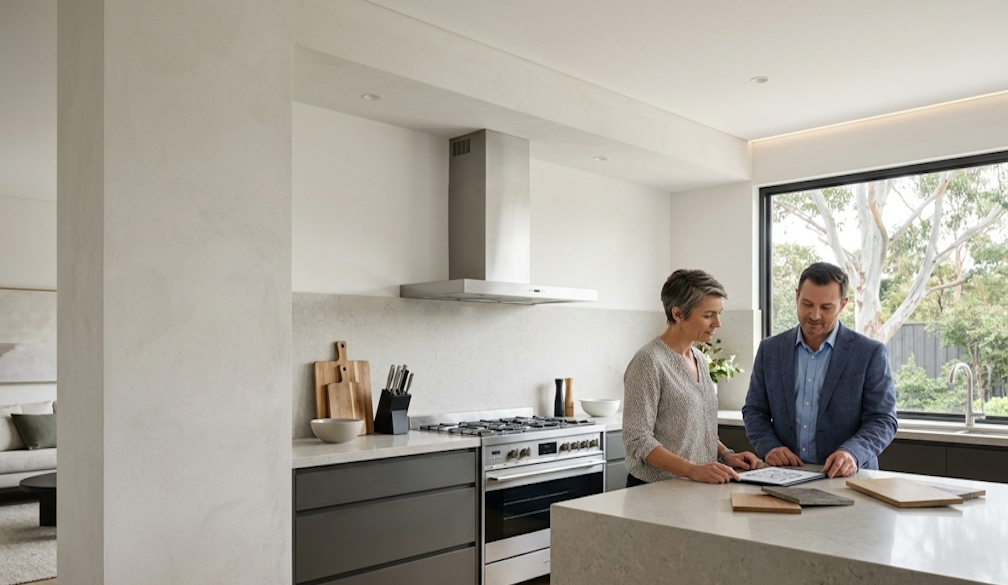
The kitchen is the undisputed heart of the Australian home. However, an increasing number of homeowners are moving beyond standard domestic setups, choosing instead to transform their culinary spaces into highly functional, restaurant-grade environments. Driven by a passion for gourmet cooking and entertaining, the industrial-chic kitchen trend introduces heavy-duty appliances, expansive prep zones, and professional-grade stainless steel fixtures. While this level of culinary power is a dream for enthusiastic home chefs, turning a standard residential space into a commercial-style powerhouse requires meticulous planning, a significantly expanded budget, and strict adherence to Australian building codes.
Budgeting for a Bespoke Culinary Space
Before tearing out your existing cabinetry, it is vital to understand the financial and structural realities of an industrial kitchen upgrade. The Housing Industry Association notes that while a median kitchen update sits around $35,000, high-end architectural fit-outs featuring chef-grade amenities frequently exceed $130,000. It is crucial to evaluate the pros and cons of custom-made kitchens you need to know to ensure your design choices align with your long-term renovation budget. Custom cabinetry and durable benchtops typically consume up to 40 percent of these funds, meaning homeowners must meticulously plan their remaining capital to cover specialised utility upgrades.
Furthermore, recent material trends have shifted dramatically to accommodate these high-end fit-outs. Following the 2024 national ban on high-silica engineered stone, premium Australian kitchens are rapidly pivoting to zero-silica alternatives and advanced large-format porcelain benchtops. These modern surfaces provide the extreme heat and scratch resistance required for heavy-duty meal prep zones, delivering commercial durability without sacrificing residential aesthetic appeal.
Upgrading Utility Infrastructure for Heavy-Duty Appliances
Installing commercial catering equipment in a residential setting involves much more than simply plugging in a new oven. Industrial ranges, multi-chamber combi ovens, and high-pressure dishwashers place immense demand on your home utility networks. Because these appliances require high-capacity water lines, complex drainage retrofits, and expanded gas pipework, consulting with Commercial plumbing specialists is essential. These experts ensure that large-scale infrastructure, specialised pressure regulators, and commercial isolation valves are safely integrated into a domestic environment, avoiding the limitations of standard residential plumbing setups.
The physical weight and operational intensity of these appliances also introduce hidden structural demands. A multi-burner commercial range can easily weigh between 200kg and 400kg, often necessitating significant structural reinforcement of your standard residential flooring joists. Additionally, high-capacity commercial dishwashers boast rapid wash cycles that demand much larger drainage pipes and higher incoming water pressure than typical domestic models, making proper pipework retrofits absolutely critical for long-term reliability.
Navigating Strict Australian Building Codes
Safety and regulatory compliance are non-negotiable when introducing high-output gas and water systems into a residential property. Upgrading to chef-quality appliances triggers strict safety protocols under Australian Standards. Local councils often evaluate high-capacity home kitchens using commercial frameworks, meaning domestic fit-outs must adhere to stringent industrial criteria.
When planning your restaurant-grade kitchen, you must account for several critical regulatory requirements:
-
Gas Clearance Adjustments: The updated AS/NZS 5601.1:2022 Gas Installations standard mandates increased overhead clearances between gas cooking appliances and rangehoods. Clearances must now be calculated from the highest point of the burner, specifically including elevated wok trivets, rather than just the cooktop surface.
-
Ventilation and Fire Safety: The use of commercial catering equipment completely prohibits semi-rigid gas connectors. It requires mandatory protections for adjacent combustible surfaces, alongside localized emergency isolation valves and specific fire safety interlocks.
-
Water and Drainage Standards: Industrial wash stations and dishwashers require specialized plumbing hardware that can safely handle commercial capacities without compromising the household system.
In addition to gas and fire regulations, strict water supply compliance is required. According to Master Plumbers, specialised high-capacity fixtures must hold WaterMark certification to meet the deemed-to-satisfy requirements of the National Construction Code, often mandating specific backflow prevention devices installed by licensed professionals.
Balancing Power with Practicality
To manage the massive ambient heat output and intense ventilation requirements of traditional open-flame commercial ranges, many homeowners are embracing modern hybrid solutions. There is a rising trend of installing dual-fuel lines or high-capacity commercial induction cookers in luxury Australian residential kitchens. These advanced induction systems deliver the rapid heating capabilities of a commercial kitchen while maintaining a cooler, safer, and more energy-efficient environment for family living.
Designing a restaurant-grade kitchen in your home is an exciting architectural achievement that elevates both your daily cooking experience and your property value. By setting a realistic budget, understanding the structural demands, and engaging the right industry professionals to handle complex utility upgrades, you can safely bring the power and precision of a professional culinary space directly into your own home.