How to Prepare for Radiofrequency Ablation and Spider Veins Treatment in Sydney
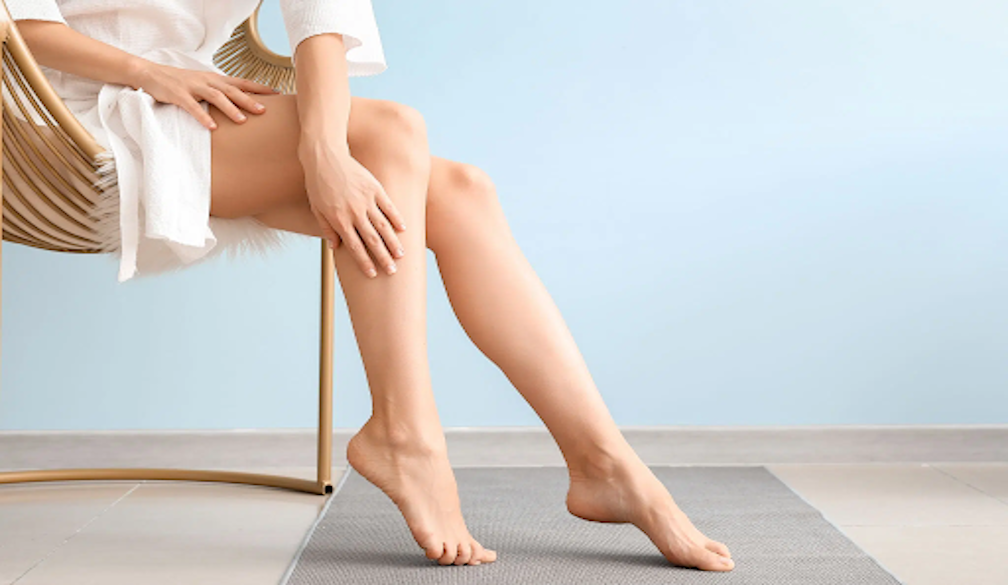
Many people across New South Wales seek ways to address visible leg veins for both cosmetic and comfort reasons. If you are planning a Sydney spider veins treatment, knowing what to expect can make your upcoming appointment much more comfortable. Modern vein clinics offer highly effective, minimally invasive options to restore clear skin and improve your overall vascular health. Among these advanced options, radiofrequency ablation stands out as a leading solution for larger underlying vein issues. Proper preparation ensures a smooth procedure and an efficient recovery. This guide outlines the essential steps to prepare for your vein treatments, helping you achieve the best possible results from your scheduled clinic visit.
Understanding Your Treatment Options
Before you attend your appointment, it helps to understand how these modern vascular procedures work. A standard Sydney spider veins treatment typically targets the tiny, damaged blood vessels near the surface of your skin. Clinicians often use sclerotherapy, where they inject a specialised solution directly into the tiny veins, causing them to shrink and fade over several weeks. However, if your spider veins stem from deeper venous insufficiency, your vascular specialist might recommend radiofrequency ablation first. This technique uses thermal energy to seal shut larger, malfunctioning veins deeper in the leg, redirecting blood flow to healthier pathways.
The Link Between Deep and Surface Veins
Treating surface-level spider veins without addressing the deeper feeder veins often leads to poor long-term results. By utilising high-frequency electrical currents, the ablation procedure shuts down the high-pressure areas that cause surface veins to bulge in the first place. Your clinician will perform an ultrasound scan during your initial consultation to map your venous system. This scan determines whether you need a combination of surface treatments and deeper thermal therapies. Understanding this dual approach helps you set realistic expectations for your treatment plan and appreciate why your specialist might recommend a multi-step process to clear your legs.
Initial Consultation and Medical History
Your preparation begins weeks before the actual procedure during your initial consultation at the clinic. You must provide your vascular specialist with a complete list of your current medications, dietary supplements, and overall medical history. Certain blood-thinning medications, including aspirin, ibuprofen, and some herbal supplements, can increase the risk of bruising after your Sydney spider veins treatment. Your practitioner will advise you on whether to temporarily pause these medications or adjust your dosage in the days leading up to your session.
Disclosing Relevant Health Conditions
Be sure to mention any history of blood clots, deep vein thrombosis, or skin infections. If you have a pacemaker or other implanted cardiac devices, this information is critical, especially if you are undergoing radiofrequency ablation, which relies on electrical currents. Your specialist will also evaluate your skin integrity to ensure there are no active rashes or infections in the target area. This thorough assessment guarantees that your treatment plan is tailored to your specific health profile, reducing the risk of complications and ensuring a seamless recovery process. Additionally, this is the perfect opportunity to ask questions about compression garments, which play a vital role in your post-treatment care.
Practical Steps for the Day of Treatment
On the day of your procedure, simple practical adjustments can significantly improve your comfort levels. Wear loose-fitting, comfortable clothing, such as wide-leg trousers or a long skirt, as your legs will likely be wrapped in bandages or fitted with tight compression stockings immediately after the session. Avoid applying any moisturisers, body lotions, oils, or tanning products to your legs on the morning of your treatment. Clean, dry skin allows the clinical team to apply ultrasound gel, antiseptic solutions, and adhesive dressings securely to your skin.
Hydration and Nutrition
Eat a light meal or snack before heading to the clinic, and stay well-hydrated by drinking plenty of water. Adequate hydration keeps your veins accessible and prevents dizziness during and after the procedure. It is also wise to arrange a ride home. While local anaesthetic is used during radiofrequency ablation, and you will be able to walk immediately afterwards, having someone drive you home reduces physical exertion and stress. If your treatment focuses solely on surface-level spider veins, you can usually drive yourself, but checking with your clinic beforehand remains the safest approach to plan your day effectively.
What to Expect During the Recovery Phase
Post-treatment care is just as important as the preparation phase for achieving optimal vascular health. Immediately following your Sydney spider veins treatment, you will wear medical-grade compression stockings. These garments maintain pressure on the treated veins, preventing blood from pooling and encouraging the body to absorb the closed vessels. Most clinics advise wearing these stockings continuously for the first few days, removing them only for quick, cool showers as directed by your clinical team.
Staying Active Safely
Walking is highly encouraged immediately after your session. Aim for a gentle thirty-minute walk daily to promote healthy circulation and prevent blood clots from forming in your deep veins. However, you must avoid strenuous activities, heavy lifting, and high-impact workouts for at least one to two weeks. Similarly, avoid hot baths, saunas, and direct sun exposure on your legs, as heat can cause blood vessels to dilate and interfere with the healing process. Minor bruising, mild swelling, and a sensation of tightness along the treated vein are completely normal side effects that typically resolve within a fortnight. If you experience any sudden pain or unusual swelling, contact your clinic immediately for professional guidance.
Choosing the Right Clinic in Sydney
Selecting an experienced vascular clinic is the most critical step in your preparation journey. Look for a facility that employs qualified vascular surgeons or phlebologists who specialise in modern vein therapies. A reputable clinic should offer a comprehensive diagnostic ultrasound during your first visit to pinpoint the exact source of your vein issues. This ensures that you receive a personalised treatment plan rather than a one-size-fits-all cosmetic fix.
Evaluating Clinic Credentials
When researching clinics, check for accreditation with relevant Australian medical boards and read reviews from previous patients. Ask the staff about the technology they use, ensuring they have up-to-date equipment for thermal therapies and sclerotherapy. A high-quality clinic will provide clear pre-operative instructions and a detailed post-treatment care plan. They should also be transparent about the estimated costs and any potential Medicare rebates available for medical-grade vein procedures. By choosing a professional, patient-focused team, you can approach your procedure with confidence, knowing you are receiving safe and effective care. Taking the time to select the right clinic ensures that your path to healthier, clearer legs is both safe and highly successful.
Conclusion
Preparing for your vascular procedure does not have to be overwhelming. By understanding the difference between surface-level therapies and deeper treatments, communicating openly with your specialist, and following simple practical steps on the day, you set yourself up for a comfortable experience and an optimal recovery. Following your post-treatment care plan, including wearing compression stockings and staying active, will ensure you get the best possible results from your session. With the right preparation and a qualified clinical team guiding you, you can look forward to healthier legs and restored confidence. Taking these proactive steps ensures your journey to clearer skin is smooth and successful.