Why Every Multi-Family Project Needs a Specialized Real Estate Development Marketing Company
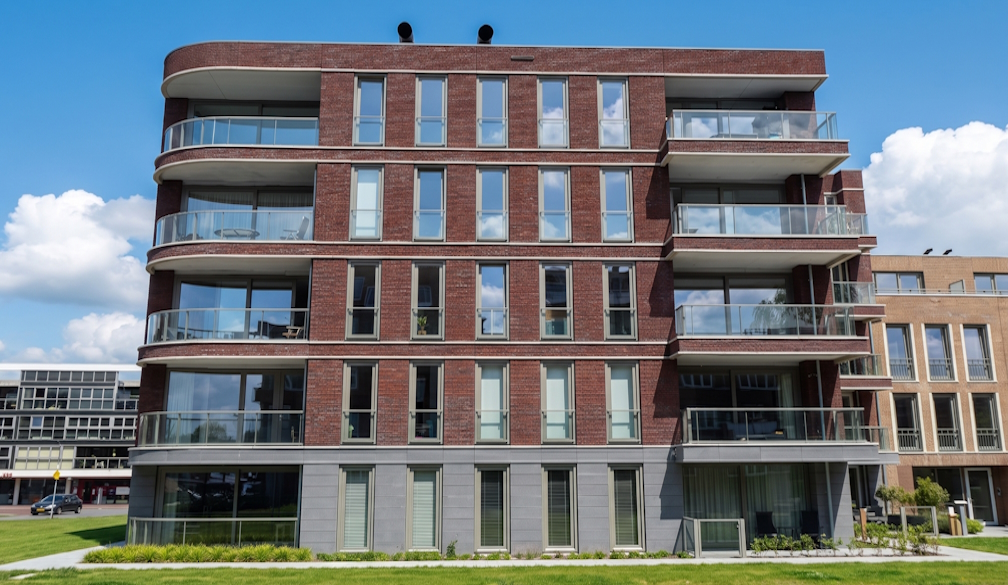
Multi-family projects have a harder marketing job than most individual residential properties. A single development may need to lease or sell dozens, hundreds, or even thousands of units while competing with existing stock, new construction, and changing local demand. A specialized real estate development marketing company understands that marketing has to support absorption, pricing, financing milestones, and the project timeline at the same time. Generalist agencies can produce ads or creative assets, but they may need months to learn the difference between pre-leasing, stabilization, concessions, unit mix, and occupancy targets. Developers can review a prospective partner’s company website for relevant work, but the real test is whether the team understands how marketing decisions connect with asset performance.
Current market data shows why that distinction matters. The U.S. Census Bureau reported a national rental vacancy rate of 7.3% in the second quarter of 2026. In July 2026, starts for units in buildings with five or more units were running at an annualized rate of 421,000. These figures do not describe every local market, but they show that new supply and available inventory can pressure absorption. Slow leasing or sales can affect carrying costs, lender expectations, and stabilization. Specialist marketing cannot remove market risk, but it can make the demand strategy more informed.
How a Real Estate Development Marketing Company Brings Deep Industry Knowledge
Real estate has its own commercial language and operating constraints. A specialist team should understand the difference between traffic and qualified demand, between occupancy and economic occupancy, and between an attractive campaign and one that supports the developer’s actual release plan. A property development marketing agency also needs to work around construction dates, phased handovers, pricing changes, amenity openings, planning restrictions, and local advertising rules without treating every change as an unexpected disruption.
That knowledge shortens the gap between briefing and useful execution. The agency can ask better questions from the start: Which unit types carry the most inventory? Is the project trying to maximize rent, accelerate lease-up, protect price, or balance several objectives? Which milestones matter to lenders or investors? These questions shape the campaign more directly than broad discussions about reach.
A specialist should also know where its expertise stops. Zoning, fair housing compliance, legal disclosures, and financing requirements need input from the appropriate professionals. Marketing’s role is to work within those constraints and keep the message accurate. This reduces the risk of costly creative pivots caused by misunderstandings that could have been identified during strategy and onboarding.
Navigating Complex Multi-Family Target Demographics and Buyer Personas
One building can serve several distinct audiences. A studio near a transit hub may appeal to a young professional, while a larger two-bedroom unit in the same development may attract a couple planning for a child, roommates, or a downsizing household that wants an urban location without maintaining a house. Treating those prospects as one generic audience usually produces vague messaging.
A real estate development marketing agency can segment demand by life stage, location, budget, household structure, commuting pattern, purchase or rental intent, and the features that matter most to each group. That does not mean inventing a separate brand for every segment. The project still needs one clear identity. But individual campaigns can emphasize different parts of the same offer, such as coworking space for remote professionals, schools and storage for families, or accessibility and services for older residents.
Good persona work should be based on evidence, not stereotypes. Search data, inquiry patterns, broker or leasing feedback, competitor performance, local demographics, and CRM data can show where assumptions are wrong. A real estate and new development marketing agency should keep refining the segments after launch as real prospects begin to respond. This is especially useful in a multi-unit project because the strongest audience for one unit type may not be the best audience for another.
High-Yield Digital Acquisition Strategies for Multi-Unit Properties
Multi-family marketing needs a reliable flow of prospects over a long period. A launch burst can build awareness, but it doesn't solve the challenge of maintaining qualified demand through pre-leasing, phased releases, construction delays, and the final stretch toward stabilization. Digital acquisition works best as a connected system, not a collection of independent channels.
Essential Digital Marketing Pillars for Multi-Family Assets:
- Hyper-local Search Engine Optimization (SEO) focused on apartment, condo, neighborhood, and intent-driven queries.
- Geo-targeted Pay-Per-Click (PPC) campaigns managed against qualified inquiry and acquisition costs rather than clicks alone.
- Data-informed paid social and programmatic campaigns tailored to relevant locations, life stages, and approved audience signals.
- Automated Customer Relationship Management (CRM) workflows that segment, nurture, and route prospects by stage and intent.
The value comes from integration. A prospect may see a social ad, return through search, view floor plans, register, and later schedule a tour. Strong property development marketing services connect those interactions in the CRM so the team can evaluate the full path rather than crediting the last click. The same data can show which sources produce tours, applications, reservations, or contracts instead of simply cheap leads.
Budgets should move as the inventory changes. If one unit type is absorbing quickly while another is lagging, campaigns can be adjusted without rebuilding the whole strategy. Developers comparing top marketing agencies for real estate development and construction services should therefore ask how reporting ties channel spend to unit-level or phase-level commercial goals. A good dashboard is useful, but the ability to explain what to change next matters more.
Architectural Visualization and Immersive Off-Plan Marketing
Before completion, prospects cannot judge a residence in the normal way. They cannot stand in the living room, look out of the actual window, or walk from the lobby to the amenity deck. Architectural visualization reduces that information gap. Photorealistic renderings can show materials, landscaping, proportions, views, and common areas in a form that is easier to understand than plans alone.
A property development marketing company can combine still CGI with interactive floor plans, virtual tours, 360-degree experiences, and cinematic animation depending on the sales or leasing journey. The purpose should determine the format. A short animation may work well to introduce the overall lifestyle and masterplan, while an interactive unit selector is better for comparing layouts and availability. High-resolution stills may carry more weight in paid media, brochures, and listing portals.
Accuracy matters as much as visual appeal. Renderings should reflect approved specifications and avoid presenting unconfirmed views, materials, or amenities as finished facts. Immersive content can help prospects better understand an unbuilt space, but it cannot guarantee they will pay a premium or sign earlier. Its practical value is in reducing uncertainty, supporting remote consideration, and giving leasing or sales teams a shared visual reference during conversations.
Maximizing Absorption Rates and Protecting Long-Term Asset Value
Absorption is where marketing connects most clearly with the economics of a multi-family project. Empty units generate no rent or sale proceeds, while debt service, operations, taxes, and other carrying costs continue. At the same time, pushing for occupancy at any price can weaken effective rents or undermine positioning. The marketing team therefore needs to work with development, leasing, and asset management rather than optimizing a campaign in isolation.
A specialist can track how demand changes by unit type, price point, channel, geography, and funnel stage. If tours are strong but applications are weak, the issue may be pricing, qualification, product fit, or the on-site experience rather than lead volume. If one-bedroom inventory is moving while larger units lag, you can adjust the message and media mix. This is more useful than applying the same acquisition target across every unit.
Market conditions also matter. With the national rental vacancy rate at 7.3% in Q2 2026, developers cannot assume that supply will be absorbed simply because a building is new. Local conditions can differ sharply, so project decisions still require local data. Marketing supports asset value when it helps the team identify real demand and reach stabilization with fewer avoidable funnel gaps.
Conclusion
Multi-family developments need more than attractive branding and a steady stream of digital ads. Their marketing has to account for unit mix, local competition, construction milestones, leasing or sales targets, changing inventory, and multiple buyer or renter segments. That requires real estate fluency that a generalist agency may not have. Specialist teams can bring market research, audience segmentation, CRM discipline, and architectural visualization into one demand system.
The goal is not to promise a specific absorption rate or higher returns. Market supply, pricing, financing conditions, product quality, location, and the sales or leasing team all influence performance. The advantage of specialization is better alignment: campaigns can be planned around the asset’s real commercial milestones and adjusted as market evidence develops. For developers managing large multi-unit projects, choosing a capable real estate development marketing company can reduce avoidable marketing risk, improve decision-making, and give the project a more disciplined path from pre-launch through stabilization.