


Outdoor Entertaining Ideas for a Stylish, Functional Backyard
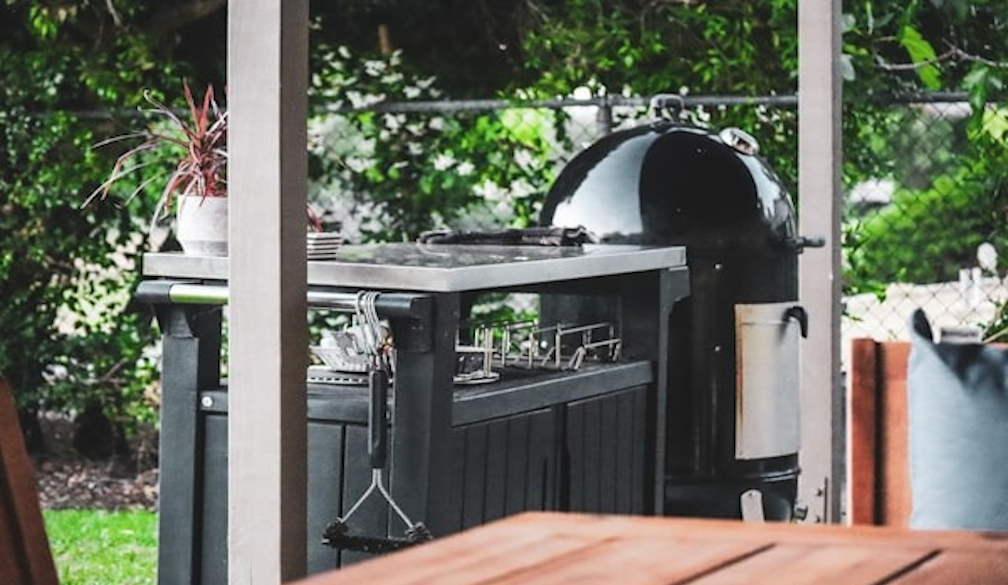
Outdoor entertaining ideas work best when the space is planned around how people actually move, cook, eat, and relax. For Australian homes, that usually means clear zones, reliable shade, simple lighting, and materials that can handle heat, UV, rain, and coastal air.
You do not need a large yard or a full renovation.
A compact balcony, narrow courtyard, or older patio can become easier to use when you work in layers: measure first, choose one priority zone, then add pieces that make the space comfortable across more of the year.
This guide walks through practical alfresco essentials by zone, with options for renters, homeowners, small spaces, and different climates.
Key Takeaways
- Zone your space first. Separate cooking, dining, lounging, and utility areas so guests can move easily and the host stays connected.
- Layer shade, light, and heat. These three elements decide whether the area works in both summer and winter.
- Choose outdoor-rated appliances. Indoor fridges, lighting, and fittings are not designed for exterior conditions.
- Keep maintenance realistic. Hardy materials and native plants reduce upkeep and usually perform better in local weather.
Plan Your Layout by Zones
Before buying furniture or appliances, sketch a rough layout. Measure the total space, mark doorways, windows, and any fixed services such as gas, water, or power. Then assign zones based on how you entertain.
- Small spaces such as balconies and courtyards under 15 square metres: Combine cooking and dining in one area. Use a fold-down bar leaner or wall-mounted shelf for prep, then keep one lounge chair or bench as the relax zone.
- Medium yards from 15 to 40 square metres: Separate cooking from dining with at least a metre of clearance for traffic flow. Add a lounge corner with modular seating that can be rearranged when guest numbers change.
- Narrow or L-shaped spaces: Run zones along the longest wall to keep the centre open. Place the cooking zone closest to the kitchen door for easy access to supplies, plumbing, and power.
Renters can use the same zoning approach with freestanding furniture, portable screens, outdoor rugs, and no-drill shade options such as freestanding umbrellas. Permanent fixtures are not essential.
If you are watching house and garden trends in Australia, indoor visibility is worth noting. A dining zone that can be seen from a window or sliding door makes hosting feel less isolated and helps you monitor the space while preparing food inside.
The Cook Zone
A dedicated cooking area is the anchor of many Australian outdoor entertaining setups. The main decision is fuel type and how permanent the installation can be.
- Gas BBQ: A common choice for households that entertain often. Fixed gas BBQ installations should be handled by a licensed gasfitter and comply with relevant standards, including AS/NZS 5601.1.
- Pizza oven: Freestanding wood-fired or gas models suit medium yards. Position them away from fences, overhanging branches, and doorways.
- Portable induction cooktop: A practical option for renters if you have a weatherproof power outlet and a stable, flat surface.
Regardless of fuel type, keep the cook zone at least a metre from windows and doors where possible to manage smoke and heat. Always check the manufacturer guidelines for the clearances required around your appliance.
Keeping Food and Drinks Cool
An outdoor-rated bar fridge saves trips to the kitchen and keeps drinks close to the dining area. The key term is outdoor-rated. Standard indoor fridges are not built for temperature swings and can overheat or fail when placed outside.
Choose a unit made for outdoor use and follow the manufacturer ventilation requirements, especially if it sits inside a cabinet or under a bench. A shaded alcove or vented cabinet on the south side of a wall is usually better than a position in direct sun.
For renters or smaller budgets, an insulated cooler cart on wheels is a simple alternative that stores neatly when not in use. When comparing bar fridges, BBQs, pizza ovens, heaters, and similar outdoor living essentials, match each item to your climate, available power, and storage space.
Shade and Weather Protection
Australian UV levels make shade important from roughly October through March. Options vary in cost, permanence, and maintenance.
- Pergolas and louvred roofs: Suitable for homeowners planning a long-term setup. Homes in bushfire-prone areas should use BAL-appropriate materials under AS 3959 and local planning rules.
- Shade sails: Cost-effective and removable, with UV-stabilised fabrics available. They need proper tensioning and suitable fixing points to handle wind.
- Freestanding umbrellas: A simple renter-friendly option. Choose a weighted base rated for the wind gusts common in your area.
Coastal properties should prioritise materials that resist salt air corrosion, such as marine-grade stainless steel, powder-coated aluminium, or treated hardwood.
Seating and Surfaces
Modular outdoor sofas are useful because they can be reconfigured for two people or a larger group. Storage benches also work hard, giving you extra seating while hiding cushions, throws, or small garden tools.
For wet areas near a pool or garden tap, choose tiles or pavers with a slip-resistance rating suitable for exterior use, following AS 4586 guidance. If entertaining near a pool, keep furniture and climbable objects away from pool barriers and check your state rules before rearranging the area.
Renter-friendly alternatives include outdoor rugs to define zones on concrete, foldable dining sets that store flat, and stackable stools for extra guests.
Lighting Plan
Good outdoor lighting works in three layers.
- Ambient: String lights or solar lanterns set the mood across dining and lounge zones. LED options use less energy and last longer than incandescent bulbs.
- Task: A focused light near the BBQ or prep bench helps the cook see clearly after dark.
- Path: Low-voltage path lights guide guests around steps, pool edges, or uneven ground.
Any hardwired outdoor lighting or new exterior power outlet should be installed by a licensed electrician, meet AS/NZS 3000, and include RCD protection with weather-appropriate fittings. Solar and battery-powered lights are a straightforward DIY alternative for many homes.
Greenery That Works Hard
Plants add privacy, soften hard surfaces, and bring colour without major cost. Low-water Australian natives such as lomandra, westringia, and kangaroo paw perform well in many climates with limited attention.
Group herbs such as rosemary, mint, and basil in pots near the cook zone for easy access. For screening, try lily pilly, star jasmine on a trellis, or large pots clustered along a boundary wall. A drip line or soaker hose on a timer keeps watering manageable.
Small-Space Outdoor Entertaining Ideas
Limited square metres do not have to limit the guest list. A few practical choices can make a balcony or courtyard comfortable for four to six people.
- Mount a vertical garden on one wall for greenery without losing floor space.
- Use a bar leaner along a railing as both a prep surface and a dining spot.
- Choose stackable stools that tuck under a bench when not needed.
- Add a collapsible prep cart on castors that rolls out for gatherings and stores away afterwards.
Seasonal Refresh Checklist
A seasonal check keeps the area useful without turning maintenance into a major project.
- Summer, December to February: Check shade structures, restock sunscreen and insect repellent, and make sure the bar fridge has adequate ventilation.
- Autumn, March to May: Clear pergola gutters, oil timber furniture, and store cushions that will not be used over winter.
- Winter, June to August: Add a gas or electric outdoor heater and layer throws on seating. If you use a solid-fuel fire pit, check Total Fire Ban rules and local restrictions before lighting it.
- Spring, September to November: Pressure-wash pavers, refresh potting mix, plant new herbs, and test all outdoor lighting before the entertaining season ramps up.
Quick-Start Checklist
If you want a simple starting point, work through the essentials in this order.
1. Measure your space and sketch the main zones.
2. Pick one priority zone, usually cooking or dining, and invest there first.
3. Set up shade for summer and a heating option for cooler months.
4. Layer ambient, task, and path lighting.
5. Add storage, such as a bench seat, weatherproof box, or under-BBQ cabinet.
6. Finish with textiles, outdoor rugs, and grouped pots of greenery.
Late-night noise from outdoor gatherings is regulated by state EPAs and local councils. Permitted hours and noise limits vary, so check your local rules before hosting.
Bringing It All Together
A few thoughtful, zone-based upgrades can turn a bare patio or tired courtyard into a space you use more often. Start with the zone that matters most to the way you entertain, then add shade, lighting, storage, and greenery over time.
Good outdoor entertaining ideas are less about spending heavily and more about planning well, choosing materials that suit your climate, and making each piece earn its place.
FAQ
These common questions can help you check practical details before you buy, build, or rearrange your outdoor area.
How do I plan a small alfresco layout?
Measure the full space and note fixed features such as doors, railings, drains, and power points. Choose one primary zone, usually dining, and one secondary zone, such as cooking or lounging. Foldable, stackable, and movable pieces keep the floor plan flexible.
What materials are low-maintenance in Australian conditions?
Powder-coated aluminium, marine-grade stainless steel, and composite decking handle UV, rain, and salt air well with limited upkeep. For cushions and umbrellas, look for outdoor fabrics designed to resist fading. Durable hardwoods such as spotted gum are strong but still benefit from periodic oiling.
Are backyard fire pits allowed where I live?
Rules vary by state and local council. Solid-fuel fire pits may be restricted or banned on Total Fire Ban days and in some local government areas. Always check your state fire authority and local council guidance before buying or using one.
Do I need council approval for a deck or pergola?
Requirements differ between councils. Small, low-level decks and some freestanding pergolas may be exempt, while larger or attached structures often need approval. Contact your local council before starting work, especially if your home is in a bushfire-prone area.
How do I light an outdoor dining area safely?
Use solar or battery-powered lights for ambience and a focused LED light near the cooking area. For hardwired lighting or exterior power points, use a licensed electrician and weather-rated fittings with RCD protection.










