


Modern Wall Cladding Trends for Australian Homes and Apartments in 2026
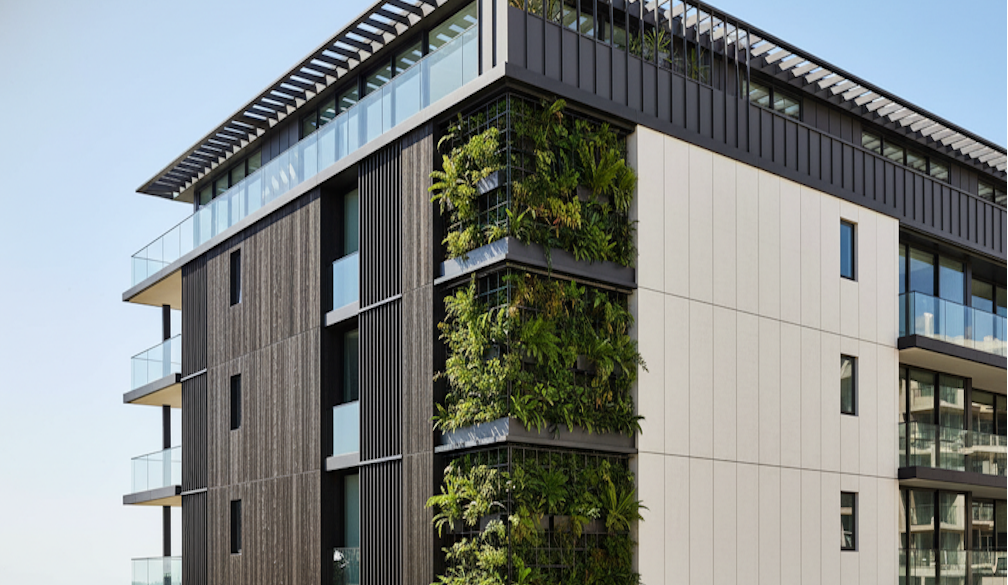
Australia’s residential construction and renovation market is evolving rapidly in 2026. Homeowners, apartment developers, and interior designers are placing greater emphasis on modern aesthetics, durability, sustainability, and cost-effective installation solutions. As a result, wall cladding materials are becoming one of the most important elements in contemporary interior design.
Traditional painted walls and ceramic tiles are gradually being replaced by decorative wall panels that offer improved functionality and visual appeal. From luxury apartments in Sydney to compact urban homes in Melbourne and Brisbane, modern wall cladding systems are now widely used to create stylish and low-maintenance living environments.
The Growing Demand for Decorative Wall Cladding
One of the biggest trends in Australia’s interior renovation sector is the shift toward decorative wall systems that combine practicality with design flexibility. Consumers are increasingly looking for materials that can withstand moisture, reduce maintenance costs, and provide a premium appearance without significantly increasing renovation budgets.
Modern apartments especially require materials that are lightweight, quick to install, and suitable for smaller spaces. This has contributed to the rising popularity of wall cladding products such as WPC wall panels, SPC wall panels, PVC marble sheets, and acoustic panels.
In addition, developers are paying closer attention to construction timelines. Faster installation materials help reduce labor costs and project delays, making prefabricated decorative wall systems highly attractive for both residential and commercial projects.
WPC Wall Panels Continue to Gain Popularity
Wood Plastic Composite (WPC) wall panels remain one of the fastest-growing decorative materials in Australia’s housing market. These panels offer the natural appearance of wood while providing better moisture resistance and durability compared to traditional timber materials.
WPC wall cladding is particularly popular in modern apartments because it creates a warm and contemporary interior style while requiring minimal maintenance. Unlike natural wood, WPC materials are resistant to termites, warping, and humidity, which makes them ideal for Australia’s varying climate conditions.
Many interior designers are also using wood-look wall panels to create feature walls in living rooms, bedrooms, and hotel-style apartment interiors. Neutral oak tones, walnut finishes, and minimalist linear textures are expected to dominate wall design trends throughout 2026.
SPC Wall Panels Are Replacing Traditional Tiles
Another major trend is the growing adoption of SPC wall panels in bathrooms, kitchens, and wet areas. SPC (Stone Plastic Composite) wall systems are increasingly replacing ceramic tiles because they are easier to install and require less maintenance.
Traditional tiling often involves lengthy installation processes, grout maintenance, and higher labor costs. SPC wall panels offer a faster alternative while still delivering waterproof performance and a modern appearance.
This trend is especially important for apartment renovation projects where reducing downtime is critical. Property owners and contractors are seeking renovation materials that allow spaces to be upgraded quickly without compromising quality or aesthetics.
Large-format marble-look SPC panels are becoming especially popular in luxury apartments and hospitality-inspired residential interiors.
Acoustic Panels for Modern Urban Living
As urban density increases across Australian cities, noise reduction has become an important consideration in residential design. Acoustic wall panels are now commonly used in apartments, home offices, entertainment rooms, and open-plan living spaces.
Modern acoustic panels not only improve sound absorption but also serve as decorative design features. Wood slat acoustic panels are particularly popular because they combine functionality with a clean architectural appearance.
With more Australians working remotely, home office design is also influencing wall cladding trends. Decorative acoustic panels help create quieter and more comfortable working environments while adding visual sophistication to interiors.
Sustainability Is Influencing Material Selection
Sustainability continues to shape purchasing decisions in Australia’s building materials industry. Consumers and developers are increasingly interested in eco-friendly decorative materials that offer long service life and reduced environmental impact.
Wall cladding products that require less natural timber, reduce construction waste, and improve installation efficiency are becoming more attractive in both residential and commercial projects.
At the same time, global supply chains are playing a bigger role in helping Australian buyers access modern decorative materials at competitive prices. Many builders, wholesalers, and contractors are now sourcing wall cladding products directly from overseas manufacturers to improve supply stability and customization options.
Companies such as WPCSPC.com are supporting international buyers with modern decorative wall solutions including WPC wall panels, SPC wall systems, acoustic panels, and interior cladding materials suitable for residential and commercial applications.
Minimalist and Hotel-Inspired Interiors Lead Design Trends
The influence of luxury hotels and high-end commercial interiors is becoming increasingly visible in Australian homes and apartments. Homeowners are seeking cleaner lines, textured finishes, and premium-looking materials that create a sophisticated atmosphere.
Large decorative wall panels are especially popular because they reduce visible seams and create a more seamless interior appearance. Marble-inspired finishes, wood textures, and soft neutral tones are expected to dominate interior wall design trends throughout 2026.
In many modern apartment projects, wall cladding is now being used not only as a functional material but also as a key design feature that enhances property value and buyer appeal.
The Future of Wall Cladding in Australia
Looking ahead, modern wall cladding systems are expected to become even more widely adopted across Australia’s residential construction and renovation sectors. The demand for lightweight, waterproof, sustainable, and visually appealing materials will continue to grow as homeowners prioritize both functionality and design.
With advancements in manufacturing technology and increasing global supply chain integration, decorative wall materials are becoming more accessible than ever before. For developers, contractors, and homeowners alike, modern wall cladding solutions are helping redefine the future of Australian interior design.










