Man sentenced for illegal import of protected native reptiles into NSW
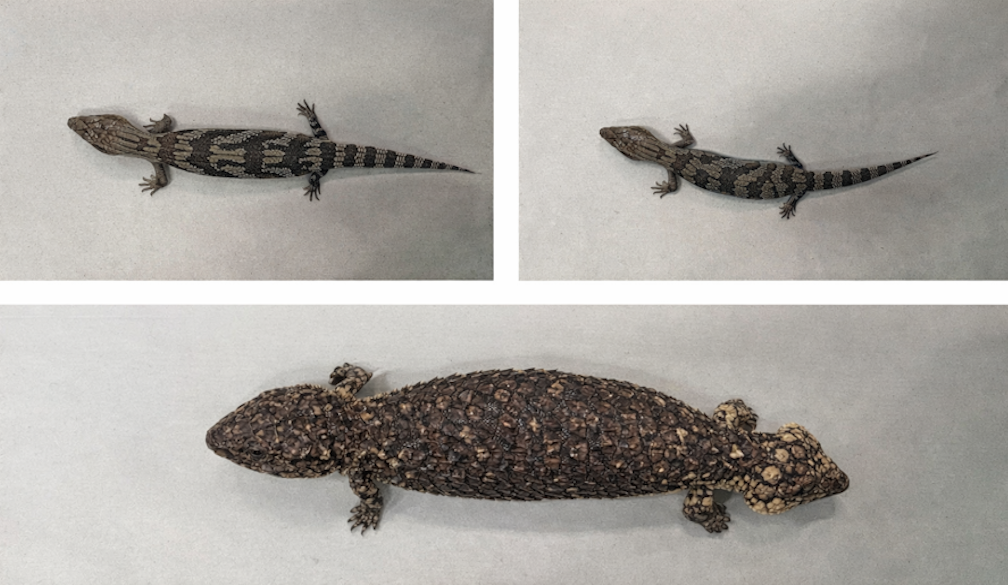
A Sydney man who illegally brought native reptiles into NSW and failed to follow the rules of his wildlife licence has been sentenced in court, in a case that underscores the strict protections around Australia’s native species.
Qian Liu was sentenced in the Downing Centre Local Court after an investigation found he had imported blue-tongue lizards into NSW without the required permits, despite holding a biodiversity conservation licence. The court heard he did not comply with the conditions of that licence, including failing to properly document the origin of animals in his care.
Mr Liu was convicted for the illegal import and fined $5,000. He was also ordered to pay $3,000 to the NSW Department of Climate Change, Energy, the Environment and Water (DCCEEW) to cover legal costs.
Authorities also identified additional compliance breaches, including poor record-keeping and an inability to demonstrate the lawful acquisition of two shingleback lizards. Those animals were seized. For these licence breaches, Mr Liu was given a nine-month non-conviction good behaviour bond.
While the reptiles involved are not endangered, all native species are subject to strict legal controls to ensure they are not exploited or moved unlawfully.
The offences relate to requirements under the Biodiversity Conservation Act 2016, which regulates the protection, trade and movement of native animals in New South Wales. DCCEEW said the outcome highlights the importance of complying with these laws to safeguard Australia’s unique wildlife.
Quotes attributed to Biodiversity and Heritage Regulator Chief Regulatory Officer Adam Gilligan:
“All native birds, reptiles, amphibians and mammals as well as some plants are protected in NSW.
“Licences issued under the Biodiversity Conservation Act are subject to strict conditions and failure to comply with those conditions is an offence that will not be taken lightly.
“This prosecution sends a clear message to licence holders and the broader community that wildlife laws will be enforced.”