Skin Care Tips for During and Post Cancer Treatment
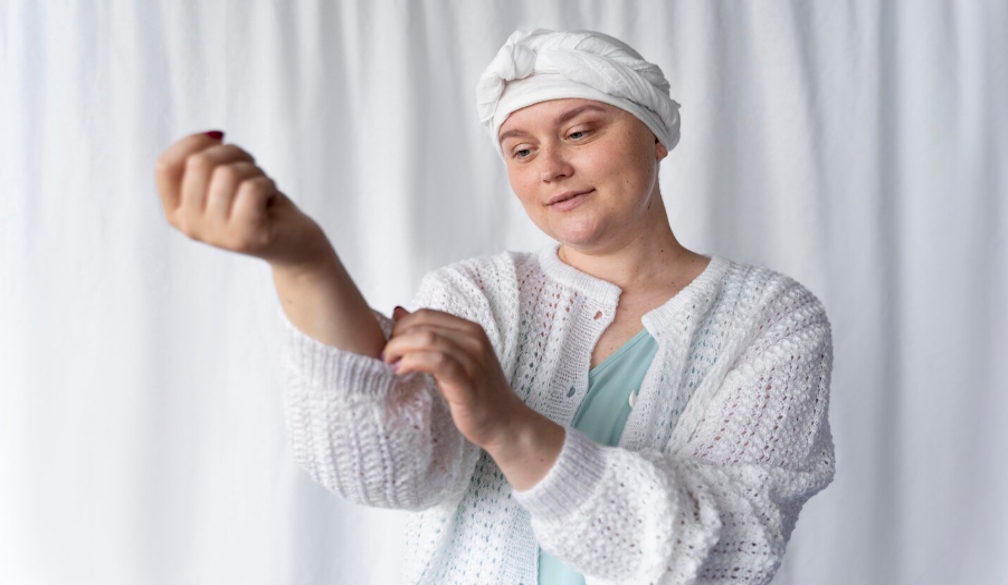
Cancer treatment can affect far more than your day to day wellbeing. It can also change how your skin behaves, particularly in response to sunlight. Exposure that once seemed harmless may suddenly lead to burning, irritation, or longer term damage.
For many people, this comes as an unexpected side effect, as the focus is usually on the treatment itself. Understanding how different therapies impact your skin, both during and after care, allows you to take practical steps to protect it and minimise future risks.
How Chemotherapy Alters Your Skin’s Response to the Sun
Chemotherapy can significantly increase your skin’s sensitivity to ultraviolet exposure. Certain medications make the skin more prone to burning, not only during treatment but for some time afterwards. In some cases, this increased sensitivity may also be linked to a higher risk of developing certain types of skin cancer.
Because treatment plans vary, your medical team is best placed to explain how your specific medication may affect your skin. They can also recommend ways to reduce sun related risks. Reviewing trusted treatment guides or medical resources can also provide further clarity.
Other Treatments That Heighten Sun Sensitivity
Chemotherapy is not the only factor. Other cancer treatments can also make your skin more reactive to sunlight, increasing the likelihood of burning or irritation. These effects may continue throughout treatment and persist for months after it ends.
As these reactions differ depending on the treatment type, it is helpful to seek guidance from a professional at a highly-rated skin clinic. They can provide advice tailored to your situation and direct you to reliable information about your medications.
How Radiotherapy Impacts the Skin
Radiotherapy commonly affects the treated area, with changes often appearing around 10 days after treatment begins. While the skin may start to recover a few weeks after treatment finishes, healing times can vary from person to person.
Protecting the treated area from strong sunlight is essential both during and after radiotherapy. There is also an increased risk of skin cancer developing in these areas over time.
Your radiographer will guide you on what to expect and how to care for your skin effectively, helping to manage discomfort and support recovery.
Managing Sun Exposure After Skin Cancer
If you have previously been treated for skin cancer, there is a higher likelihood of it returning in the same location. You may also be more prone to developing new skin cancers elsewhere on the body.
Your doctor will advise you on how to monitor your skin, how often checks should be carried out, and what warning signs to look for. Regular monitoring is key to detecting changes early. A leading melanoma treatment clinic can offer further guidance based on your medical history and support ongoing skin checks.
Increased Risk with a Weakened Immune System
The immune system plays an important role in protecting the body from illness. Certain treatments and conditions can weaken this defence, increasing vulnerability to a range of health issues.
When the immune system is suppressed over time, the risk of developing skin cancer can rise. This may apply to individuals who have undergone organ transplants and require immunosuppressive medication, or those living with conditions such as HIV or HPV.
FAQs
Is it safe to spend time in the sun during chemotherapy?
Extra precautions are needed. Wearing protective clothing, applying SPF 30 sunscreen, and avoiding direct sunlight can help reduce exposure during and after treatment.
What is the 2 week rule for skin cancer?
The 2 week wait pathway ensures people with potential skin cancer symptoms are assessed quickly. Concerning signs such as changing or non healing lesions are referred for specialist review within two weeks.
Is sun exposure harmful for cancer patients?
Many treatments increase sensitivity to sunlight, so limiting direct exposure is usually recommended. Your care team or a skin cancer clinic can provide advice specific to your treatment plan.
How long should you avoid the sun after chemotherapy?
Heightened sensitivity can continue for one to two months after treatment ends. It is best to take a cautious approach and seek shade where possible.
Why do some people wear dark nail polish during chemotherapy?
Dark or UV protective nail coatings are sometimes used to shield nails from sun exposure. However, healthcare providers may ask for polish to be removed so they can monitor nail health more accurately.