How to Recover Faster Between Hiking, Surfing and Road Trips
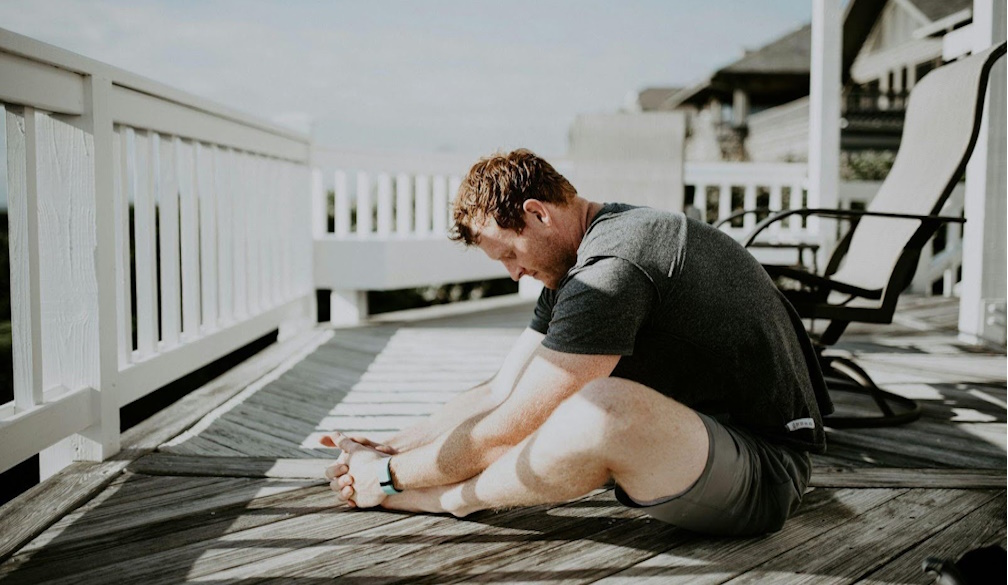
You might not think of recovery as part of the adventure, but it quickly becomes the thing that decides how much you actually enjoy it. One day you’re hiking through coastal tracks, the next you’re out in the surf, then you’re back in the car chasing the next stop. It’s a rhythm that feels effortless at first, until your body starts to lag behind.
When you’re constantly switching between movement, water, and long drives, fatigue builds in ways that aren’t always obvious straight away. It’s not about slowing everything down or cutting experiences short. It’s about understanding how to keep your body moving well so you can keep saying yes to what’s next.
You don’t really notice it at first. One day you’re hiking through coastal tracks, the next you’re paddling out for a surf, then sitting for hours chasing the next destination. It feels like the ideal mix of movement and freedom. But after a few days, your body starts to feel heavier. Your legs stay sore longer than expected, your shoulders tighten, and even getting out of the car feels stiff.
That’s usually not from doing too much of one thing. It comes from stacking different types of strain without giving your body the right kind of reset in between. When you’re moving between environments and activities, recovery becomes part of the experience, not something separate from it.
Why Your Body Feels More Worn Out Than Expected
When you combine hiking, surfing, and road trips, you’re asking your body to switch roles constantly. Each activity loads different muscle groups and movement patterns, and they don’t always complement each other as neatly as it seems.
On the trail, your calves, glutes, and stabilising muscles are doing most of the work. Uneven terrain keeps your joints working harder than they would on flat ground, especially around the ankles and knees. If you’re carrying a pack, that load travels up into your hips and lower back.
Out in the water, things shift. Your shoulders and upper back take over with repetitive paddling, while your core works to stabilise you against constant movement. The lower back often ends up absorbing more tension than expected, especially after long sessions.
Then come the hours in the car. Sitting shortens the hip flexors, reduces blood flow, and encourages your spine into a fixed position. Even if you feel like you’re resting, your body isn’t really recovering. It’s adapting to a completely different kind of stress.
When you layer all of that across a few days, fatigue builds in a way that feels hard to pin down. It’s not sharp pain, just a steady sense that your body isn’t bouncing back the way it usually does.
What Effective Recovery Actually Looks Like Day to Day
Recovery on the road doesn’t need to be complicated, but it does need to be consistent. The biggest shift is understanding that recovery is something you build into your day, not something you leave until you feel sore.
Sleep plays a bigger role than most people realise, especially when you’re active in different environments. A broken night in a new place or a late finish after a long drive can carry into the next day more than expected. Even one or two solid nights can make a noticeable difference in how your body feels.
Hydration is another one that’s easy to overlook. Between sun exposure, salt water, and time on the road, it’s common to run slightly dehydrated without noticing. That alone can make muscles feel tighter and slower to recover.
Food matters as well, but it doesn’t need to be rigid. Eating soon after activity helps your body start repairing muscle tissue earlier, especially after longer hikes or surf sessions. It’s less about strict planning and more about not leaving long gaps where your body has nothing to work with.
When you start paying attention to these small things, you’ll notice your energy stays more stable across consecutive days. You’re not chasing recovery, you’re maintaining it as you go.
Mobility and Movement That Keeps You Going
You don’t need a full routine or equipment to stay mobile while travelling. What helps most is short, intentional movement that matches what you’ve just done.
After a long drive, your hips and lower back usually feel the tightest. Even a few minutes of standing, walking, and gently opening up the front of your hips can make getting back into activity feel easier. It’s the difference between stepping straight into a hike feeling stiff or feeling ready to move.
After surfing, your shoulders and upper back tend to carry the load. Simple movements that bring your shoulders through a full range, along with light twists through your spine, can help reset that tension before it settles in.
For hiking, ankles and calves benefit from a bit of attention, especially if you’re heading out again the next day. Slow, controlled movement rather than aggressive stretching tends to work better when you’re already fatigued.
These small resets fit easily into the kind of places you’re already stopping, whether that’s a beach car park, a lookout, or somewhere along the track. Over time, they add up to a body that feels more responsive instead of progressively tighter.
great now do the final sections
Knowing When Your Body Needs More Than Self-Management
There’s a point where general soreness starts to feel different. It lingers in the same spot, limits how you move, or shows up earlier in the day instead of easing once you warm up. That’s usually a sign your body isn’t just fatigued, it’s compensating.
When that happens during a trip, it can be frustrating. You’re in a new place, you’ve planned activities, and slowing down isn’t part of the plan. This is where getting the right support becomes practical rather than optional.
No matter where you are, it’s easy to find help. Typing the best physio near me into a search bar will usually bring up local clinics with availability, along with credibility, which is very important when visiting somewhere new. It’s a simple way to get on top of something early instead of letting it carry through the rest of your trip.
Physiotherapy in this context isn’t about long-term treatment plans. It’s about identifying what’s tightened, what’s overloaded, and what needs to be adjusted so you can keep moving comfortably. Even one session can help reset things and give you a clearer idea of how to manage the next few days.
Building a Recovery Routine That Works While Travelling
The most effective recovery routines are the ones that fit around what you’re already doing. When you’re travelling, rigid plans tend to fall away quickly, so it helps to keep things flexible and easy to repeat.
A short walk or light movement after a long drive can make the next activity feel smoother. Slowing down slightly the morning after a big hike or surf gives your body time to catch up instead of pushing straight back into the same intensity. Spacing out demanding days, where possible, can also make a noticeable difference across a longer trip.
These habits don’t need extra time carved out of your day. They can happen in the same places you’re already stopping, whether that’s along one of the incredible drives from Sydney or during breaks between activities. It becomes less about adding more in and more about using the gaps you already have.
Over time, this kind of approach helps you stay consistent without feeling like you’re constantly managing soreness or fatigue.
The Long-Term Payoff of Smarter Recovery
When recovery becomes part of how you travel, everything starts to feel more sustainable. You wake up with less stiffness, transitions between activities feel easier, and you’re not second-guessing whether your body will keep up.
It also changes how you experience different places. Whether you’re heading out to coastal towns and beaches or planning your next stretch of travel through the mountains, having a body that feels ready makes those experiences more enjoyable.
Instead of needing downtime to recover from each activity, you stay in a rhythm where movement feels natural from one day to the next.