Bidet vs Toilet Paper Comparison Guide
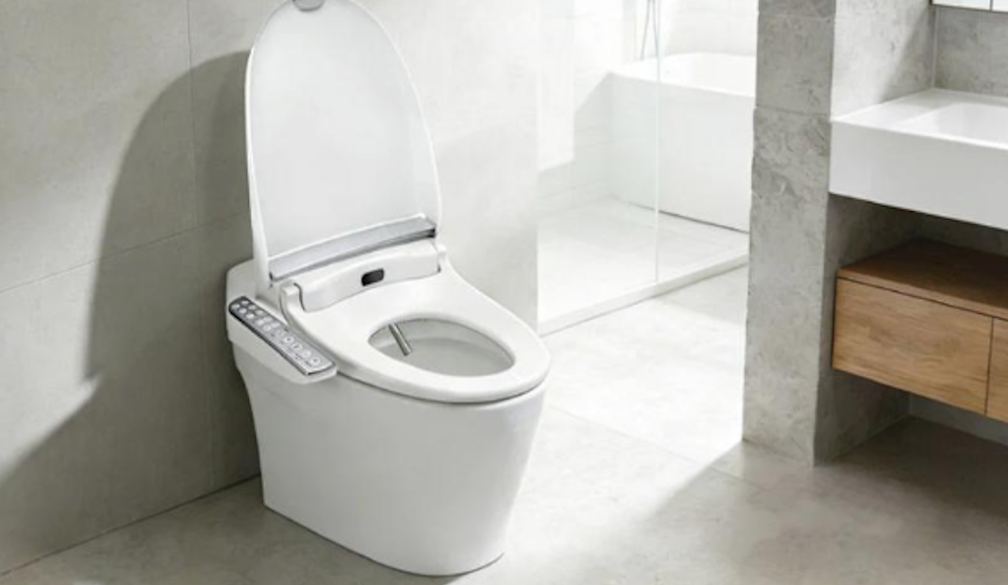
Choosing between a bidet and toilet paper is not just about personal preference. This decision impacts your hygiene routines, comfort, budget, and even the environment. Both options have their advocates and contributors to daily comfort. A bidet offers a water-based cleansing alternative, while toilet paper remains a traditional choice for millions. Understanding the advantages and drawbacks of each can guide you toward making an informed decision that best suits your lifestyle. This comprehensive comparison will highlight crucial aspects like hygiene efficacy, cost considerations, and environmental effects to help you decide which option aligns with your personal and household needs.
What Is a Bidet and How Does It Work
A bidet is a plumbing fixture designed for personal cleaning using water. It usually resembles a toilet but functions differently, requiring the user to straddle it and use water jets for cleansing. Some modern bathrooms integrate bidet features directly into the toilet system, providing streamlined usage. Bidets are popular in various countries due to their effectiveness in reducing irritation and offering a thorough clean, with many models allowing temperature adjustments and pressure control. The transition from toilet paper to a bidet may require adjustment, but it generally promotes better hygiene practices over time.
What Is Toilet Paper and Why Do People Still Use It
Toilet paper is a staple in most Western bathrooms and offers a simple and familiar way to clean after using the toilet. It’s readily available, easy to use, and inexpensive. Despite the growing popularity of bidets, toilet paper continues to thrive due to its convenience and the lack of initial installation. Many users prefer toilet paper for its straightforward, flushable features and portability, which suits people with busy lifestyles or those who travel frequently. Even with modern alternatives, toilet paper remains the first line of hygiene defense for millions.
Bidet vs Toilet Paper: Hygiene Comparison
How Water Cleaning Improves Personal Hygiene
Using a bidet significantly enhances personal hygiene. Water provides a more thorough cleaning than simply wiping with toilet paper. It helps remove germs and bacteria more efficiently, reducing the risk of infections. Water can reach areas that paper might miss, ensuring a cleaner result. This method is particularly beneficial for individuals prone to irritations or those recovering from surgeries. A bidet offers adjustable settings, meaning users can customize their experience for maximum comfort and cleanliness.
Why Wiping May Leave Residue Behind
Toilet paper, despite its convenience, often fails to fully clean residues left after toilet use. Wiping may sometimes move debris around rather than completely remove it, leading to potential bacteria growth and discomfort. The efficiency of toilet paper is greatly dependent on its quality and how much is used, yet even the best paper can leave trace residues behind. Incomplete cleaning can lead to irritation, infections, or discomfort, making bidets a compelling alternative for those prioritizing hygiene.
Comfort and Skin Health Differences
Why Bidets Are Better for Sensitive Skin
Bidets are gentle on sensitive skin, utilizing water rather than abrasive paper, which can prevent irritation and mitigate rashes. The water can be heated or cooled, which adds to comfort, especially for sensitive or inflamed skin conditions. For those with hemorrhoids, postpartum recovery, or other skin sensitivities, bidets offer a soothing solution, minimizing discomfort and promoting healing. Water’s natural cleaning action maintains skin’s integrity without excessive rubbing needed by toilet paper.
Skin Irritation Risks from Toilet Paper Use
Toilet paper can cause skin irritation due to its texture and the chemicals sometimes used in production. Constant wiping can exacerbate skin issues, causing friction and consequential redness or abrasions. Sensitive skin may react poorly to added fragrances or dyes in some toilet paper brands, leading to prolonged discomfort. While softer toilet papers exist, they might not always effectively cleanse, requiring excessive use, which circles back to irritation risks.
Environmental Impact Comparison
Water Usage vs Paper Production Explained
Bidets use water, which may raise concerns about environmental waste. However, modern bidets are designed to use limited amounts of water per cleanse, often less than required for producing toilet paper. Paper production involves deforestation, energy usage, and considerable water consumption, not to mention packaging waste. Hence, while bidets use water, their footprint is considered less harmful under careful usage compared to extensive toilet paper manufacturing processes.
Which Option Is More Sustainable Long Term
Long-term, bidets present a more sustainable option. They help reduce dependence on paper products, thus conserving trees and minimizing wastewater from production processes. Over time, the cost of frequent toilet paper purchases adds up, reflecting the ecological strain of repetitive production cycles. Bidets, when properly managed, can offer a significant reduction in bathroom waste—highlighting their advantage as environmentally friendly alternatives.
Cost Comparison: Bidet vs Toilet Paper
Upfront Cost of Installing a Bidet
The initial cost of purchasing and installing a bidet can be sizable, depending on the model and its features. Standard models may cost less, while advanced options with heated seats or customizable settings might be more expensive. Installation may require professional help, adding to the start-up cost. However, various affordable options exist, offering varied features fitting different budgets.
Long-Term Savings Compared to Buying Toilet Paper
Over time, bidets can lead to savings. Once installed, the need for buying toilet paper diminishes significantly, offsetting the initial investment in a bidet. Given the frequency of toilet paper purchases and the price variations, the cumulative savings from adopting bidet use can be substantial. Homes can better manage their hygiene budgets long-term by reducing regular expense on paper products.
Convenience and Ease of Use
Learning Curve When Switching to a Bidet
Adopting a bidet requires a learning curve. New users must familiarize themselves with settings, positions, and controls. Once accustomed, many find the bidet experience more comfortable and easier than adjusting paper use. With practice, using a bidet becomes second nature, especially with advanced models offering user-friendly features. Initial adjustment may require patience, but most users adapt quickly.
Why Toilet Paper Feels More Familiar
Toilet paper is universally recognized and has been in use for generations. It’s perceived as straightforward and quick, not requiring complex equipment or new habits. The familiarity of toilet paper makes it desirable despite alternatives, especially for users reluctant to change long-established habits. Its widespread availability adds to its convenience, making it the go-to solution for many.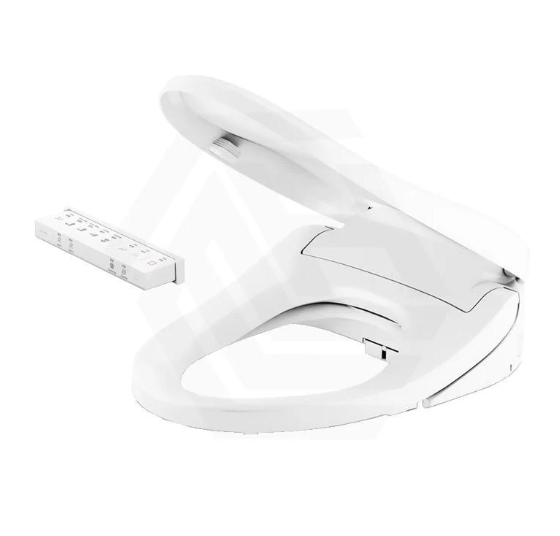
Types of Bidets You Can Choose for Your Home
Non-Electric Bidets and Simple Installation
Non-electric bidets are cost-effective and easy to install. They require no power source, using manual control to direct water flow. These bidets are perfect for limited budgets. Installation often involves connecting to existing plumbing, a task manageable even without professional help. They offer basic cleansing without extra features, ideal for users seeking straightforward solutions.
Electric Bidets with Advanced Features
Electric bidets provide luxurious comfort, offering heated seats, adjustable water temperatures, and air drying. These models might fit seamlessly onto existing toilets, enhancing the modern bathroom experience. Although they demand more investment, advanced features cater to specific user preferences, optimizing personal hygiene routines. Installation might be more complex, but their benefits often outweigh initial setup challenges.
Which Option Is Right for Your Lifestyle
Deciding between a bidet and toilet paper depends heavily on personal lifestyle preferences. If sustainability, advanced hygiene, and sensitive skin care matter significantly, a bidet is likely the better choice. For those desiring simplicity, low initial cost, and familiarity, toilet paper might remain the preferred option. Evaluating the environmental impact, cost savings, and comfort improvements of each can guide you to the choice fitting your daily routines best.
Conclusion
Choosing between a bidet and toilet paper is a personal choice impacting your daily hygiene, budget, and environmental footprint. While bidets offer superior cleansing, comfort, and sustainability, toilet paper is convenient and familiar. Weighing the benefits of each carefully against your needs lets you adopt the option enhancing your lifestyle. This comparison guide has provided insight into both choices, helping you make an informed decision that meets your specific hygiene standards and comfort desires.