What Rights Do Tenants Have in a Commercial Lease Dispute?
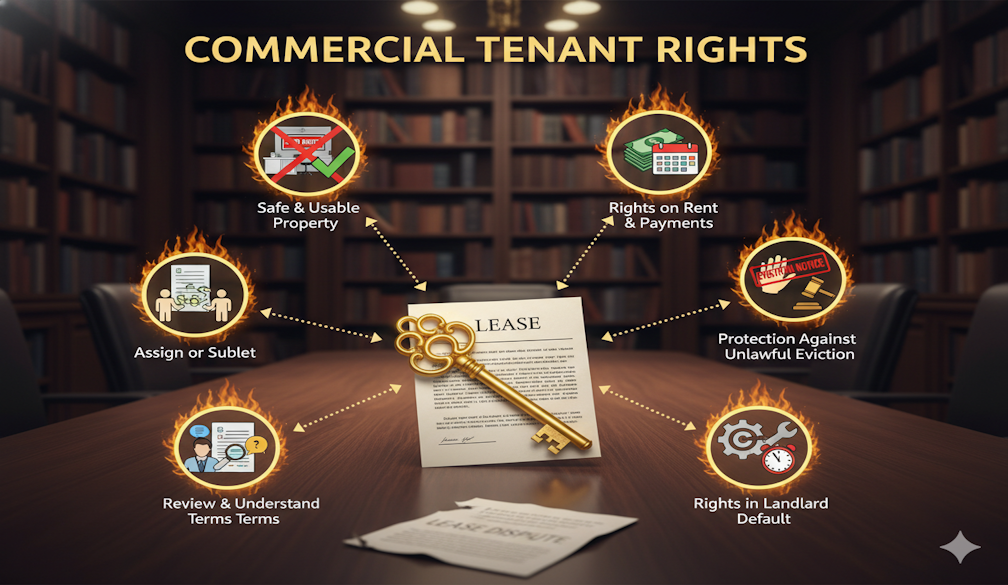
Disagreements between landlords and tenants can place significant pressure on a business. A commercial lease dispute may arise over rent, repairs or the interpretation of lease terms. When this happens, tenants often feel uncertain about their legal position. This article will explore the rights tenants may have in a commercial lease dispute and outline how those rights can influence negotiations or formal proceedings.
The Right to Rely on the Lease Terms
The starting point in any commercial lease dispute is the lease itself. The written agreement sets out the obligations of both parties. Tenants have the right to rely on the terms that were agreed at the outset. If a landlord seeks to enforce a condition that does not appear in the lease, tenants may challenge that position.
Careful reading of the lease is essential, as clauses dealing with rent reviews and termination can affect how a dispute unfolds. If the wording is unclear, interpretation may depend on established legal principles. Tenants are entitled to have those terms applied fairly rather than in a way that creates unexpected burdens.
Protection Under Retail Leasing Legislation
In some cases, retail leasing legislation may apply. These laws can provide additional protections beyond the lease contract. For example, certain disclosure obligations must be met before the lease is signed. If those requirements aren’t satisfied, tenants may have options available in a commercial lease dispute.
Legislation can also regulate how rent reviews operate and how disputes are managed. While not every lease falls within these laws, tenants should consider whether statutory protections apply to their situation. Understanding these frameworks can shift the balance of negotiations and influence the available remedies.
The Right to Seek Mediation
Many jurisdictions encourage alternative dispute resolution before court proceedings are commenced. In a commercial lease dispute, tenants often have the right to request mediation. This process allows both parties to discuss concerns in a structured environment with the assistance of a neutral facilitator.
Mediation can help clarify misunderstandings and identify practical solutions, and it may reduce costs and preserve ongoing business relationships. While not every dispute resolves at this stage, the opportunity to explore settlement without litigation is an important right that tenants can exercise.
Responding to Alleged Breaches
Landlords may issue breach notices if they believe a tenant has failed to comply with the lease. Tenants have the right to review these allegations and, where appropriate, dispute them. A notice doesn’t automatically mean termination will follow.
In a commercial lease dispute, tenants may have time to remedy an alleged breach. The lease and relevant legislation often specify how this process works. Understanding the required steps can prevent unnecessary escalation and ensure that responses are made within prescribed timeframes.