


How to Select the Best Pump for Your Water Tank Setup
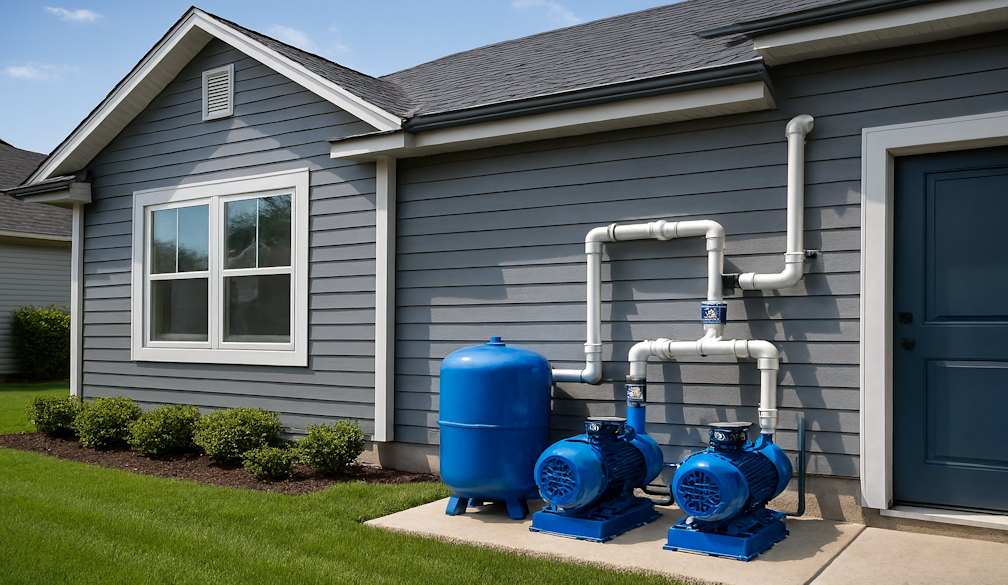
Selecting the best pump for a water tank setup starts with understanding how pressure, flow rate, and installation type affect performance. Many households and farms depend on these systems for everyday water use, yet the wrong pump can lead to weak flow, wasted energy, and higher costs. The best pump is the one that matches the tank type, distance to outlets, and water pressure needs.
A good setup balances performance with efficiency. Jet pumps work well for small homes, while multistage or submersible pumps suit larger houses or underground tanks. Each design serves a distinct purpose, so knowing what fits each application avoids unnecessary strain and system failure.
The right choice also supports long-term water access, especially in urban homes with rain-to-mains systems or rural properties relying on tank water. By understanding flow and pressure requirements early, anyone can install a system that delivers steady water wherever it is needed.
Key Considerations for Choosing a Water Tank Pump
Selecting a water tank pump requires a clear understanding of how much water is needed, what pressure is suitable, and which pump type suits the tank’s design. Each factor directly affects performance, energy use, and the convenience of daily water supply.
Assessing Water Usage Needs
The first step is to measure total water demand. The pump’s size and power should match how often and how much water the household or system draws. A small home may need a simple single-outlet pump, while a large property with multiple bathrooms, sprinklers, and appliances requires a unit that handles higher flow rates.
Daily consumption patterns also influence choice. Peak-use periods, such as mornings or evenings, create higher demand than other times. Selecting a pump with enough capacity prevents pressure drops during use.
It helps to estimate the total litres per minute required and match that with the pump’s rated flow. For mixed-use systems that serve a home and garden, pressure & submersible water pumps for sale available online provide a wide range of options suited for either light or heavy demand. This range allows buyers to compare output, efficiency, and cost before deciding.
Understanding Flow Rate and Water Pressure Requirements
Flow rate and pressure together determine how effectively water moves from the tank to outlets. Flow rate measures quantity, while pressure measures force. Both must balance for a stable water supply.
A low-pressure pump may not deliver enough water to upper floors or distant taps. On the other hand, too much pressure can strain pipes and fittings. Most modern pumps include pressure switches that help keep output steady without manual adjustment.
Elevation differences between the tank and outlets also matter. For every metre of height difference, the pump must add roughly 0.1 bar of extra pressure. A pressure gauge or flow calculator helps confirm output requirements before purchase. Selecting a pump with adjustable pressure settings allows better control for different uses, such as watering gardens versus indoor use.
Matching Pump Type with Water Tank Design
Pump type must suit the tank’s layout and placement. Centrifugal pumps sit above ground and work well for easy access and maintenance. Submersible pumps sit inside the tank and push water out, which reduces noise and protects them from the weather.
Each type fits certain water systems. For example, an underground rainwater tank suits a submersible model because it saves space and prevents dry running. A tank beside the house often performs best with a compact, self-priming pressure pump.
Other design points include inlet height, plumbing distance, and the presence of filters. Before installation, check that fittings and hose diameters match the pump’s connectors. This avoids leaks and pressure loss. Correct pairing of pump type and tank setup improves efficiency and extends equipment life.
Selecting the Right Pump for Your Application
A water tank system works best when the pump matches the site layout, water source, and usage purpose. Factors like noise level, tank position, water pressure, and tank material influence which pump will perform most effectively.
Submersible Versus External Pumps
A submersible pump operates below the water surface inside the tank. It pushes water upward and stays quiet because the tank walls muffle sound. This design suits underground or partially buried rainwater tanks where space is tight. It also prevents priming issues since the pump stays flooded at all times.
An external pump sits outside the tank and draws water through suction. It allows easier maintenance access and works well for above‑ground steel or poly tanks. However, it can produce more noise and may require weather protection.
Submersible models usually suit properties that value low noise or compact setups. External types fit open or accessible areas where repairs and inspections need less effort. The final choice often depends on tank location, available power, and the type of plumbing layout.
Pumps for Irrigation and Rainwater Harvesting Systems
For garden irrigation, the pump must move water at sufficient pressure to feed hoses or sprinklers. Pressure loss increases with longer pipe runs or higher elevation, so the pump should have enough head height. Many small gardens manage with a medium‑flow jet pump, while larger irrigation systems work better with a multistage pump that supports several outlets.
In rainwater harvesting systems, the pump must handle variable flow demand from indoor and outdoor uses. It often connects with a rain‑to‑mains switch to supply mains water if the tank runs dry or power fails. Submersible pumps are quieter for household use, while external models suit rural setups with larger tanks. The key is balancing flow rate, pressure, and noise against household or irrigation needs.
Tank Material and Compatibility Considerations
Different tank materials can influence pump choice and fittings. Steel tanks withstand sun exposure but need correctly matched seals to prevent corrosion where pipes connect. Poly and concrete tanks often suit both submersible and external pumps, but may need special pipe threads or flexible couplings to avoid cracks or leaks.
A pump must also match the water quality. For example, tanks that collect roof runoff may hold debris or fine sediment. Pumps with cleanable filters and durable housings prevent damage and maintain performance. Correct compatibility between tank and pump fittings helps reduce leaks and service problems, keeping the water system efficient and safe for long‑term use.
Conclusion
Selecting the best pump depends on the property’s size, the water demands, and where the tank sits. A smaller home may use a simple jet model, while larger or multi-level homes often need a multistage pump for stronger flow. Matching pump type to need saves both power and maintenance costs.
It helps to assess flow rate, head height, and noise level before purchase. These factors affect how well a system delivers water to taps, toilets, and gardens. Users achieve better results if the pump matches specific site conditions rather than a general model.
Regular checks for leaks, pressure drops, or unusual noise help extend the pump’s life. Cleaning filters and servicing the system every year keeps water use steady and efficient.
A carefully chosen pump supports steady pressure and consistent operation across a property. With clear information and a practical selection process, any home or site can maintain a dependable water supply for many years.










