Overhead Power Lines: Everything You Need to Know
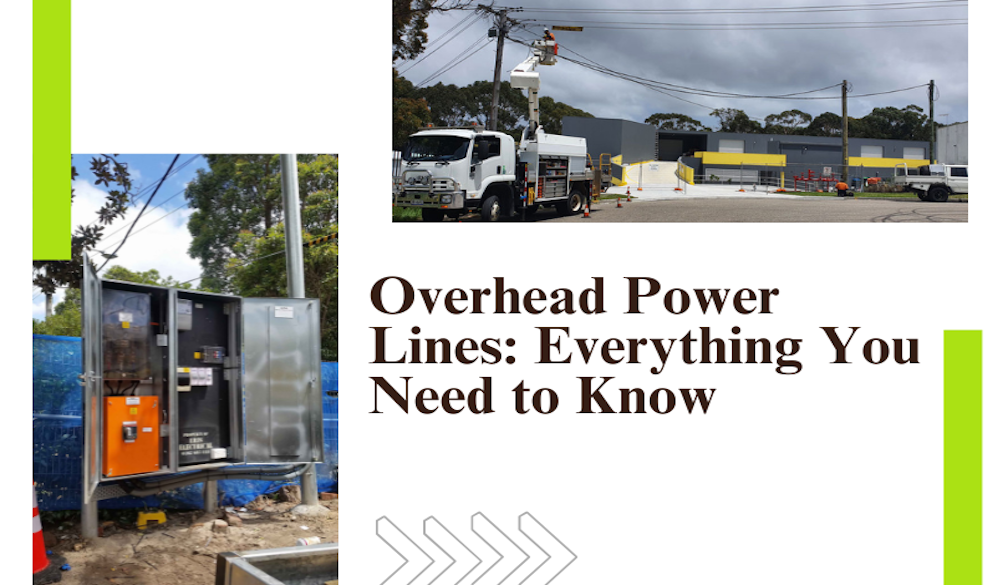
Electricity is a part of daily life, but have you ever paused to think about how it travels from power stations to your home? Overhead power lines are a critical part of this journey. They may look simple, stretching across streets and fields, but there’s a lot happening above our heads to keep our lights on.
What Are Overhead Power Lines?
Overhead power lines are wires suspended above the ground that carry electricity over long distances. Unlike underground cables, these lines are supported by poles or towers, making them easier to inspect and repair. They form the backbone of electricity distribution, connecting generation stations to homes, businesses, and industries across Australia.
Components of Overhead Power Lines
Every overhead line has several essential parts:
- Conductors and cables: These are the wires that carry electricity. They’re often made from aluminium or copper, chosen for their conductivity and durability.
- Insulators: These prevent electricity from escaping into the poles or towers. Ceramic, glass, or polymer materials are commonly used.
- Poles, towers, and cross-arms: These structures support the cables and keep them at a safe height above the ground. Wooden, steel, and concrete poles are all common, depending on the location and voltage.
Types of Overhead Power Lines
Not all power lines are the same. They’re classified by the voltage they carry:
- Low-voltage lines: Usually found in residential areas, supplying homes with electricity.
- Medium voltage lines: These connect local substations to neighbourhoods or small towns.
- High voltage transmission lines: These carry electricity across long distances, often connecting cities or major industrial zones.
How Overhead Power Lines Work
Electricity generated at power plants travels through high-voltage transmission lines to reduce energy loss. Once it reaches substations, transformers lower the voltage for safe use in homes and businesses. Overhead powerline installation is designed to carry this electricity efficiently while withstanding environmental conditions like wind, rain, and even bushfires.
Advantages of Overhead Power Lines
There are several reasons why overhead power lines are widely used:
- Cost-effectiveness: Installing overhead lines is generally cheaper than underground cabling, especially in rural areas.
- Ease of maintenance: Faults can be spotted and repaired quickly without extensive digging.
- Flexibility: They can be installed in areas where underground cables would be impractical, such as rugged terrain or open farmland.
Challenges and Risks
While overhead lines are essential, they come with challenges:
- Weather-related risks: Storms, lightning strikes, and bushfires can damage lines.
- Safety hazards: Direct contact with a live line can be fatal. Wildlife can also be at risk from electrocution.
- Environmental and visual impact: Some people find overhead lines unsightly, and they can affect local ecosystems.
Safety Measures and Precautions
Safety around overhead lines is crucial. Here are some key points:
- Maintain safe distances: Always keep a safe distance from power lines, especially when using ladders or machinery.
- Household safety tips: Never attempt to touch or move downed lines. Report any damage to your electricity provider immediately.
- Workplace precautions: For installations or maintenance, a licensed Level 2 electrician is essential to ensure compliance with safety standards.
Future Trends in Overhead Power Lines
Technology is shaping the future of power lines:
- Smart grids: These allow better monitoring and control of electricity flow, improving reliability and efficiency.
- Advanced materials: New conductor and insulator materials can reduce energy loss and maintenance needs.
- Hybrid systems: Some areas are combining overhead and underground systems to balance cost, safety, and aesthetics.
Conclusion
Overhead power lines might seem ordinary, but they’re a marvel of engineering that keeps homes, businesses, and industries powered every day. They come with benefits and challenges, and understanding them helps us appreciate the electricity we often take for granted.
Thinking about electrical upgrades or new installations? Speaking with a licensed Level 2 electrician is always the safest step. Whether it’s an assessment of your home or advice on overhead powerline construction, a professional can guide you through the process and ensure everything meets Australian safety standards. Making informed choices today keeps your property and family safe tomorrow.