Australia's plan for manufacturing missiles to be accelerated
- Written by: Michelle Grattan, Professorial Fellow, University of Canberra
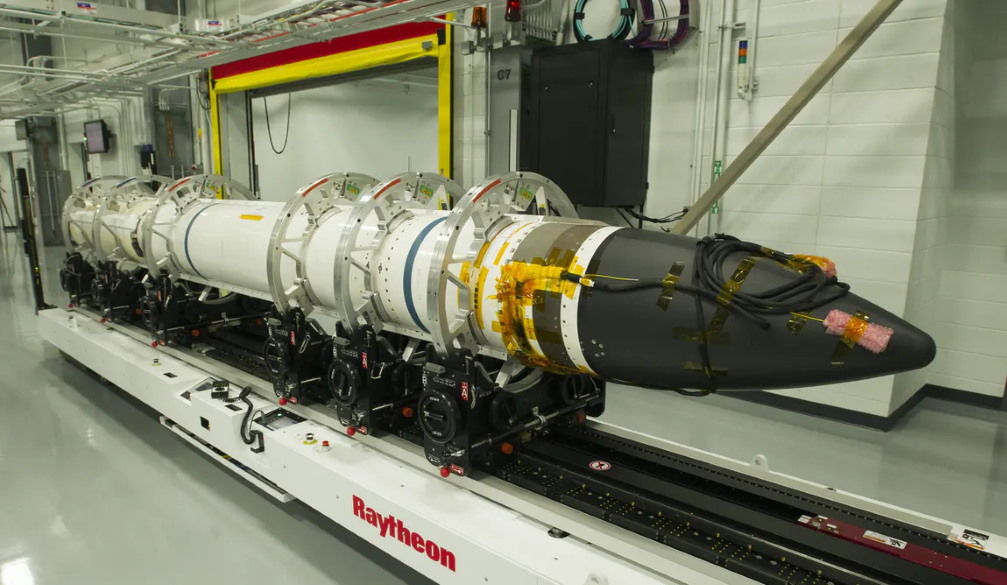
The government is speeding up the establishment of its planned $1 billion Sovereign Guided Weapons Enterprise, which aims to boost Australia’s own defence production capabilities as it faces a deteriorating security outlook.
The defence department will now start the process of selecting a strategic industry partner to operate a sovereign guided weapons manufacturing capability to produce missiles and other weapons on the government’s behalf .
The new enterprise will specialise in guided missiles for use across the defence force.
The increasing assertiveness of China and Australia’s deteriorating relations with that country, as well as the lessons of COVID, have strengthened the push for greater sovereign capability.
Scott Morrison, who will announce the acceleration in Adelaide on Wednesday, said in a statement, “Creating our own sovereign capability on Australian soil is essential to keep Australians safe, while also providing thousands of local jobs in businesses right across the defence supply chain.
"As the COVID-19 pandemic has shown, having the ability for self-reliance, be it vaccine development or the defence of Australia, is vital to meeting our own requirements in a changing global environment.”
Peter Dutton, who was only sworn into the defence portfolio on Tuesday, said the announcement “builds on the agreement the Morrison government achieved at AUSMIN last year to pursue options to encourage bilateral defence trade and to advance initiative that diversify and harness our industry co-operation”.
Dutton said Australia would work closely with the United States “to ensure that we understand how our enterprise can best support both Australia’s needs and the growing needs of our most important military partner”.
The Australian Strategic Policy Institute, a defence think tank, estimates Australian will spend $100 billion in the next 20 years on buying missiles and guided weapons.
ASPI defence expert Michael Shoebridge wrote in June last year:
“The ADF gets its missiles from US, European and Israeli manufacturers, at the end of long global supply chains. And, when the home nations of these manufacturers need missiles urgently themselves, their needs can get in the way of meeting ours […]
"The deteriorating strategic environment in our region, combined with the heightened understanding of how vulnerable extended global supply chains are, means the current situation has become unacceptable.”
Companies that could be a potential partners include Raytheon Australia, Lockheed Martin Australia, Kongsberg, and BAE Systems Australia. The partner will need to be suitable to work with the US and have strong links with Australian supply chain businesses.
The new Minister for Industry, Science and Technology, Christian Porter released a National Manufacturing Defence Roadmap on Tuesday, for a 10 year plan for investment.
Read more https://theconversation.com/australias-plan-for-manufacturing-missiles-to-be-accelerated-158160