
Labor proposes discounts for electric cars and 'community batteries' to store solar power
- Written by: Michelle Grattan, Professorial Fellow, University of Canberra
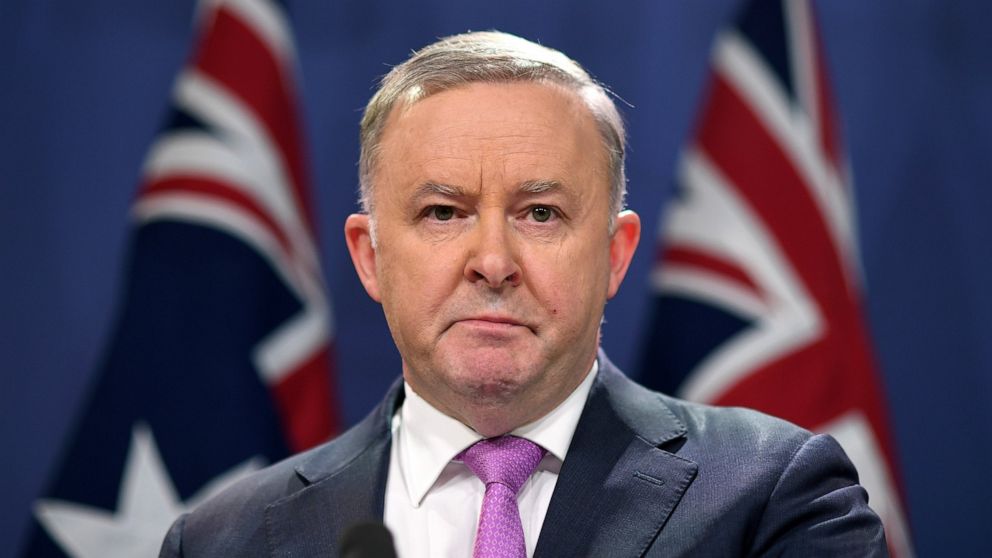
Anthony Albanese will promise a Labor government would deliver a discount to cut the cost of electric cars and install community batteries, in modest initiatives costing $400 million over several years.
The announcement, to be made Wednesday, comes as Labor debates its platform at a “virtual” national conference involving some 400 participants.
At present only 0.7% of cars sold in Australia are electric – considerably under the global average of 4.2%. There are only about 20,000 electric cars registered in Australia.
Labor’s policy would cut taxes on non-luxury vehicles – the luxury threshold is $77,565 in 2020-21 – exempting them from tariffs and fringe benefits tax.
The Electric Vehicle Council has estimated a $50,000 model would be more than $2000 cheaper if the import tariff was removed. These tariffs are not on all the imported vehicles – there are exclusions where Australia has free trade agreements.
If a $50,000 vehicle was provided through employment, exempting it from the fringe benefits tax would save the employer (or employee, depending on how the FBT was arranged) up to $9000 annually, Labor says.
The opposition at the last election had a policy to promote electric cars, with a target of 50% per cent of new car sales being electric vehicles by 2030.
This came under heavy attack from the government, which cast it as a “war on the weekend”.
The government recently released a discussion paper on electric cars, and flagged it would trial models for the COMCAR fleet which transports politicians.
In a statement on the initiatives, Albanese and energy spokesman Chris Bowen said electric vehicles remain too expensive for most people, although a majority of Australians say they would consider buying one. There are no electric cars available in Australia for less than $40,000.
“By reducing upfront costs, Labor’s electric car discount will encourage uptake, cutting fuel and transport costs for households and reducing emissions at the same time,” Albanese and Bowen said.
The discount would begin on July 1 2022 and cost $200 million over three years.
The community batteries would help households who have solar panels but do not have their own battery storage, which is expensive.
Australia has one in five households with solar, but only one in 60 households has battery storage, which gives the capacity to draw overnight on the solar energy produced during the day.
Labor would spend $200 million over four years to install 400 community batteries across the country. This would assist up to 100,000 households.
Albanese and Bowen said the measure would cut power bills, reduce demands on the grid at peak times and lower emissions.
“Households that can’t install solar (like apartments and renters) can participate by drawing from excess energy stored in community batteries.”
A community battery is about the size of 4WD vehicle and provides about 500kWH of storage that can support up to 250 local households.