Why We Travel: The Timeless Search for Somewhere Different
- Written by: The Times
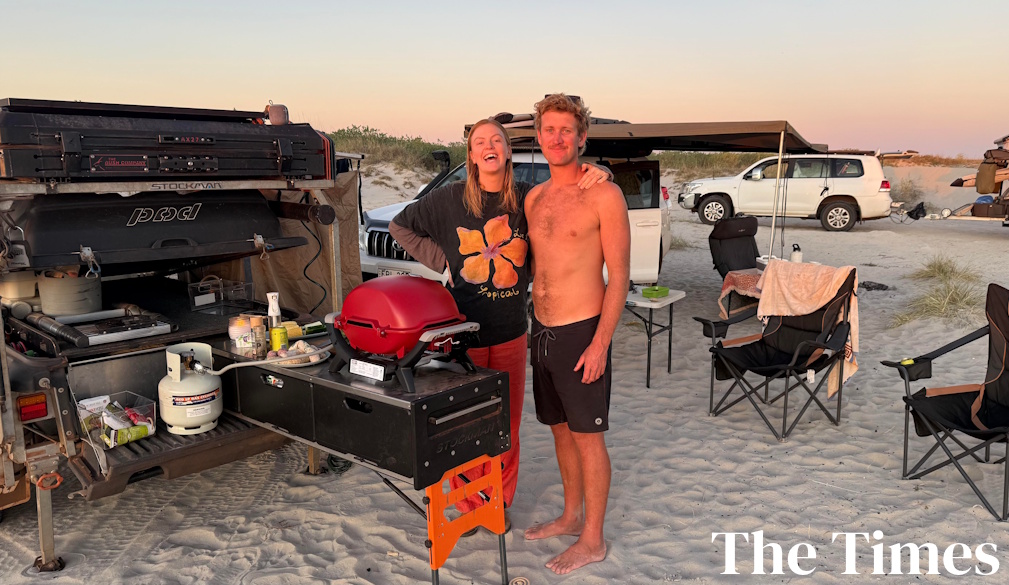
Every year, billions of people pack a suitcase, lock the front door and set off for somewhere else. Some fly halfway around the world to explore ancient cities. Others drive a few hours to a country town, a beachside apartment or a quiet cabin in the mountains. Some book luxury cruises, while others pitch a tent beside a river.
The destination changes, but the motivation is remarkably similar.
Humans have always travelled.
Long before modern aircraft, high-speed trains and motorways, people crossed deserts, sailed oceans and followed trade routes. Some travelled for survival, others for opportunity, and many simply because they wanted to discover what lay beyond the horizon.
That instinct has never disappeared.
Today, travel is one of the world's largest industries because it satisfies something deeply human. We enjoy experiencing places that are different from where we live. New landscapes, different architecture, unfamiliar food, changing weather and local customs stimulate our curiosity. Even a weekend away can make ordinary life feel refreshed.
Perhaps that is why holidays often seem longer than they really are. A week spent discovering somewhere new creates more memories than a week following the familiar routine at home.
Travel is also about people.
Sometimes we seek new faces as much as new places. Conversations with locals, meeting fellow travellers over breakfast, joining a guided tour or simply sitting at a café watching everyday life unfold reminds us that every community has its own rhythm and personality.
Those connections often become the stories we remember most.
Tourism has grown into an enormous global industry because almost every business can contribute to that desire for discovery. Airlines connect cities. Cruise ships become floating resorts. Hotels, motels, caravan parks and holiday rentals provide somewhere to stay. Restaurants introduce regional flavours. Tour operators, museums, galleries, wildlife parks, wineries and local markets all offer experiences that visitors cannot enjoy at home.
Even small towns benefit. A traveller buying coffee, filling a fuel tank, browsing a bookshop or purchasing locally made products helps support families and businesses throughout the community.
Interestingly, travel does not always mean travelling far.
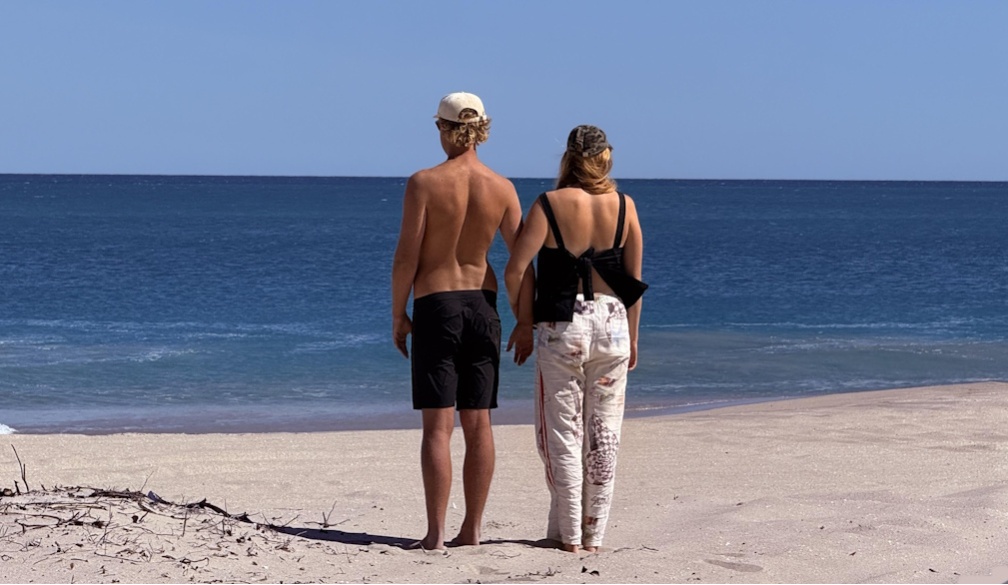
For many Australians, the ideal holiday is only a few hours from home. A different beach, a country village, a national park or a coastal town can provide exactly the change people are looking for. The distance matters less than the feeling of stepping outside everyday routines.
Psychologists have long observed that new experiences stimulate the brain. Learning unfamiliar streets, tasting different food and adapting to new surroundings encourage curiosity and create lasting memories. Travel gives us permission to slow down, notice details and be present in the moment.
Perhaps that explains why so many people return from holidays saying they feel refreshed, even if they have spent days walking through museums or climbing hills.
Modern technology has made travel easier than at any other time in history. A destination can be researched in minutes, flights booked online, accommodation reserved instantly and local restaurants found before arrival. Yet despite all this convenience, the reason people travel remains much the same as it has always been.
We want to experience something beyond the ordinary.
Whether it is the romance of Venice, the relaxation of a cruise, a family holiday by the beach or a quiet Airbnb in a nearby country town, holidays allow us to briefly exchange routine for possibility.
Perhaps that is the real purpose of travel. We leave home hoping to discover somewhere new, but often return having rediscovered something about ourselves.
The greatest destination is not a city, a beach or a mountain. It is the renewed sense of perspective that we bring home. The journey ends when we arrive back at our front door, but what we have learned often stays with us for much longer.
Travel is one of the few purchases that leaves us with less money but more memories. Long after the airline ticket has been forgotten and the hotel bill has been paid, the experiences remain.
We remember the sunrise we did not expect, the conversation with a stranger, the meal shared with family, and the moment we realised the world was larger—and friendlier—than we had imagined.