Google AI
The Times Australia
The Times Lifestyle

.

Home Gym Recovery Routines: What Pro Athletes Do After Workouts

  • Written by The Times


Training is only half the equation. What you do after your workout has just as much impact on your progress, performance, and long-term health. Professional athletes know this, which is why they treat recovery as a structured, non-negotiable part of their daily routine. At Peak Primal Wellness, we’ve worked with clients who model their home gym recovery setup on what the pros use right down to the tools, timing, and techniques.

Whether you’re lifting, running, or doing functional training at home, here’s how to recover like an elite performer without ever leaving your gym.

Why Recovery Should Be Programmed, Not Optional

Skipping recovery doesn’t just slow your gains. It increases the risk of injury, weakens your immune system, and disrupts sleep and mood. Athletes prioritize recovery because it allows them to train harder, more often, and with fewer setbacks.

The right post-workout recovery plan helps you:

  • Restore nervous system balance
  • Reduce inflammation and soreness
  • Rebuild muscle tissue
  • Improve circulation and flexibility
  • Prepare for the next session, mentally and physically

A home gym recovery routine doesn't need to be complex. But it does need to be consistent.

Step 1: Cool Down with Movement and Breath

Immediately after your workout, shift into active recovery mode. This transition helps reduce heart rate gradually and begin flushing out metabolic waste.

Try:

  • 5 to 10 minutes of light walking or cycling
  • Deep nasal breathing (4-second inhale, 6-second exhale)
  • Gentle stretching focused on the areas you trained
  • Foam rolling or lacrosse ball work for tight spots

This phase sets the tone for everything that follows. The goal is to calm the system, not stimulate it further.

Step 2: Infrared Sauna for Circulation and Detox

Infrared sauna sessions are a staple in many pro athletes' routines. Unlike traditional saunas, infrared heat penetrates deeper into the body, improving blood flow and promoting cellular repair.

Benefits include:

  • Increased muscle recovery speed
  • Reduced inflammation
  • Improved joint mobility
  • Enhanced relaxation and parasympathetic activation

Use the sauna for 15 to 30 minutes post-workout or before bed. If paired with cold therapy, use heat first, then cold.

Step 3: Cold Plunge for Inflammation and Resilience

Cold water immersion has become one of the most popular recovery tools for a reason. Immersing the body in cold water helps reduce inflammation, boost dopamine levels, and reset the nervous system.

Tips for cold plunge use:

  • Target 1 to 3 minutes at 45 to 55 degrees Fahrenheit
  • Breathe slowly and avoid hyperventilating
  • Exit and warm up gradually to avoid shock

Many athletes use contrast therapy, alternating between sauna and cold plunge to maximize recovery and improve vascular health.

Step 4: Percussion and Mobility Tools

After the big tools, it’s time to work on the smaller, targeted recovery aids that help manage soreness and tension.

Pro athletes use:

  • Massage guns on high-tension areas (30 to 60 seconds per muscle group)
  • Vibration plates for lymphatic drainage and active recovery
  • Stretch straps and mobility bands for long-hold passive stretches
  • Yoga mats or recovery stations for floor work

Keep these tools accessible and organized so they become part of your routine rather than something you forget to use.

Step 5: Rehydrate and Refuel

Your recovery routine should also include what you consume after your workout. Within 30 minutes of training, aim to:

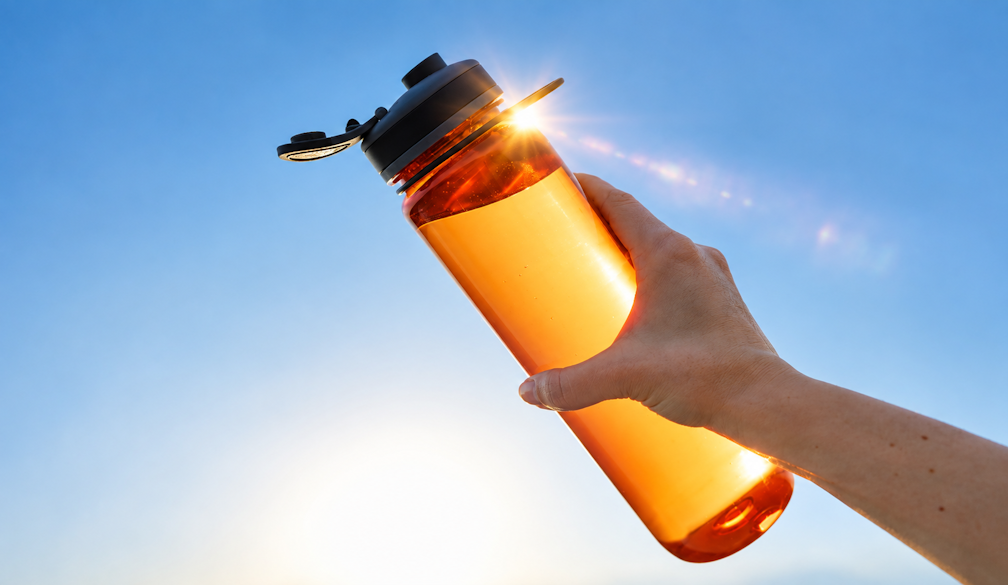
  • Rehydrate with water or electrolyte-enhanced beverages
  • Consume a balanced meal or shake with protein and carbs
  • Consider supplements like magnesium, tart cherry juice, or creatine based on your goals

Some athletes also use hydrogen-rich water or adaptogenic teas to support anti-inflammatory responses and relaxation.

Step 6: Sleep Optimization and Evening Wind-Down

The most powerful recovery tool is sleep. Everything you do after your workout should set you up for deeper, higher-quality rest.

Best practices include:

  • Limiting blue light exposure after sunset
  • Taking a warm shower or using sauna therapy to lower core temperature
  • Journaling or meditating to mentally offload the day
  • Keeping your bedroom cool, dark, and quiet

Many athletes also use wearable sleep trackers to monitor progress and adjust routines accordingly.

Final Thoughts

Recovery routines are not just for the elite. They’re the secret weapon behind consistent performance, long-term gains, and reduced injury risk. By setting up a smart recovery system in your home gym, you make world-class performance possible without relying on expensive clinics or scheduling sessions across town.

At Peak Primal Wellness, we offer the same recovery tools trusted by pros—from infrared saunas and cold plunges to mobility gear and high-performance accessories. With the right setup and a daily plan, your home can be the foundation for your best training results yet.

Times Lifestyle

Running Run Army this month? Here's how to prep for race day

With Run Army Brisbane this Sunday and Townsville to follow on 19 April, GO2 Health’s Kate Boucher shares her guide to get race-ready. Run Army is kicking off this weekend in Queensland with back-to-back events over the next month. Thousands will ...

Finding the Right Disability Housing in Perth: A Practical Guide for Participants and Families

Where you live shapes everything. It shapes the relationships you build, the community you belong to, the independence you're able to exercise, and the quality of life you experience day to day. For people living with disabilities, finding the righ...

The Power Of An Uncomfortable Love

How challenging relationships can help us grow. Never have we lived in a time where relationships have been more idealised, filtered, and disposable. Movies show partners holding us in our darkest moments, being intuitive to our every need and s...

Back at uni? How to help your wellbeing while you study

University can be a time of great opportunities, but it can also be very stressful[1]. Many students need to support themselves financially and may be living away from home. Students are also under constant deadlines and, if in their final years...

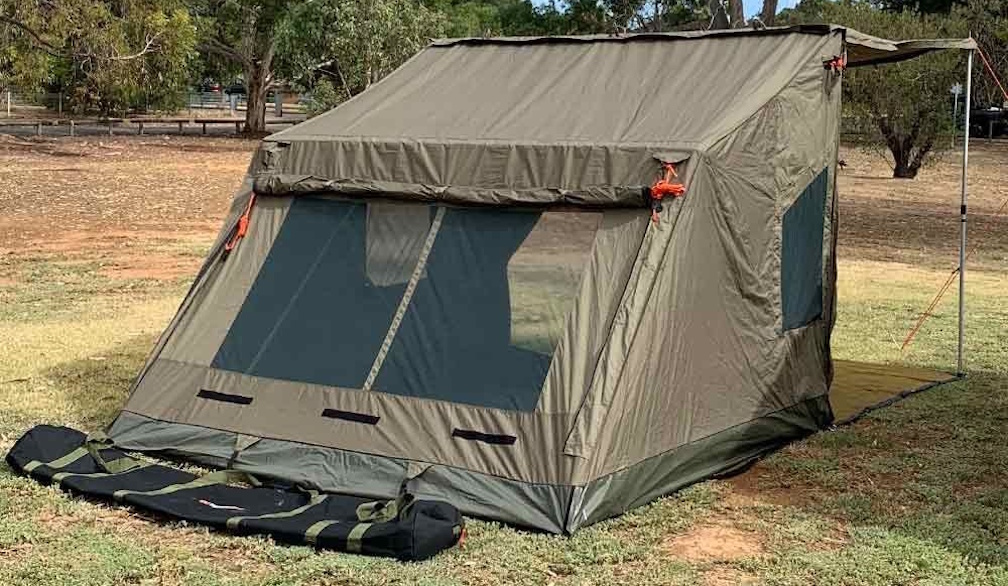
Oztent RV tent range. Buy with caution

A review of the Oztent RV "30 second tent" range. Three years ago we bought an RV-4 from BCF Mackay. It was used a few times including a weekend with intermittent rain which is important as the Oztent fine print says that each tent has to be wett...

Parks Victoria launches major statewide recruitment drive

The search is on for Victoria's next generation of rangers, with outdoor enthusiasts encouraged to apply for one of 62 new roles across the state.  Parks Victoria is recruiting motivated, hands-on people to strengthen our frontline and keep park...

Times Magazine

How Decentralised Applications Are Reshaping Enterprise Software in Australia

Australian businesses are experiencing a quiet revolution in how they manage data, execute agreeme...

Bambu Lab P2S 3D Printer Review: High-End Performance Meets Everyday Usability

After a full month of hands-on testing, the Bambu Lab P2S 3D printer has proven itself to be one...

Nearly Half of Disadvantaged Australian Schools Run Libraries on Less Than $1000 a Year

A new national snapshot from Dymocks Children’s Charities reveals outdated books, no librarians ...

Growing EV popularity is leading to queues at fast chargers. Could a kerbside charger network help?

The war on Iran has made crystal clear how shaky our reliance on fossil fuels is. It’s no surpri...

TRUCKIES UNDER THE PUMP AS FUEL PRICES BECOME TWO THIRDS OF OPERATING COSTS FOR SOME BUSINESS OWNERS

As Australia’s fuel crisis continues, truck drivers across the nation are being hit hard despite t...

iPhone: What are the latest features in iOS 26.5 Beta 1?

Apple has quietly released the first developer beta of iOS 26.5, and while it may not be the hea...

The Times Features

Interest-free loans needed for agriculture amid fuel cr…

The Albanese Government should release the details of its plan to provide interest-free loans to b...

Next stage of works to modernise Port of Devonport

TasPorts is progressing the next stage of its QuayLink program at the Port of Devonport, with up...

‘Cuddle therapy’ sounds like what we all need right now…

Cuddle therapy is having a moment[1]. The idea for this emerging therapy is for you to book in...

The Decentralized DJ: How Play House is Rewriting the M…

The traditional music industry model is currently facing its most significant challenge since the ...

What Australians Use YouTube For

In Australia, YouTube is no longer just a video platform—it is infrastructure. It entertains, e...

Independent MPs warn NDIS funding cuts risk leaving vul…

Federal Independent MPs have called on the Albanese Government to provide greater transparency...

While Fuel Has Our Attention, There Are Many More Issue…

Australia is once again fixated on fuel. Petrol prices rise, headlines follow, political pressu...

Recent outbreaks highlight the risks of bacterial menin…

Outbreaks of bacterial meningococcal disease in England[1] and recent cases in students in New Z...

Nationals leader Matt Canavan promotes work from home t…

Nationals leader Matt Canavan has urged the embrace of work-from-home opportunities as a way to ...