What Endo Took and What It Gave Me
- Written by: The Times
From pain to purpose: how one woman turned endometriosis into a movement
After years of misdiagnosis, hormone chaos, and major surgery, Jo Barry was done being dismissed. What began as a personal health crisis became the quiet force behind Scarlet, a period wellness brand built from lived experience. In this honest, no-fluff piece, Jo shares what endo took from her, what it unexpectedly gave back, and why she’s set on raising the standard for anyone living with period or pelvic pain.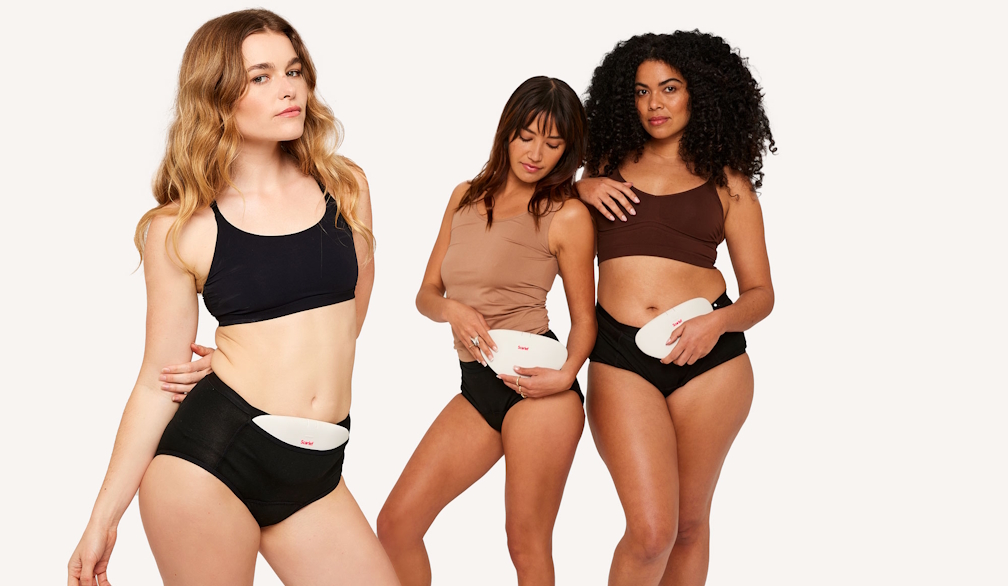
I wouldn’t wish endometriosis or adenomyosis on anyone. Not the chronic pain. Not the misdiagnoses. Not the rollercoaster of hormones hijacking your body. Not the way it quietly unravels your life - one plan, one relationship, one part of yourself at a time. But here’s the twist: as brutal as those years were, they gave me something too. They gave me purpose.
My name’s Jo, and I’m the owner of Scarlet, a small, independent period wellness brand that makes the rae heat pad, among other things. But long before that, I was just another woman stuck in the system, begging doctors to believe me. And this is the story of what endo took from me. And what it unexpectedly gave back.
The pain started early, and so did the gaslighting. I was ten years old, on a school camp, when a wave of pain hit me so hard I thought I was dying. I didn’t even know what a period was yet. But there I was, curled up in a bunk bed, confused and terrified by a body I suddenly couldn’t trust.
For years after, I bled heavily, passed clots, vomited from the pain, and assumed it was just part of being a girl. No one told me otherwise. And I didn’t know I was allowed to ask. Doctors told me I had a low pain threshold. That I might be anxious. That it was just “bad periods.” I internalised it, as so many of us do. I pushed through school, university, work, breakups, friendships, all while carrying a pain I didn’t have language for. I thought this was just life. It wasn’t.
It would take over a decade for me to be properly diagnosed. By that point, the endometriosis had advanced to stage 4. I also had adenomyosis, often called the “evil twin” of endo, and together they were wreaking havoc inside me.
The cost of being ignored
If you know, you know: the pain isn’t even the half of it. It’s the way life starts shrinking. You begin organising everything - from your career to your wardrobe - around what your uterus might or might not do.
You call in sick. You cancel dinner. You keep painkillers in every bag you own. You stop making plans altogether because it’s easier than apologising for bailing, again.
I lost count of how many doctors told me to “manage it” with the pill. I went through seven surgeries. Seven rounds of IVF. Early menopause thanks to Zoladex. And eventually, a hysterectomy.
That surgery was a last resort. I’d fought hard for years to avoid it - to preserve my fertility, to try everything else first. But my life had become unrecognisable. The pain was constant, and the emotional toll? Devastating. In the end, the hysterectomy wasn’t a choice, it was the only way back to a semi-functional life.
Even then, the journey didn’t end. I now manage symptoms with hormone replacement therapy (HRT) and continue to deal with the physical and emotional legacy that comes with years of being dismissed.
From broken to building something better
After my hysterectomy, I had a moment of clarity, the kind that only comes when you’ve hit absolute rock bottom.
I didn’t want anyone else to go through this alone. I didn’t want the next generation to grow up thinking pain is normal, or that they have to suffer in silence. I wanted to create something - not just a product, but a brand, a platform, a resource - that actually gave a damn about people with periods.
The idea for rae, our wearable, wireless heat pad, came directly from my own experience. I’d had enough of leaky wheat bags, plug-in cords, and disposable patches that never got hot enough. I wanted something safe, reliable, discreet, and, frankly, stylish. I wanted it to feel good to use - not cheap & tacky, not like a medical band-aid and definitely not an afterthought.
So I built it. From scratch. I worked with Melbourne engineers and industrial designers. I tested, failed, redesigned. I remortgaged my house to fund it. I chased down international certifications and safety checks. Because if my name was going to be on it, it had to be excellent. No wires. No pink fluff. No gimmicks. Just something that worked, because I knew how it felt when nothing did.
Building a better kind of period care
Scarlet isn’t just a business. It’s a rebellion - against crap products, against medical gaslighting, against the idea that we have to “put up and shut up.” We’re not here to sell shame. We’re here to start conversations.
We talk about the real stuff: pelvic pain, sex, flare-ups, leaks, mood swings, fatigue, fertility grief. We don’t pretend a bubble bath can cure chronic pain but we do believe self-care can be a powerful act of reclamation.
Scarlet began with the everyday essentials - the soft undies, high quality period cups and little rituals that make a big difference when your body’s not playing fair. But rae was the turning point. A heat pad that wasn’t clunky, clinical or stuck to a power cord. Just simple, wearable warmth designed to move with you. Since then, our collection has grown - bubble baths for tense evenings, sprays for cramping legs - but the goal remains the same: to make period care feel like actual care.
If you’re in the thick of it right now…
Maybe you’ve just been diagnosed. Maybe you’re fresh out of surgery. Maybe you’re crying in the GP’s carpark because they didn’t listen. Again. I see you. I was you. I know what it’s like to feel like a burden. To feel broken. To lose months, years, to a body that feels like it’s working against you.
But I also know that it can get better. That the more we speak up, the less power the stigma holds. That healing, while rarely linear, is still possible. And that you deserve products, care, and support systems that actually honour your experience.
This is what endo took from me: time, confidence, career momentum, relationships and my fertility. It stripped me bare. But it also handed me something I never expected: a sense of purpose, a fire I couldn’t put out, and a deep empathy for anyone who's ever been told to just "get on with it."
It gave me a reason to build something better - for myself, and for all of us who’ve been let down by a system that treats menstrual and pelvic pain like an afterthought. Scarlet isn’t just a brand. It’s my answer back. A way of saying: we deserve more. More comfort, more credibility, more care.
I didn’t choose this path. But I’ve turned it into something I’m proud of. And if sharing this helps you feel a little less alone, or a little more seen, then maybe that’s the one thing endo couldn’t take from me after all.
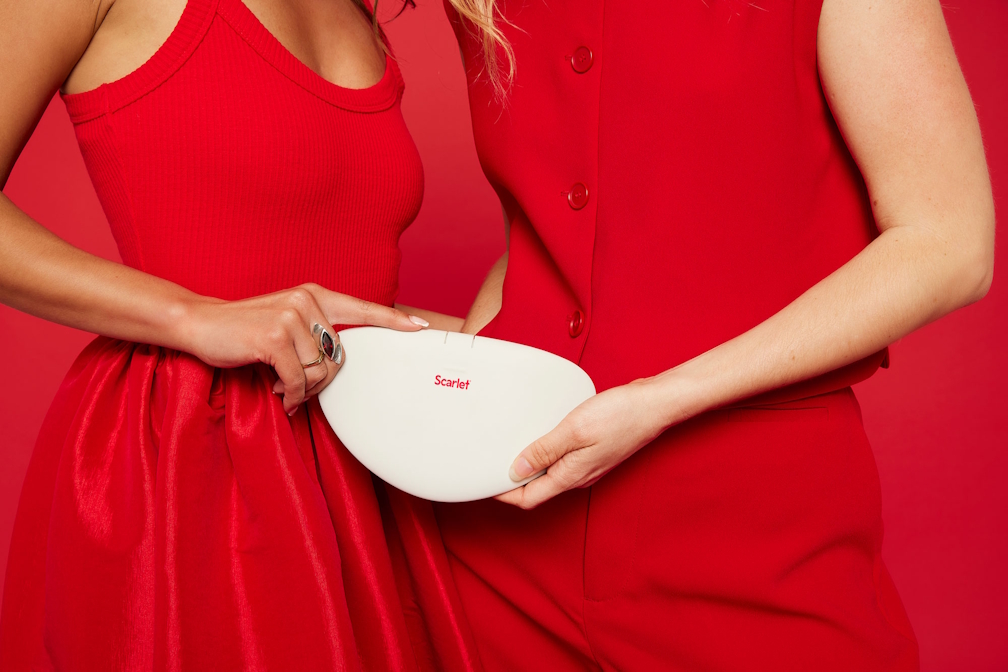
Jo Barry is the founder of rae, a wearable period heat device. With three heat settings and 5+ hours of power, it’s USB-rechargeable, super slimline, and fits into our custom period undies pouch. Through rae and her brand, Scarlet Period, she aims to provide practical relief, spark change in the medical community and foster a greater understanding of women’s health issues.