Sydney Hospital Trials 30-Minute Exercise Breaks for Staff
From virtual reality boxing to bowling and tennis, healthcare workers are swapping part of their working day for exercise in a trial that could change Australian workplaces.
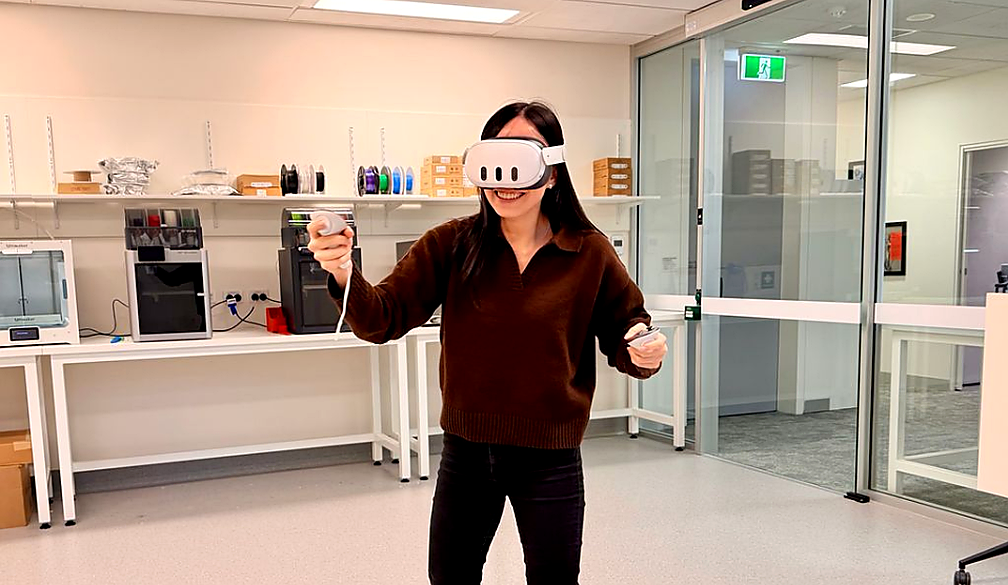
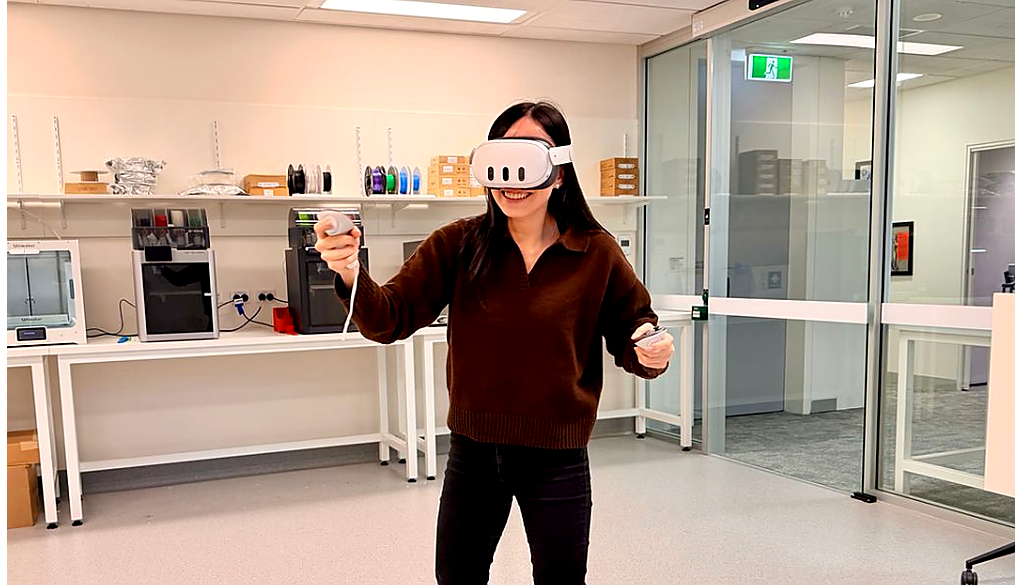
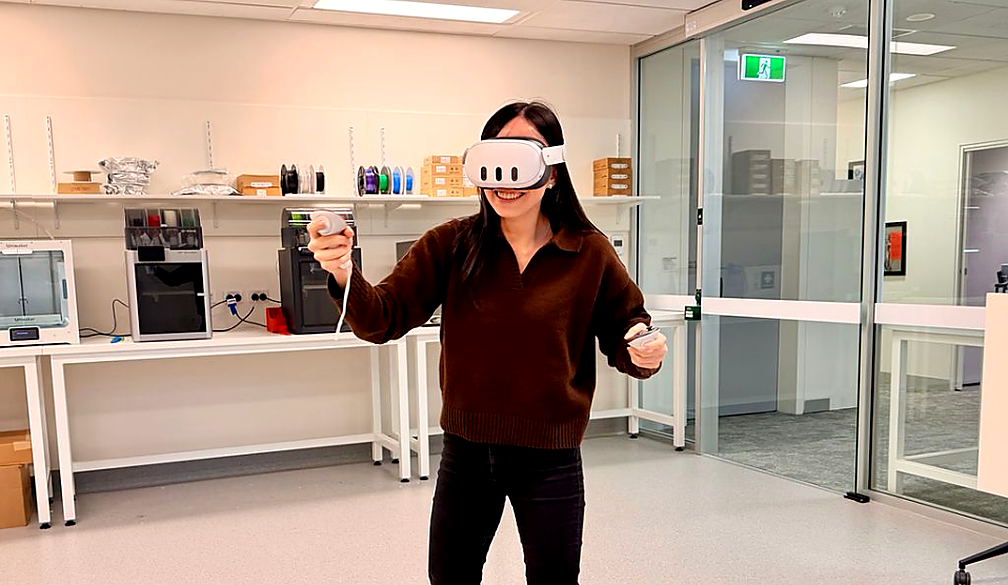
A new 12 month trial will see 100 nurses and other healthcare workers at Nepean Hospital in Sydney's west get off the ward dedicated 30-minute exercise breaks where they’ll strap on a virtual reality headset and spend half an hour boxing, bowling or playing tennis.
The aim of the study, led by Heart Research Institute cardiologist Dr Faraz Pathan, will investigate whether making time for exercise at work can improve heart health, fitness and mental wellbeing, with researchers also hoping to see a boost in productivity.
If it works, the idea could eventually extend beyond hospitals to offices and other workplaces across Australia.
Dr Pathan believes employers could play a bigger role in helping Australians overcome one of the biggest barriers to exercise: finding the time.
“It sounds simple but really it's a radical idea and this trial will give staff a 30-minute exercise break during their work day and then measure how these breaks impact their heart health, overall fitness and mental wellbeing,”Dr Pathan said.
“This is our chance to change the policy and cultural landscape of the Australian workplace by addressing the 'time poverty' that prevents staff from exercising.”
While some participants will use hospital stairs or walk around the grounds, others will exercise in a revamped break room using virtual reality glasses and a video game console.
The technology allows staff to simulate sports such as tennis, bowling and boxing without needing to leave the hospital.
With more than 4,000 people working at Nepean Hospital, finding enough space for everyone to exercise is no small challenge.
“The biggest barriers to exercise are time and space. A hospital the size of Nepean with over 4,000 staff can't have everyone walking around the perimeter. It would look like Coachella, not a hospital, can you imagine the bedlam it would cause with people moving everywhere. Exer-gaming will solve that problem,” Dr Pathan said.
The trial comes as physical inactivity continues to take a toll on Australians' health.
According to new figures, physical inactivity costs the Australian economy more than $2 billion annually, while workers spend approximately five hours of their working day sitting.
For healthcare workers, the risks can be compounded by long hours, stressful working conditions and irregular shifts.
“We know healthcare workers are at a particularly high risk for heart disease due to working irregular shifts that disrupt the circadian rhythm and the stressful and intensive nature of their work,” Dr Pathan said.
He believes the problem extends well beyond hospitals, with many Australians struggling to balance exercise with work and family commitments.
“About 60% of adults want to exercise but their ability to make that happen depends on their life circumstances, their line of work, their health and family responsibilities.”
Dr Pathan said the consequences of poor sleep and disrupted routines could be serious.
“What ends up happening is your appetite is dysregulated, you put on weight, you get poor sleep and all that increases your risk of a heart attack and stroke.”
Researchers will assess participants' cardiovascular health, fitness and mental wellbeing over the course of the trial.
Dr Pathan also wants to find out whether giving employees time to exercise could benefit employers.
“Through this trial, I'm hoping to prove that giving healthcare workers the ability to take a 30-minute exercise break will benefit them both physically and mentally and also improve the productivity of their work,” he said.
The study is supported by a $450,000 grant through the NSW Health Cardiovascular Research Capacity Program.
While the results are still to come, Dr Pathan hopes the research could eventually change the way Australians think about fitting exercise into their lives.