Bacteria Found in Baby Wipes: Should Australian Parents Be Concerned?
- Written by: The Times
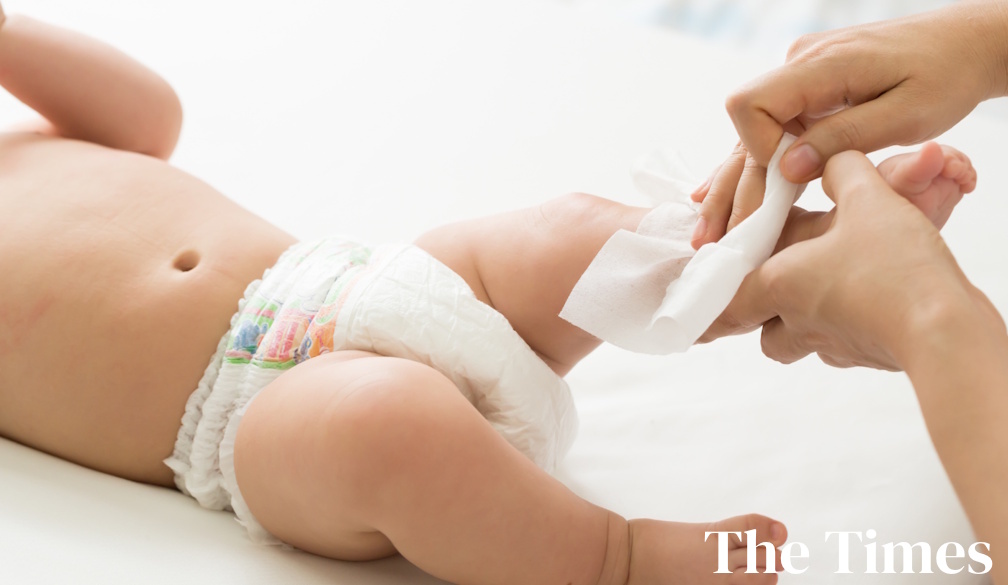
Parents rely on baby wipes every day. Whether changing nappies, cleaning little hands or wiping messy faces, the products have become an essential item in Australian homes.
Recent overseas recalls, however, have prompted an important question.
Should Australian consumers be worried?
What are baby wipes?
Baby wipes are soft disposable cloths, usually made from a blend of cellulose, cotton, bamboo fibres or synthetic non-woven materials. They are soaked in a carefully formulated cleansing solution containing purified water, moisturisers, skin conditioners and preservatives designed to keep the product free from harmful bacteria during its shelf life.
Most are intended for external use only and are manufactured under strict hygiene and quality-control standards.
Why are bacteria a concern?
Like any product that contains water, wipes can become contaminated if manufacturing controls fail or if packaging is damaged.
Most bacteria found in contaminated products are harmless to healthy people, but some species can cause infections in newborn babies, elderly people and those with weakened immune systems.
Recent recalls in the United States involved the detection of Burkholderia cepacia complex and Burkholderia gladioli bacteria, organisms that can cause serious infections in vulnerable people. The products were recalled as a precaution.
Which brands have been affected?
The latest major recall involves Up & Up Fragrance Free Baby Wipes and Up & Up Fresh Cucumber Scented Baby Wipes, sold through Target stores in the United States.
The affected products were voluntarily recalled after customer complaints and laboratory testing identified bacterial contamination in some batches. Consumers were advised to stop using the wipes immediately and return them for a refund.
Earlier, an Australian recall involved Bunjie Peek-A-Boo Probiotic Baby Eye Wipes because packaging may not have been properly sealed, creating a risk of mould growth rather than bacterial contamination.
Were the recalled products sold in Australia?
The current U.S. Target recall relates to products sold in the United States.
At the time of writing, there has been no nationwide Australian recall of standard baby wipes linked to the bacteria involved in the U.S. incident.
Australian consumers should nevertheless remain alert to product recalls issued by manufacturers and regulators.
What precautions should parents take?
Fortunately, there is no reason to stop using reputable baby wipes.
Parents can reduce risk by:
- Buying products from established retailers.
- Checking product packaging is sealed and undamaged.
- Avoiding wipes that appear discoloured, dry or have an unusual odour.
- Following any recall notices affecting products they have purchased.
- Using wipes only as directed and avoiding contact with the eyes unless the product is specifically designed for that purpose.
- Seeking medical advice if skin irritation or signs of infection develop after use.
The Bottom Line
The latest overseas recall serves as a reminder that even everyday household products require rigorous manufacturing standards.
For Australian families, there is no evidence that the bacterial contamination identified in recalled U.S. baby wipes represents a widespread local problem. Nevertheless, product recalls demonstrate why quality control, careful manufacturing and prompt consumer alerts remain an important part of protecting public health.
For most Australians, baby wipes purchased through reputable retailers remain a safe and convenient product when used as directed.