Detect Hidden Water Leaks Fast: Don’t Ignore Hot Water System Leaks
- Written by: The Times
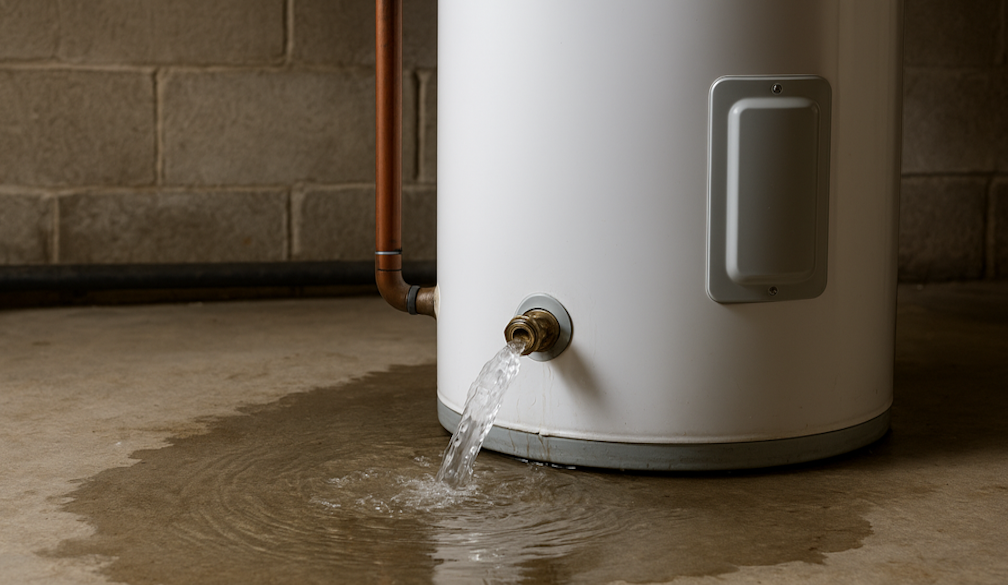
Detecting water leaks early is crucial for preventing extensive damage to your home. Among the various parts of a home’s plumbing system, hot water systems are particularly susceptible to leaks. These leaks, although sometimes minor, can lead to major issues if left unchecked over time. Understanding the nature and impact of water leaks can help homeowners take preventative measures. After all, a neglected leak doesn't just waste water—it can cause considerable damage and result in hefty expenses. Regularly checking and maintaining your hot water system can save you from unexpected surprises.
Common Signs of Hidden Water Leaks
Water leaks aren't always immediately visible, but there are several common signs that can indicate a problem. One of the first red flags could be an unusually high water bill. If you're consistently being billed for usage that doesn't match your actual water consumption, it might be wise to investigate further.
Visible signs can also provide clues about potential leaks. Damp spots, mould, or mildew appearing on walls and floors often suggest moisture where it shouldn't be. Around the hot water system, unexplained puddles may appear, signalling a possible leak. If you notice a drop in water pressure in your taps or showers, it might also indicate that water is escaping somewhere in the system.
The Dangers of Ignored Hot Water System Leaks
Ignoring a hot water system leak can have serious consequences. One immediate danger is the effect on the system itself. Corrosion and rust may develop, leading to further deterioration and potentially causing the entire system to fail.
Homeowners should also be concerned about the structural integrity of their property. Water leaks can cause structural damage, including the collapse of flooring or compromising the foundation. Moreover, there's an increased risk of electric shock or fire hazards when water interacts with electrical components.
Financially, the costs can quickly add up—not only for the lost water but also for the repairs. Structural repairs can be expensive, as can replacing a failed hot water system.
Effective Methods to Detect Water Leaks
Fortunately, there are several effective methods for detecting water leaks. Keeping a close eye on your water meter can help you monitor usage and spot inconsistencies that may indicate a leak. Another simple technique is to listen for the sound of running water, especially when all fixtures should be off.
For a more thorough assessment, hiring a professional plumber can be a wise choice. Experts have access to advanced equipment for comprehensive leak detection, ensuring even hidden leaks are identified. Additionally, modern technology offers solutions like leak detection sensors, which can alert you to issues as soon as they arise.
DIY Tips to Prevent Hot Water System Leaks
While professional intervention is sometimes necessary, there are also measures you can take yourself to prevent leaks. Regular inspection and maintenance of water heaters and piping are critical. Checking and tightening fittings and valves frequently can help avoid leaks due to loose connections.
Flushing your water heater to remove sediment build-up is another effective practice. Over time, sediment can accumulate and cause blockages or corrosion, leading to leaks. Installing expansion tanks and pressure regulators can further protect your system by managing pressure levels and accommodating thermal expansion in your water heater.
When to Call a Professional Plumber
There are certain signs that shouldn't be ignored and require immediate professional attention. A persistent drop in water pressure, significant damp spots, or any sign of structural damage are indicators that it's time to call in an expert.
While DIY repairs can handle minor issues, understanding their limitations is crucial. Complex problems often require specific skills and tools that professionals possess. Delaying professional repair can exacerbate the issue, leading to higher repair costs and more extensive damage.
When choosing a plumber for leak detection and repairs, consider their reputation and experience, ensuring they have the skills necessary to handle your specific needs.