Benefits of Tree Pruning for a Thriving Australian Garden
- Written by: The Times
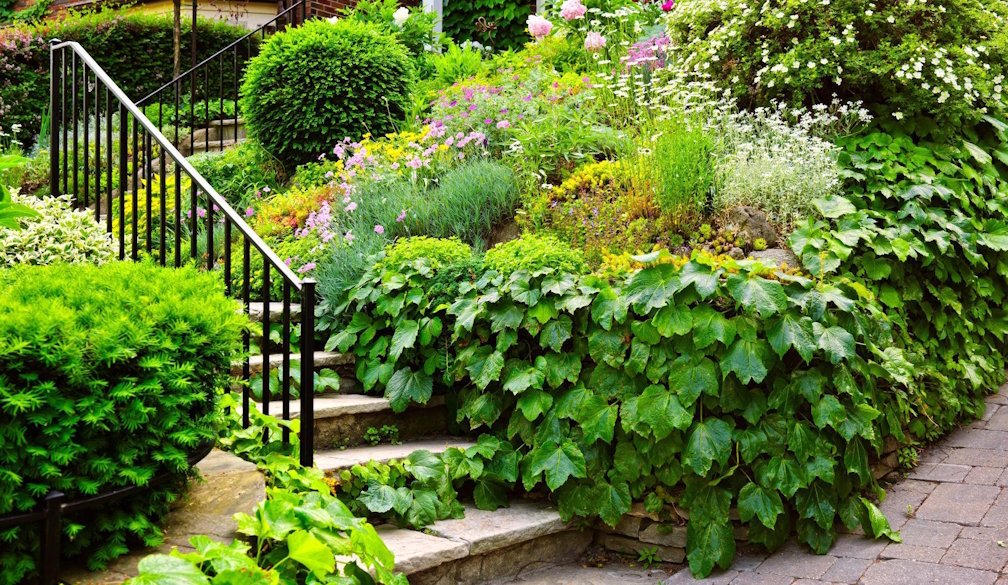
Tree pruning is an essential aspect of garden maintenance that often doesn't get the attention it deserves. It's a practice that involves the selective removal of certain parts of a tree—such as branches, buds, or roots—to promote healthier and more aesthetically pleasing plants. In the unique setting of Australian gardens, characterised by diverse climates and native vegetation, tree pruning gains even more significance. With a growing number of Australians taking an interest in sustainable gardening practices, understanding how tree pruning can enhance garden health and aesthetics becomes increasingly relevant. This article delves into how tree pruning can transform and support a thriving Australian garden.
Understanding Tree Pruning
Tree pruning might seem similar to other gardening tasks like trimming or shaping, but it deserves its distinct place because of its comprehensive impact on a tree's wellbeing. While trimming is about cutting back overgrown branches, and shaping focuses on crafting a particular form, pruning is about nurturing better growth and vitality.
In Australia, timing is everything when it comes to pruning. The vast array of climates, from tropical regions to temperate zones, dictate when its best to pick up the secateurs. Generally, the dormant months of winter are ideal for pruning many trees, allowing them to recover once spring arrives. However, in tropical regions, the dry season often presents the perfect window.
Basic techniques, such as thinning, raising, and reducing, revolve around knowing what to cut and where. Essential tools include pruning shears, loppers, pruning saws, and potentially a pole pruner for those hard-to-reach limbs. In Australia, gardens often host a variety of trees—from natives like eucalyptus and acacias to imported species such as ficus and magnolias. Each has its specific pruning needs, which is why it pays to know your garden's occupants well.
Health Benefits of Pruning for Trees
Pruning serves as a preventive measure against diseases by removing diseased, infested, or dead branches. This helps stop the spread of pathogens and pests that could wreak havoc on the tree and the surrounding garden. By thinning the tree’s canopy, pruning also improves air circulation and sunlight exposure, essential factors in reducing fungal infections and promoting photosynthesis.
Moreover, strategic pruning encourages a robust root system since the tree can focus its energy more effectively, contributing to overall plant strength and health. Australian trees like the bottlebrush or lemon-scented gum are prime examples of species that flourish with careful pruning, contributing to a healthier and more resistant tree.
Enhancing Aesthetics Through Pruning
A healthy garden is a beautiful garden. Pruning helps shape trees to fit seamlessly into the overall design of a space, highlighting natural form while keeping growth under control. It also reduces risks, ensuring that heavy branches don’t hang over roofs, fences, or walkways—an important safety factor during Australia’s stormy seasons.
For flowering trees, pruning can dramatically improve displays. Jacarandas and crepe myrtles, for instance, bloom more profusely when pruned at the right time, rewarding gardeners with spectacular bursts of colour. Beyond function, pruning can even be creative—whether through artistic topiary or simply sculpting a natural, pleasing shape.
Pruning for Fruit Production
For fruit-bearing trees, pruning is a tool for boosting productivity and fruit quality. In Australian gardens, where climate conditions can range widely, knowing the timing and methods for pruning different fruit trees is critical. For instance, citrus trees benefit from pruning in late winter before the spring growth spurt, while stone fruit trees often require attention after flowering.
Pruning helps remove dead or non-productive limbs, allowing the tree to utilise its resources more efficiently. Strategies like maintaining an open centre or vase shape increase light penetration and air circulation, vital for fruit development. The result? Bigger, better-quality fruits that are easier to pick and enjoy—a win for every home gardener.
Environmental and Ecological Advantages of Pruning
Beyond health and aesthetics, pruning can be a boon for the environment. By enhancing a tree's structure and vitality, pruning helps in water conservation, an essential consideration given Australia's drought-prone conditions. Healthy trees require less water to thrive, aligning with sustainable gardening practices.
Additionally, pruned trees contribute to ecological balance by offering habitats for birds and insects, supporting biodiversity. Sustainable pruning also involves using cuttings and trimmings as mulch or habitat supports, minimising waste and enhancing garden health.
Conclusion
Tree pruning offers more than a tidy garden—it’s about creating healthier, safer, and more sustainable green spaces. From preventing disease to encouraging fruit production and enhancing biodiversity, the benefits are clear.
While basic pruning can be handled by most home gardeners, some tasks—particularly those involving large or mature trees—are best left to experts. And while there is a cost of professional tree pruning, it is an investment that pays off in the form of stronger trees, improved safety, and a more visually striking garden.
For Australians committed to sustainable and thriving gardens, pruning is not just an occasional chore but a vital practice that ensures long-term growth and beauty. Take a closer look at your trees this season—your garden will thank you for it.