


The Do’s and Don’ts of Pool Heating: A Practical Guide for Aussie Pool Owners
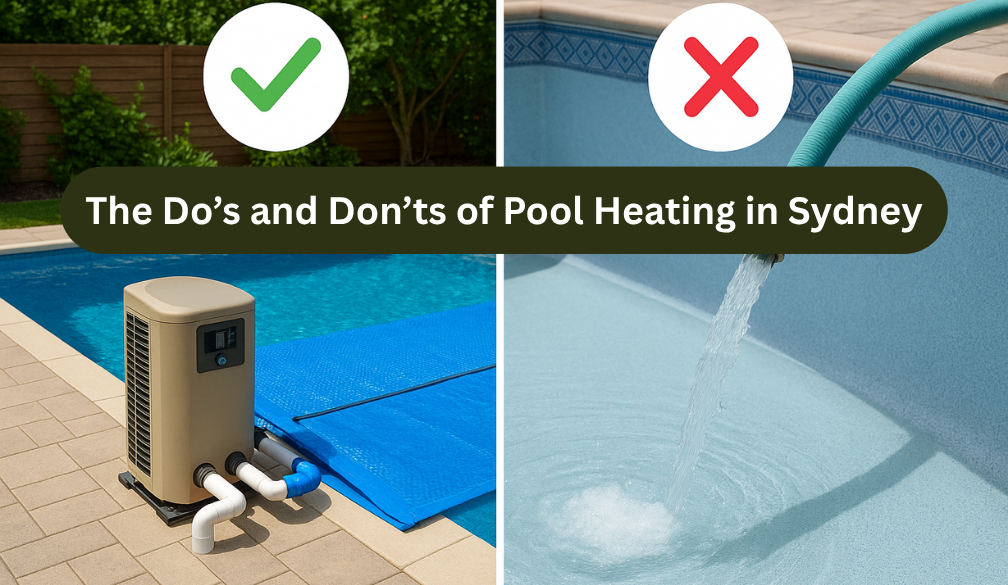
Whether you want to extend your swimming season or enjoy comfortable dips all year round, heating your pool is a game-changer. But as with any home investment, there’s a right and wrong way to do it. Choosing the right system, maintaining it properly, and avoiding common mistakes can save you time, money, and stress down the track.
Here’s your guide to the do’s and don’ts of pool heating, tailored for Australian pool owners.
Do’s: Best Practices for Pool Heating
1. Choose the Right Heating System
Not all heating systems are created equal. In warmer climates like Queensland or Northern NSW, solar pool heating is a cost-effective and eco-friendly option. Heat pumps are great for consistent temperatures, even in cooler months, while gas heaters work well for rapid heating — ideal for spas or occasional use.
Factor in your climate, pool size, usage patterns and budget before investing.
2. Maintain Your System Regularly
Just like your car, pool heating systems need regular TLC. Make it a habit to:
- Clean filter baskets and skimmers
- Remove debris from heating panels or units
- Check for leaks or blockages
- Schedule professional servicing annually
Neglecting maintenance can reduce efficiency or even shorten your system’s lifespan.
3. Use a Pool Cover
A pool cover does more than keep leaves out — it significantly reduces heat loss from evaporation, especially overnight. Thermal covers or solar blankets are ideal for retaining heat, while also cutting down on chemical use and cleaning.
4. Keep Water Levels and Circulation in Check
Your water level should always be above the skimmer to ensure proper flow. Low water levels can damage pumps and heaters. Also, make sure your filter system is running efficiently to support even pool heating throughout the pool.
5. Balance Your Water Chemistry
Unbalanced water can wreak havoc on your heater. Keep pH, alkalinity, and calcium hardness within recommended levels to avoid scaling or corrosion. Regular testing (at least weekly during peak use) can prevent costly damage.
6. Cycle the Heater Regularly — Even in Winter
Leaving your heater idle for long periods can lead to stagnant water and bacteria build-up. Run it occasionally during the off-season to keep it in working order. Heat pumps especially benefit from periodic cycling and may require a reverse cycle for maintenance purposes.
7. Clean, Brush & Shock Your Pool as Needed
Weekly brushing helps prevent calcium and algae build-up — both of which can interfere with heater function. Vacuuming and regular shock treatments also reduce strain on the system, helping it run more efficiently.
8. Prepare for Seasonal Transitions
Don’t wait for the first hot day to switch on the heater. Test your system ahead of time in case repairs are needed. Likewise, when shutting it down for winter, ensure everything is clean, dry, and properly stored.
Don’ts: Common Pitfalls to Avoid
1. Don’t Drain Your Pool Completely
Draining a pool might seem like a simple way to reset, but it can do serious damage. Empty pools are vulnerable to structural problems, especially in fibreglass or concrete shells, and can even shift from the ground pressure. Stick to partial drains and always seek professional advice.
2. Don’t Add Chemicals Directly or Carelessly
Never add shock or other chemicals straight into the pool or skimmer. Undiluted chemicals can bleach liners, damage heaters, or create dangerous reactions — particularly when combined with chlorinators. Always add chemicals to a bucket of water first, not the other way around.
3. Don’t Ignore pH and Alkalinity Levels
Low pH might give you sparkling water, but it’s corrosive — not just to swimmers, but to pool equipment as well. Heaters, pumps, and filters are all at risk when water is too acidic. Test your water regularly and adjust carefully.
4. Don’t Run Heaters Without Proper Flow
If your filter is clogged or your valves are closed, running the heater can damage its internal components. Always ensure proper circulation before switching it on.
5. Don’t Delay Repairs or Maintenance
Strange noises? Unusual smells? Leaks? Don’t ignore them. Small issues often become big ones if left unchecked. Get a licensed technician to inspect the system at the first sign of trouble.
6. Don’t Forget Professional Support
DIY maintenance is great, but some tasks are best left to experts. Annual servicing, major repairs, or even choosing the right heating setup should involve professional advice — especially when you’re investing thousands into your pool system.
Bonus Tips to Boost Heating Efficiency
- Install windbreaks around the pool to reduce heat loss
- Use a timer to run the heater during off-peak electricity hours
- Combine solar with heat pumps for hybrid efficiency
- Keep nearby vegetation trimmed to prevent shading on solar panels
Final Thoughts
Pool heating is an investment in comfort, convenience and lifestyle. But to get the most out of it, you need to play it smart. Stick to the do’s, avoid the don’ts, and always stay on top of your maintenance routine.
Looking for expert help with installation or servicing? Reach out to a trusted pool heating professional in your area — and start swimming smarter.










