Why are young people more likely to cast informal votes? It’s not because they’re immature
- Written by: Jean-Nicolas Bordeleau, Research Fellow, Jeff Bleich Centre for Democracy and Disruptive Technologies, Flinders University
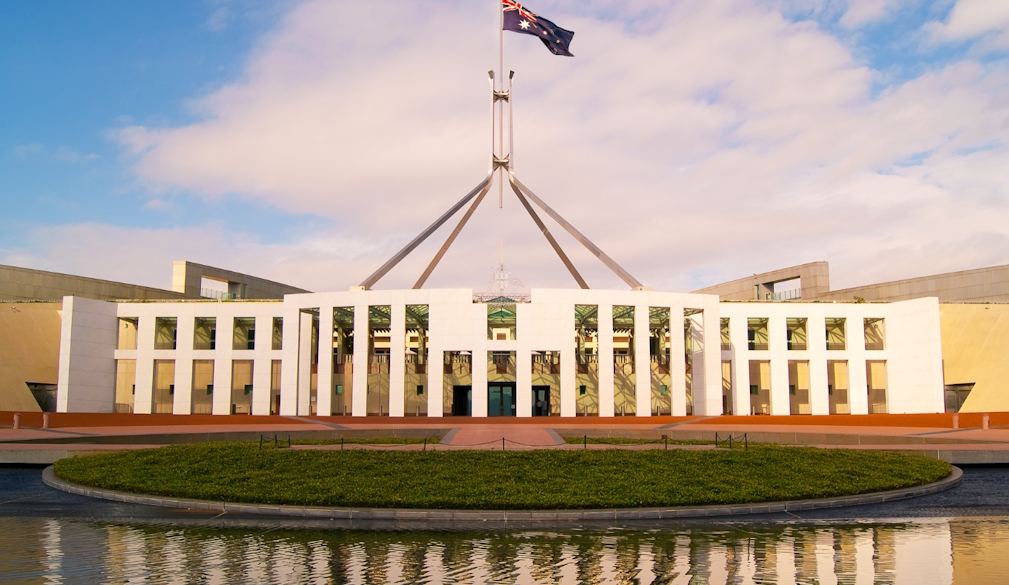
In Australia, where turning up to vote is mandatory, deliberately spoiling your ballot is one of the only legal ways to protest or opt out.
This practice of “intentional informal voting” is an increasingly significant issue. The number of informal ballots in federal elections has more than doubled[1] in the past few decades, rising from 2.5% in 1977 to 5.6% in 2025[2].
These “wasted” votes aren’t just a side note. They can have real consequences. Our analysis[3] shows in nearly two-thirds of Australian federal elections since 1987, the number of informal ballots was greater than the margin of victory.
This means the outcome technically could have been different in eight of the past 13 federal elections if those votes had been cast formally.
A common assumption, supported by some previous research[4], is that younger voters are the main culprits, spoiling their ballots as an act of youthful protest. But is it really that simple?
Our new research[5] challenges this stereotype. Using an original large survey of more than 25,000 voters in Victoria, we found a more nuanced story.
While young voters tend to intentionally cast informal votes in higher proportions than older voters, it’s not their age that directly predicts whether they will spoil their ballot, but rather their grievances towards democracy.
Dissatisfied with democracy
Our survey[6], conducted in partnership with the Victorian Electoral Commission[7] after the 2022 state election, specifically asked voters if they knew they had marked their ballot incorrectly. This allowed us to focus on deliberate, intentional acts of informality.
When we crunched the numbers, we found only a very small and statistically insignificant relationship between age and the likelihood of casting an informal vote on purpose. In other words, age alone does not explain intentional informal voting and, therefore, young voters are not voting informally because they are young.
Instead, the real drivers included three specific attitudes towards democracy:
-
low interest in politics
-
dissatisfaction with how democracy is working
-
dissatisfaction with the choice of candidates.
What we see here is a clear example of democratic disconnect[8] among young voters. This is caused by either a lack of interest in politics generally or particular grievances about the way their democracy is representing them.
In fact, our analysis revealed the link between age and informal voting is fully explained by these three factors. Younger voters are marginally more likely than other voters to spoil their ballots, but it is not because of their youth or immaturity.
Rather, it’s because they’re more likely to be uninterested in politics, dissatisfied with the democratic process and unhappy with the candidates on offer.
This is a trend which is particularly salient among young people. We don’t see similar grievances or disaffection among older age groups.
What can be done?
These findings have important policy implications. If we want to reduce the rate of informal voting and improve the health of Australian democracy, simply blaming young people is not the answer. The focus must shift to addressing the underlying causes of democratic disconnect.
Our research points to several potential solutions. Boosting political literacy, particularly by enhancing civics education[9], could help mitigate feelings of disenchantment and low levels of interest among youth.
Read more: Civics education is at an all-time low in Australia. Mapping our 'civic journeys' may help[10]
There are some current major initiatives around the country in this space that have potential. These include the now annual South Australian Active Citizenship Convention[11]. This initiative seeks to promote civics and democracy and is organised by the SA Department for Education[12] in collaboration with the Jeff Bleich Centre[13] at Flinders University.
Fostering genuine participation is another important piece of the puzzle. We need to give citizens a greater stake in the system.
Mechanisms like citizen assemblies and participatory budgeting[14] have been shown to empower citizens and enhance their sense of political efficacy.
These initiatives bring citizens directly to the table. Deliberative assemblies[15], for instance, bring together groups of citizens to learn about, discuss and make recommendations on specific policies.

Tailoring these initiatives in ways to promote active participation by young voters could go a long way in creating a sense of belonging and also a sense of agency among youth.
Lowering the voting age[17] has also been mooted by experts as one way to get young people engaged earlier and in a more enduring way.
Finally, demanding more from parties and candidates will also improve the connection between young voters and the democratic process. Political parties must do more to offer policies tailored to the needs and interests of a young electorate.
When young voters don’t feel represented[18], their dissatisfaction grows and spoiling their ballot becomes a more attractive option.
Ultimately, requiring people to vote does not necessarily guarantee all citizens will be engaged. For those who feel alienated or unrepresented, spoiling their ballot is a rational act of protest.
To reduce this, we must stop pointing the finger at a specific generation. Instead, we need to start building a more responsive and inclusive political system that earns the trust of all Australians.
References
- ^ more than doubled (www.aec.gov.au)
- ^ 5.6% in 2025 (results.aec.gov.au)
- ^ Our analysis (doi.org)
- ^ previous research (www.abc.net.au)
- ^ new research (doi.org)
- ^ survey (doi.org)
- ^ Victorian Electoral Commission (www.vec.vic.gov.au)
- ^ democratic disconnect (www.repository.cam.ac.uk)
- ^ enhancing civics education (doi.org)
- ^ Civics education is at an all-time low in Australia. Mapping our 'civic journeys' may help (theconversation.com)
- ^ Active Citizenship Convention (www.education.sa.gov.au)
- ^ SA Department for Education (www.education.sa.gov.au)
- ^ Jeff Bleich Centre (www.flinders.edu.au)
- ^ citizen assemblies and participatory budgeting (oxfordre.com)
- ^ Deliberative assemblies (doi.org)
- ^ Bianca De Marchi/AAP (photos.aap.com.au)
- ^ Lowering the voting age (theconversation.com)
- ^ young voters don’t feel represented (link.springer.com)