Can Australian sport ever be environmentally sustainable?
- Written by: Camilla Brockett, Professor of Sport Systems Development, Victoria University
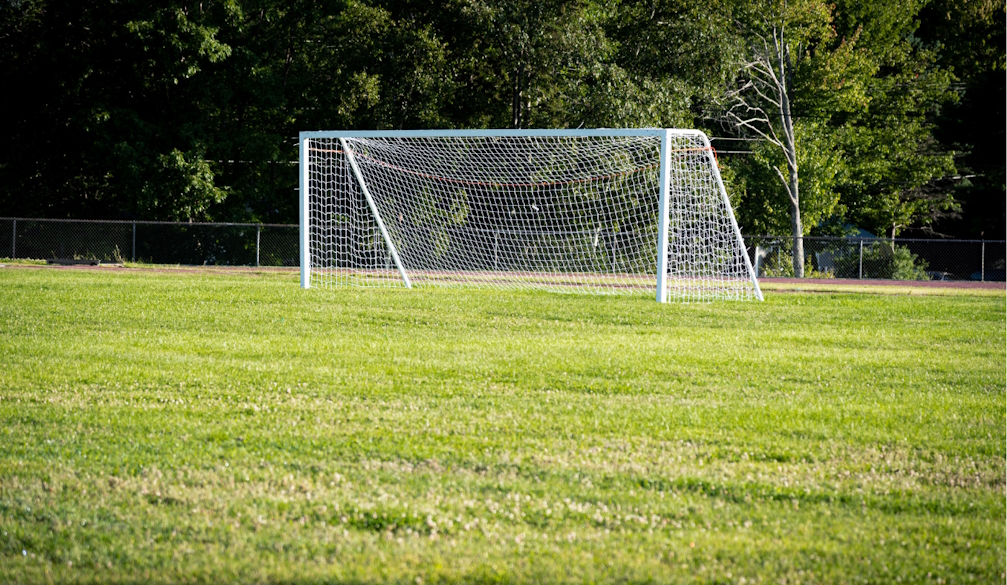
Sport is one of the most climate-sensitive aspects of Australian life, yet still sits largely outside the national conversation on climate exposure.
Sport attracts around 14 million participants[1] annually in Australia. According to national data[2] from July 2023 to December 2024:
-
85% of adult Australians (aged 15+) participated in sport or physical activity at least once in the previous 12 months
-
11 million (51%) adults took part in a sport-related activity
-
3 million children (64%) aged 0–14 participated in an organised out-of-school sport-related activity at least once in the previous 12 months
-
More than 2.8 million adults volunteer in sport[3].
But as our days get hotter and playing conditions get harsher, an increasingly important question emerges: can Australian sport keep pace with our changing climate and become truly sustainable?
Climate is changing the way we play
Community members know the story well: scorching grounds, cancelled matches, smoke-affected sessions and volunteers scrambling to interpret new safety protocols.
When heatwaves, smoke, floods or storms hit, training stops and rounds are washed out. The impacts are immediate: reduced physical activity, diminished social connection, and fewer wellbeing benefits.
Clubs are feeling it too. The Australian Sports Foundation reports two-thirds of community clubs are struggling[4] as costs rise and weather-related disruptions increase.
Similarly, risks to athlete health and performance are major concerns for many professional competitions – including the Australian Open tennis tournament which has faced match delays from extreme heat, rain[5] and bushfire smoke[6] in recent years, while the 2025 Australian Open golf tournament had to manage the course and player expectations[7] after torrential rain impacted the greens.
Emissions and sport
Sport creates emissions in a few different ways.
There are direct emissions[8] such as getting to games, running training facilities and hosting competitions and events.
Then there are the indirect emissions from the industries sport depends on, including air travel, electricity and even producing sporting gear[9].
Together, these pressures point to the need for strong leadership from government, backed by coordinated action from peak bodies and local clubs.
Some action but major gaps remain
In September 2025 the federal government released Australia’s first National Climate Risk Assessment[10], mapping priority risks across housing, infrastructure and health.
Sport barely features.
This omission matters. Sport is where climate impacts become tangible for many Australians: cancelled junior cricket matches, smoky netball sessions cut short, a “no play” sign on a local oval after overnight storms.
Recognising sport as community infrastructure in future risk assessments — or commissioning a sport-specific climate risk review — would help ensure funding and preparedness efforts land where they’re most needed.
The government also launched Game On[11], a $50 million grant scheme to help up to 500 clubs install solar, batteries, shade and drainage.
But infrastructure alone won’t make sport climate-ready. When a grant ends or a key volunteer moves on, projects can lose momentum.
New research from Victoria University[12], due to be published in early 2026, identified many sporting organisations still lack governance, leadership and data systems to sustain environmental initiatives.
This creates inconsistent progress, with some organisations advancing quickly while others lag.
Genuine sport climate leadership
Here are four ways sport organisations can lead the way.
1. Link funding to on-the-ground outcomes
Public investment should be tied to simple measures that matter to communities, such as:
- fewer heat- or rain-related cancellations
- reduced energy use
- faster recovery of participation after disruptions.
For example, if a club saves on power bills, direct a portion of those savings to participation, maintenance or safety equipment. Create a cycle where today’s savings support tomorrow’s play.
2. Invest in people, not just panels
Sustainability requires capability. Boards, executives and councils need practical training in risk planning and environmental management. Every club or association should have someone responsible. Include basic climate and energy indicators in annual reports so committees and members can track progress.
3. Build a shared evidence base
A sport-specific climate risk assessment would identify which facilities face the greatest heat, flood or smoke exposure. With this map, governments and sporting bodies could set priorities and roll out simple, uniform toolkits for clubs, such as heat policies, smoke protocols and purchasing guides.
4. Make partnerships count
Public funding for sustainability should include expectations for reinvesting savings and co-funding with business or community partners. Models such as Cricket for Climate[13] work because they track savings and channel them back into participation and safety.
These steps can protect Australians’ ability to play sport safely and regularly.
They also draw on one of sport’s greatest strengths - its reach. Because sport connects with so many people, it’s uniquely placed to normalise[14] practical climate action whether that’s better shade and scheduling, smarter energy use or clearer safety triggers for heat and smoke.
Can Australian sport be truly sustainable?
Not perfectly. Climate change is already reshaping how Australians play and watch sport. Extreme weather is becoming more frequent[15] and decisions about heat, storms and air quality are now routine parts of sport administration.
But sustainability isn’t about perfection - it’s about building resilience. And resilience depends on good governance.
If we can embed environmental accountability, leadership and data-informed decision-making into sports’ day-to-day operations, the benefits will endure for generations to come.
References
- ^ 14 million participants (asf.org.au)
- ^ national data (ascwrstorageprod001.ausport.gov.au)
- ^ 2.8 million adults volunteer in sport (app.powerbi.com)
- ^ two-thirds of community clubs are struggling (asf.org.au)
- ^ extreme heat, rain (www.news.com.au)
- ^ bushfire smoke (www.theguardian.com)
- ^ manage the course and player expectations (www.smh.com.au)
- ^ direct emissions (doi.org)
- ^ even producing sporting gear (doi.org)
- ^ National Climate Risk Assessment (www.acs.gov.au)
- ^ Game On (www.sport.qld.gov.au)
- ^ Victoria University (www.vu.edu.au)
- ^ Cricket for Climate (www.cricketforclimate.org)
- ^ uniquely placed to normalise (doi.org)
- ^ is becoming more frequent (pursuit.unimelb.edu.au)
Read more https://theconversation.com/can-australian-sport-ever-be-environmentally-sustainable-267545