Gold medals, personal sacrifices: Does Australia do enough for its Olympians
- Written by: The Times
Every Olympic Games brings familiar scenes. Australian athletes stand on podiums, the national anthem plays, and the country celebrates another sporting achievement.
What is less visible is the cost of reaching the Olympic Games in the first place.
For many athletes, the road to the Olympics is paved with early morning training sessions, years of travel, lost income and significant personal expense. While Australia provides government support and high-performance funding, many athletes still rely on sponsorships, family support, fundraising and part-time employment to continue competing at the highest level.
The result is a question worth asking: does Australia do enough to support the athletes who represent the nation on the world stage?
The cost of chasing Olympic dreams
The financial commitment varies dramatically between sports.
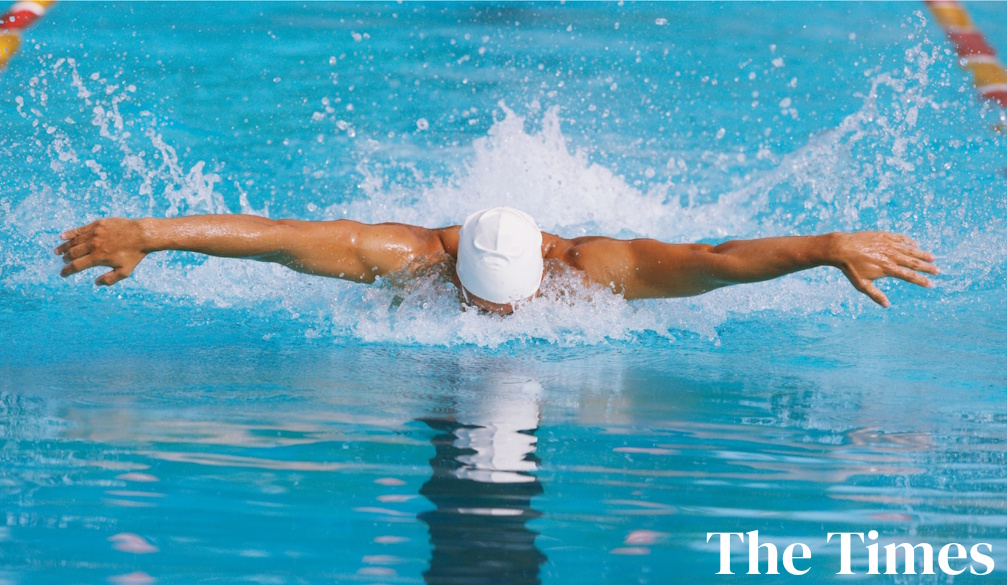
A swimmer may require coaching, pool access, gym programs, nutrition advice, physiotherapy, sports science support and regular interstate or international competition.
Cyclists often face even greater expenses. Elite bicycles can cost many thousands of dollars, while travel, accommodation, race entry fees and equipment maintenance add significantly to annual budgets.
Track and field athletes must regularly travel to national championships and overseas meets to gain experience and rankings. Many spend years balancing training with work or study.
At the upper end of the scale are sports such as sailing, equestrian events and some cycling disciplines, where equipment alone can cost tens or even hundreds of thousands of dollars.
The public sees the athlete crossing the finish line. Few see the years of invoices that came beforehand.
Government support
Australia provides substantial funding through the Australian Sports Commission and the Australian Institute of Sport.
Funding supports coaching, sports science, medical services, training programs and athlete development pathways.
Following Australia's successful bids to host major international sporting events, including the Brisbane 2032 Olympic Games, government investment in elite sport has increased substantially.
Yet support is not uniform across all sports. Athletes in high-profile disciplines often have greater access to funding and sponsorship than competitors in less visible events.
Can Olympians accept sponsorships?
Yes.
Modern Olympic athletes can generally accept sponsorships and commercial endorsements, subject to Olympic and sporting body regulations.
For many competitors, sponsorship is essential rather than optional.
A local business sponsorship, equipment supplier arrangement or ambassador role can help cover travel expenses, accommodation costs and training requirements that might otherwise be unaffordable.
However, sponsorship opportunities are often concentrated among athletes who already enjoy media exposure. Talented competitors in smaller sports can struggle to attract commercial backing despite competing at world-class levels.
The hidden burden on families
Behind many Australian Olympians stands a family that has invested years of time and money.
Parents frequently drive thousands of kilometres to competitions, pay for equipment, fund travel and provide accommodation support during formative years.
In many cases, Olympic campaigns become family projects rather than individual pursuits.
The emotional and financial commitment can be enormous, particularly when success is never guaranteed.
Success belongs to the nation
When an Australian athlete wins a medal, the achievement belongs not only to the competitor but also to coaches, volunteers, clubs, schools, families and taxpayers who helped make it possible.
Australia consistently performs above its weight internationally. With a population far smaller than many sporting powers, the nation regularly produces world-class results.
That success suggests Australia's sporting system works.
The question is whether it works well enough.
As Australia looks towards Brisbane 2032, policymakers face a choice. Should the nation continue expecting athletes to bridge funding gaps through personal sacrifice, or should greater support be provided to those pursuing Olympic success?
The medals are celebrated by millions.
The journey to win them is often funded by far fewer.
Australia rightly takes pride in its Olympians. The challenge for the next decade is ensuring talented athletes are not excluded from elite competition simply because the cost of participation becomes too great.