New data reveals Aussie’s spend $562 million on new school supplies every year
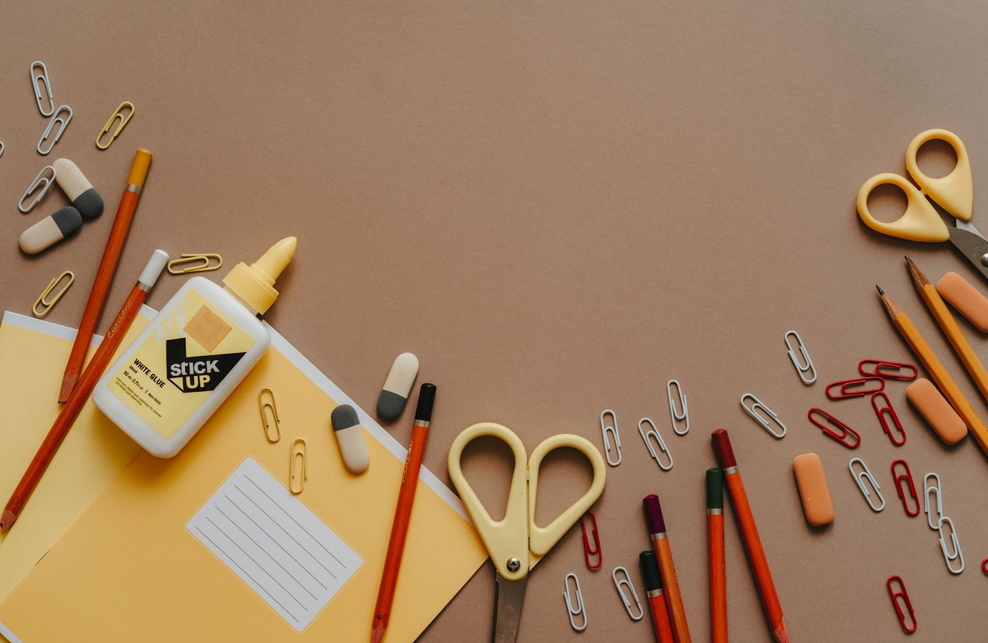
Australian parents spend a staggering $562 million on new school supplies every year with nearly 10% of families admitting to throwing away old school supplies that were still in a good condition, according to new research by leading eco-retailer Flora & Fauna who is encouraging parents to consider more sustainable options this year.
The new research reveals Aussie families with children under 15(1) spend an average of $201 every year on new school supplies, with the majority of parents opting to buy new stationary (65.9%), new water bottles (61%) as well as new lunch boxes (52.8%) for their kids year on year.
“Almost 10% (9.4%) of parents admitted to throwing away old school supplies that were still in a good condition, with more NSW-based parents sending perfectly good school gear straight to landfill than any other state,” explains Julie Mathers, CEO and Founder of Flora & Fauna.The research also revealed that sustainability still isn't at the forefront of our purchasing decisions, with only 4% of parents stating that having eco-friendly properties is the key deciding factor when purchasing something for school.
However over 70% of Aussie families (70.7%) agree that they would recycle more school supplies, but the process is confusing and they simply wouldn't know how.“Australian households generate around 12.4 million tonnes of waste year on year(2), that’s equivalent to the weight of more than 400 Sydney Opera Houses(3),” says Mathers.
“Instead of buying brand new items for school every year and/or discarding the previous years’ supplies, there is a real opportunity to educate our future generation on reusing, recycling and reducing waste with just a few simple steps the whole family can do as they prepare to go back to school.”
Providing recommendations on how to reduce ‘back to school’ waste, Mathers explains, “start by taking stock of what you have at home already and then if you can, reuse those things first; like partially-filled notebooks, pens and pencils that are still working, and old water bottles and lunch boxes that just need a good clean."“When purchasing new school supplies, our research reveals parents are more concerned with whether their child will like the look of the product (11.2%) than if it has eco-friendly or sustainable properties (4.4%),”says Mathers.
“If you do need to buy something new, look for durable and reusable items made from recycled, organic, natural and non-toxic materials. Look for items with minimal plastic packaging or even consider buying preloved products. If you do have to throw something away, make sure to recycle whenever possible,” states Mathers.“Our research shows that the majority of parents are confused about recycling. Some general rules for recycling at home is that it should be clean, dry, empty, not contain any liquids and if it’s smaller than your fist, it’s classed as general rubbish. All paper can be recycled even if the kids have written all over it and look for soft plastic collection boxes at supermarkets for lunch box waste.”