Sydney House Prices Face a New Reality
- Written by: The Times
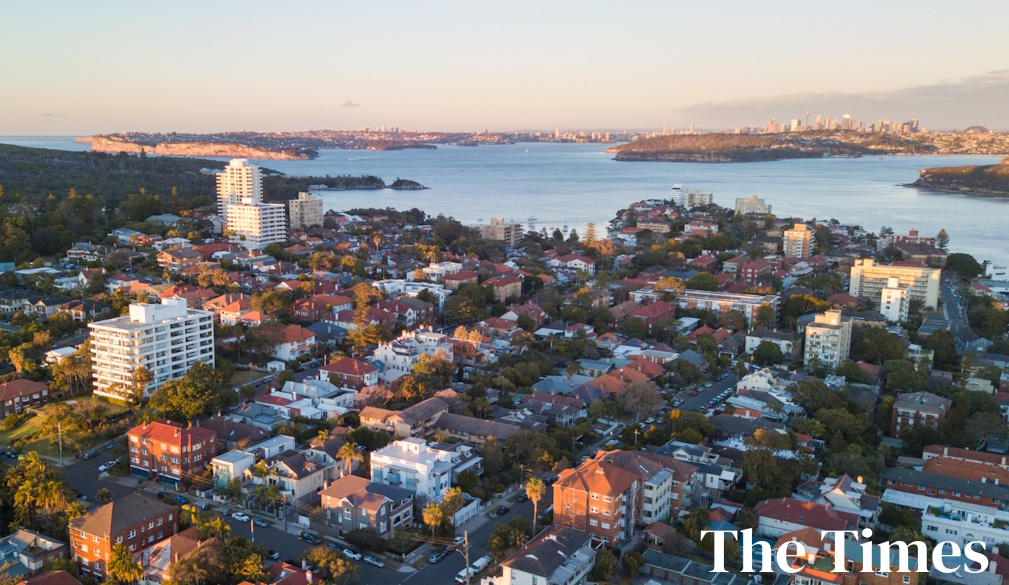
Sydney's housing market has entered a new phase.
For years the story was almost always the same. Prices climbed, demand remained strong and buyers feared that waiting another six months would simply make homes even more expensive.
Today the market is asking different questions.
Interest rates remain well above the emergency lows seen only a few years ago. Buyers are more cautious, investors are reassessing their options and governments continue to debate housing affordability, taxation and migration.
While Sydney remains one of the world's most desirable cities, the forces influencing its property market are becoming increasingly complex.
Interest rates still matter
Every movement in interest rates changes how much Australians can borrow.
Higher repayments reduce borrowing capacity, meaning many prospective buyers simply cannot offer what they could several years ago.
For sellers, that can mean fewer bidders and longer selling campaigns.
For buyers, it may finally provide an opportunity to negotiate rather than compete frantically.
Demand remains strong
Despite affordability challenges, Sydney continues to attract new residents from interstate and overseas.
Population growth, limited land availability and the time required to build new housing continue to support long-term demand.
That imbalance between supply and demand remains one of the strongest arguments for continued resilience in the Sydney market.
Investors are weighing their options
Residential property has long been regarded as Australia's favourite investment.
However, today's investors have more to consider than ever before.
Proposals to alter capital gains tax concessions and other investment settings have encouraged some investors to pause before committing to another property purchase.
At the same time, Australia's share market offers another avenue for wealth creation.
Many established companies continue to pay attractive fully franked dividends while providing exposure to long-term capital growth.
Unlike an investment property, shares require no maintenance, tenants or ongoing repair costs.
The decision is no longer automatic.
Many investors are comparing property and equities side by side.
Politics is entering the housing debate
Housing affordability has become one of Australia's defining political issues.
The growing popularity of One Nation has renewed discussion about whether Australian housing policy should place greater emphasis on providing homes for Australian citizens and permanent residents before encouraging additional population growth through immigration.
Supporters argue that easing demand would improve affordability.
Others maintain that Australia's real challenge is building enough homes, regardless of migration levels.
Whatever view Australians hold, housing is likely to remain one of the major issues at future elections.
Some suburbs are adjusting
Sydney is not one property market.
Prestige waterfront suburbs may perform very differently from outer suburban growth corridors or apartment markets.
Some districts continue to record strong buyer demand, while others have experienced softer prices as borrowing costs and affordability pressures influence purchasing decisions.
This variation highlights the importance of local conditions rather than broad assumptions about the entire city.
Watching the auction rooms
Auction clearance rates remain one of the best indicators of market confidence.
Strong clearance rates generally suggest buyers are willing to compete.
Lower clearance rates can indicate greater caution, increased negotiation and a more balanced market between buyers and sellers.
For many property professionals, the auction room often provides the earliest indication of changing sentiment.
The Times View
Sydney property has not lost its appeal.
It remains one of Australia's most sought-after markets and continues to benefit from a growing population, international reputation and limited land supply.
But buyers are becoming more selective, investors are asking harder questions and sellers are discovering that achieving yesterday's price may require more patience.
The next chapter of Sydney's property market is unlikely to be driven by emotion alone.
Interest rates, housing supply, taxation policy, migration settings and consumer confidence will all play a role in determining where Australia's largest property market heads next.